When a Flue Goes into Reverse: What It Means and What to Do
A wood-burning stove depends on more than a good supply of dry logs. It also needs a reliable chimney draught to carry smoke and combustion gases safely out of the home. Most of the time, the process happens naturally. Warm gases rise through the flue, creating a gentle pull that draws fresh combustion air into the stove. Occasionally, however, the direction of airflow can stall or reverse. Instead of travelling upwards, air moves down the chimney and towards the appliance.
This is commonly described as a reverse flue, reverse draught or downdraught. It can make a stove difficult to light and, more importantly, may cause smoke or fumes to enter the room.
What causes a flue to go into reverse?
A reverse draught does not necessarily mean there is a fault with the stove itself. A stove, chimney, ventilation and the surrounding building all work together as one system. A change affecting any part of that system can alter the direction or strength of the airflow.
A cold column of air in the chimney
When a stove and chimney have not been used for some time, the air inside the flue can become cold and dense. This is sometimes called a cold plug. The cold air may resist the natural upward movement of warm air when the stove is first lit. In some situations, it can move downwards and push smoke back towards the room. Cold plugs are particularly associated with chimneys that have been unused for a prolonged period and with exposed twin-wall flue systems.
Differences between indoor and outdoor pressure
Air moves from areas of higher pressure towards areas of lower pressure. In a modern, well-sealed property, the pressure inside the room can sometimes be lower than the pressure outside at the top of the chimney. Extractor fans, cooker hoods, bathroom fans and some mechanical ventilation systems can make this effect stronger. The chimney may then act as an air inlet rather than an outlet. Every stove requires an adequate supply of combustion air. Never cover or obstruct permanent ventilation openings, and have a competent installer assess any recurring pressure problem.
Wind around the chimney terminal
Nearby buildings, rooflines, hills and tall trees can create complicated pressure zones around a chimney. Depending on wind direction, air may be forced down the flue or turbulence may interrupt the normal draught. A problem caused by wind may appear only during particular weather conditions or when the wind comes from a certain direction. Altering the chimney terminal, height or surrounding flue arrangement is specialist work and should always be based on a proper assessment rather than guesswork.
A restricted or unsuitable flue
Poor draught can also be caused by soot, tar, creosote, nesting material or other obstructions. An incorrectly sized flue, excessive bends, inadequate chimney height or an uninsulated external section may also make it harder for the chimney to establish and maintain an upward flow.
Smoke returning to the room, falling soot, persistent chimney smells, or a noticeable deterioration in stove performance are all reasons to stop using the appliance and arrange an inspection or sweep.
What are the warning signs?
A reverse or weak flue draught may present itself in several ways:
1. A cold current of air can be felt around the stove opening while the appliance is unlit.
2. There is a stale, sooty or smoky smell in the room.
3. Kindling is unusually difficult to ignite.
4. Flames appear weak even when the air controls are open.
5. Smoke lingers in the firebox rather than moving towards the flue.
6. Smoke escapes when the door is opened.
7. The problem becomes worse when an extractor fan is running.
A one-off cold start can be caused by temporary conditions. Repeated smoke spillage into a room, however, should never be accepted as normal stove operation.
What should you do before lighting the stove?
1. Pause before introducing fuel.
Do not build and light a full fire if there are obvious signs that air is travelling down the chimney. A large amount of fuel can quickly generate more smoke than a weak or reversed flue can remove. Make sure the firebox, air inlets, and area above the baffle are clear, and that the chimney has been swept in accordance with the appliance instructions and your chimney sweep’s advice.
2. Reduce negative pressure in the room.
Temporarily switch off cooker hoods and other extractor fans. Open a nearby external window slightly and allow the room pressure to equalise.
If opening a window noticeably improves the chimney draught, this may indicate that the appliance is not receiving enough replacement air. Do not treat the open window as a permanent repair, as it certainly is not. Ask an installer to check the ventilation provision and how the stove interacts with any mechanical extraction systems.
3. Use the correct lighting settings
Set the stove’s air controls to the position specified in the operating instructions. For example, for a stove that is fitted with our Active Baffle System (image below), the ignition setting opens a more direct route into the flue. This allows start-up heat to reach the chimney more quickly, helping the flue establish its draught sooner. Once the fire is established, the baffle should be returned to the appropriate operating position in accordance with the model instructions.
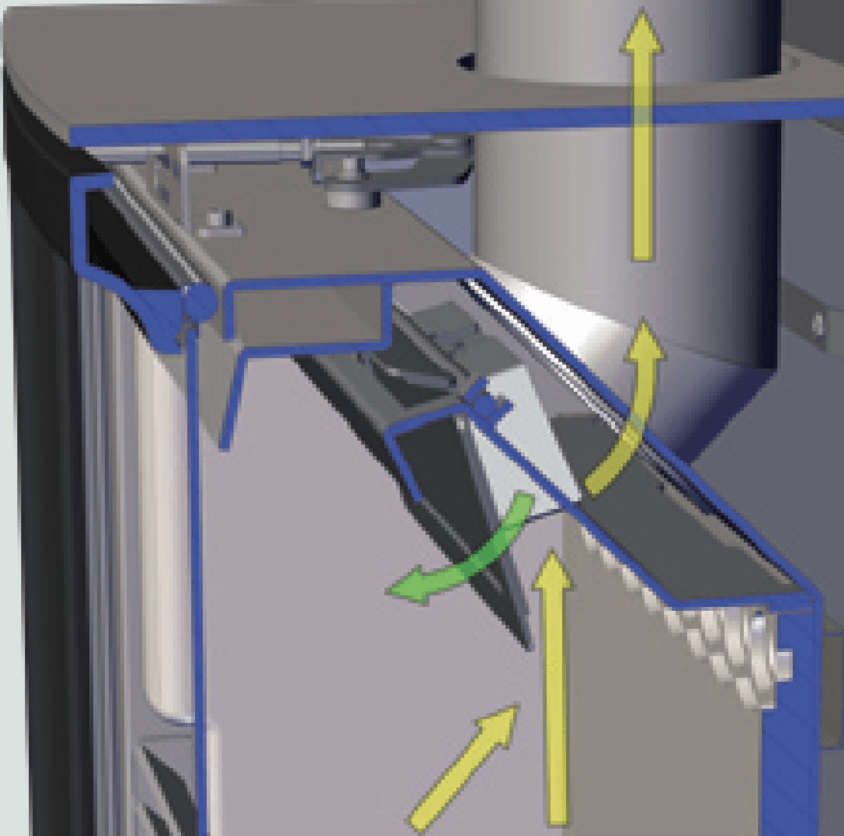
Our Active Baffle System can assist with a cold or slow-starting flue, but it is not a substitute for correct installation, adequate ventilation or regular chimney maintenance.
4. Warm the flue gradually
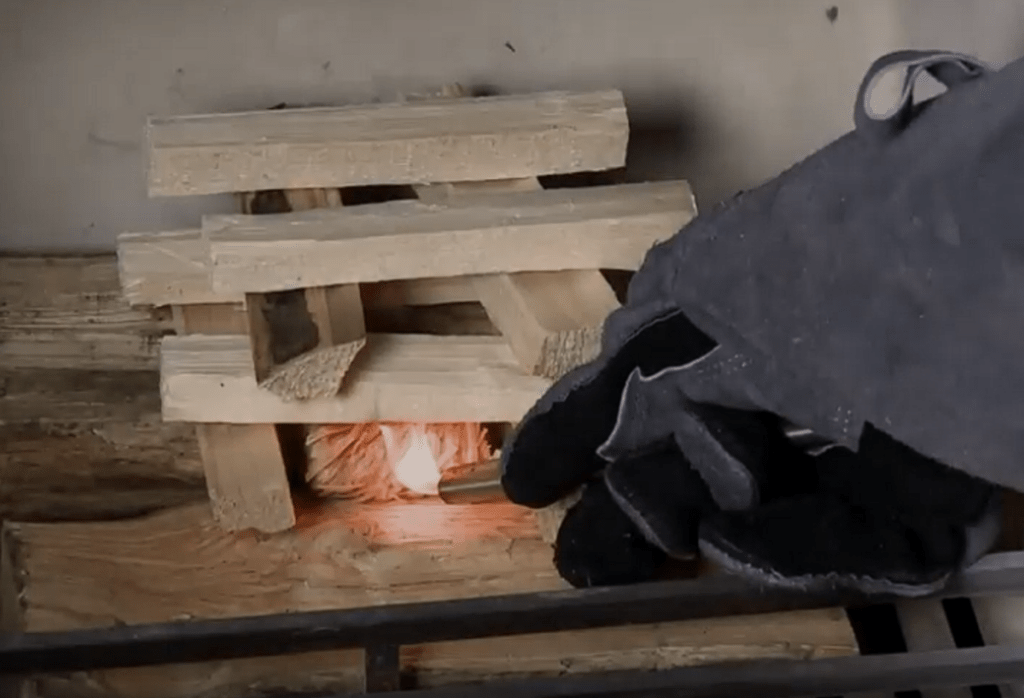
The top-down lighting method (photo example below) uses dry logs at the base, smaller kindling above and a suitable firelighter near the top. The first flames warm the upper part of the firebox and flue before the larger logs become fully involved, helping a reliable draught develop with less start-up smoke.
Use only dry, correctly sized fuel and approved firelighters. Never use petrol, spirits, liquid accelerants or improvised heating equipment inside the stove. Always follow the instructions supplied with your appliance.
5. Watch the fire closely
During lighting, smoke should move decisively towards the flue. If it hangs in the firebox, rolls towards the door or enters the room, do not continue adding fuel. Allow the fire to go out, ventilate the property and investigate the cause before trying again.
When should you call a professional?
Professional help is needed when:
1. Reverse draught occurs repeatedly.
2. Smoke enters the room during lighting or refuelling.
3. The problem appears only during strong winds.
4. Opening a window changes the stove’s behaviour.
5. A chimney has not been swept recently.
6. The property has new windows, added insulation or recently installed extraction equipment.
7. There are signs of a blockage, tar deposits or damage to the flue.
8. The carbon monoxide alarm activates.
A registered installer or approved chimney sweep can check the chimney condition, ventilation, flue draught, terminal position and interaction with extractor fans. This is much safer than attempting to solve a persistent problem by changing the chimney terminal or appliance components without a proper diagnosis.
Smoke and carbon monoxide must never be ignored
Persistent fume emission is potentially dangerous. If smoke or fumes enter the room, or a carbon monoxide alarm sounds, close the appliance air controls if it is safe to do so, open doors and windows, leave the building and follow the alarm manufacturer’s emergency instructions.
Do not use the stove again until the cause has been identified and the installation has been confirmed as safe. Anyone experiencing headache, dizziness, nausea, confusion, breathlessness or collapse should seek urgent medical assistance, using 999 in an emergency.
Every home with a solid-fuel appliance should have a correctly positioned, audible carbon monoxide alarm that is tested regularly and replaced by its stated expiry date. An alarm provides an essential warning, but it does not replace professional installation, servicing and chimney sweeping.
Helping your chimney work as intended
A healthy chimney draught begins with the right installation and continues with responsible operation. Dry fuel, unobstructed ventilation, regular sweeping and correct lighting technique all help the stove and flue work efficiently together. Temporary weather conditions can sometimes make a cold flue reluctant to start, but repeated reverse draught is a warning that deserves investigation. By recognising the signs early and avoiding repeated attempts to light a smoking stove, you can protect your home while enjoying your fire safely and confidently.
For appliance-specific guidance, consult the operating instructions in our Technical Library or speak to one of our approved retailers.