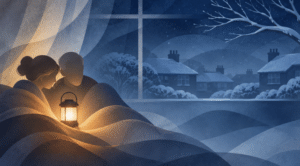
We have been told to prepare. But what happens if we lose power in the middle of a cold snap this winter? The lights go out. The heating stops. Outside, temperatures are below freezing. You have no emergency kit, your phone is only partly charged, and you have no idea when the electricity will return.
A winter power cut can become much more than an inconvenience, particularly for someone who lives alone, has limited mobility or depends on powered medical equipment. When there is little or no warning, the priority is to protect people, conserve warmth and avoid dangerous attempts to heat the home.
We understand how important reliable warmth is. Here is what to do if you suddenly lose power during severe winter weather.
Severe cold and power cuts could happen together
Warnings about winter disruption should get your attention, but they need context. NESO’s (National Energy System Operator) current Winter Outlook for 2026/27 expects sufficient electricity supplies across the UK and does not forecast blackouts. But that does not rule out unexpected local outages caused by damaged infrastructure or faults.
The polar vortex also needs explaining. It is a circulation of winds high above the Arctic, rather than just a storm that simply hits an area. Disruption to it, including sudden stratospheric warming, can influence the jet stream and increase the likelihood of prolonged cold weather in the UK. However, this does not guarantee snow, severe cold or power cuts.
If an outage does coincide with freezing weather, you may lose more than lighting. Most gas central heating also needs electricity. Having a gas supply does not necessarily mean your radiators will stay warm. Here are a few tips to help if the worst happens.
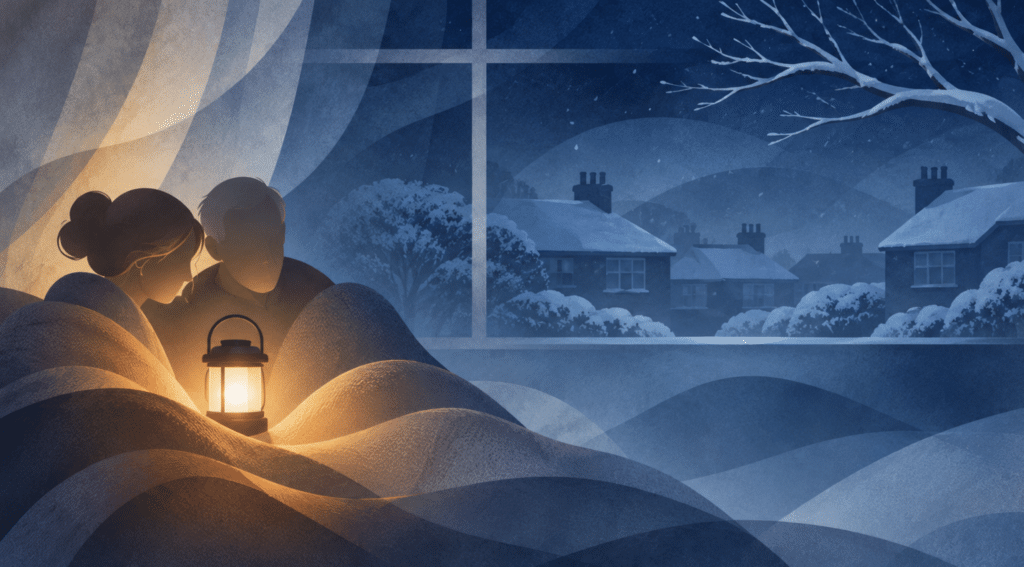
The first few minutes
Check people first. Is anyone dependent on an oxygen concentrator or other essential powered medical equipment? Follow their existing backup instructions and contact their care team or equipment provider promptly. If equipment failure creates an immediate threat to life, call 999. Do not wait for an estimated restoration time.
Next, take these practical steps:
* Find safe lighting. Use a battery torch if available. A phone torch can help you locate it, but preserve your phone’s remaining charge.
* Switch off appliances that could become dangerous when power returns, including electric fires, cookers, irons and hair straighteners.
Report the outage. Call 105 in England, Scotland and Wales, or 03457 643643 in Northern Ireland. These are power-cut numbers; use 999 for a life-threatening emergency.
Keep away from fallen cables and damaged electrical equipment. Never approach them to investigate or attempt a repair.
Keep warm with what you already have
You don’t need anything special to start reducing heat loss. There are some simple quick wins. Gather everyone in one suitable room. Put on several layers, including warm socks, and use blankets, duvets or sleeping bags already in the house. Change out of wet clothing. Close curtains and the doors to unused rooms.
Reduce draughts around ordinary doors, but never cover ventilation grilles, air bricks or vents required by a fire or stove. Keep blankets and clothing safely away from flames and hot surfaces.
If you are able, move gently and regularly rather than sitting still for hours. Eat available food that is safe to consume without cooking, and have warm non-alcoholic drinks if you can make them safely.
Can you use your fire or stove?
An existing, properly installed and maintained wood-burning stove can provide valuable warmth without mains electricity. However, you must know that your particular installation is safe to operate during an outage. Systems with boilers, pumps or electrical controls need particular care: follow the manufacturer’s instructions.
Gas fires also vary. Some have battery controls or an approved backup arrangement; others need mains power. Check the instructions for your exact model. Never improvise an electrical supply, bypass a safety device or assume every gas fire works without electricity.
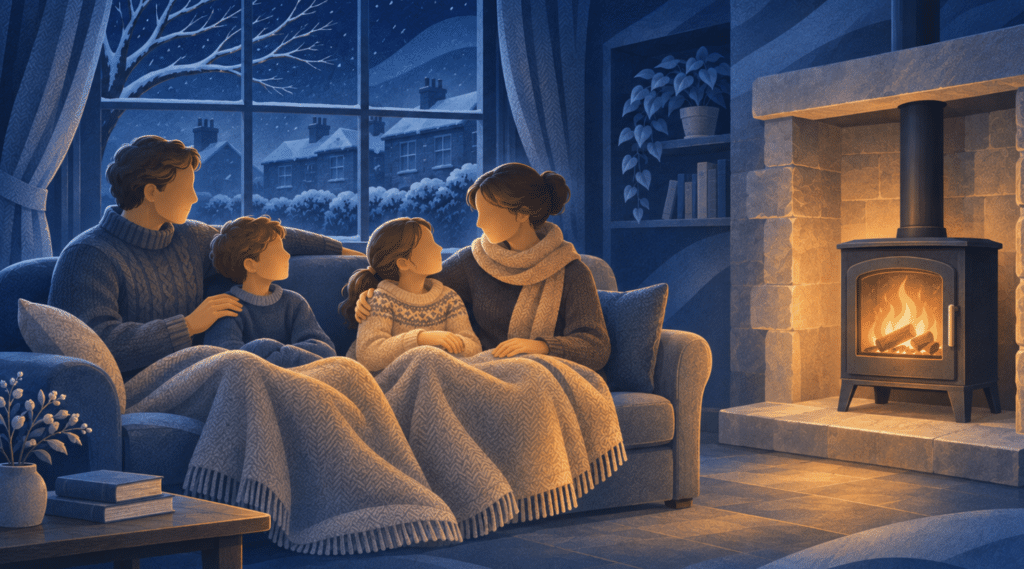
Only use an appliance you know is safe and ready for use. An emergency is not the time to relight a long-disused fireplace with an unchecked chimney. Use the specified fuel, maintain required ventilation and keep combustible items at the instructed clearance.
Never improvise indoor heating
When a house becomes cold, an unsafe shortcut can feel tempting. Some of the greatest dangers during an outage come from attempts to create warmth.
Never bring a barbecue or camping stove indoors, even if you open a window; they don’t have the same emission controls as indoor appliances. Never use a gas oven or hob to heat a room. Do not run a generator inside a house or garage. Carbon monoxide can build up without any smell or visible warning.
Opt for torches over candles. If candles are your only option, secure them in suitable heat-resistant holders, away from curtains, bedding, children and pets. Extinguish them before leaving the room or sleeping.
If a carbon monoxide alarm sounds, or you suspect exposure, get everyone outside immediately and seek help. Do not stay inside looking for the source. Symptoms can include headache, dizziness, nausea and confusion. Call 999 for suspected exposure with breathing difficulty, sudden confusion, collapse, weakness, or chest or muscle pain. Seek urgent medical advice for other suspected symptoms and do not re-enter until advised that it is safe.
Know when cold becomes a medical emergency
Hypothermia can develop inside a cold home. Watch for shivering, slurred speech, slow breathing, unusual tiredness or confusion. A baby may feel cold, become floppy or unusually sleepy, or refuse feeds.
If you suspect hypothermia, call 999.
While waiting, move the person somewhere sheltered, remove wet clothes and wrap them in dry blankets, covering their head. Stay with them. Offer a warm non-alcoholic drink and sugary food only if they are fully awake and able to swallow.
Do not use a hot bath, hot water bottle or direct heat to warm someone with suspected hypothermia, and do not rub their arms or legs.
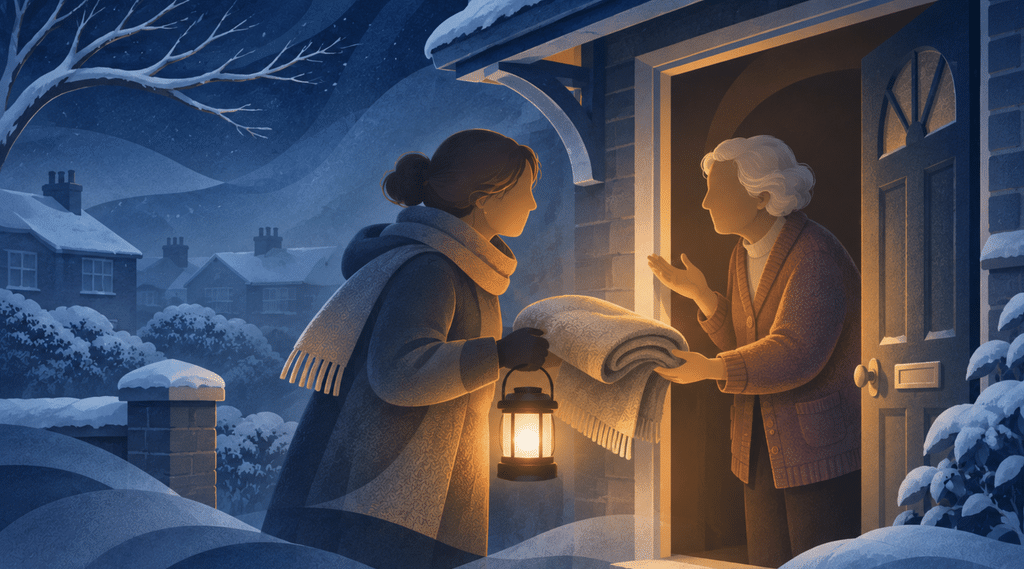
Help someone beyond your own front door
If it is safe, check on nearby neighbours, especially anyone living alone, older people and households with young children or additional care needs.
Ask practical questions to find out if they are warm enough, if their phone is working, and whether any equipment they need depends on electricity. Share spare blankets, food and verified updates. Arrange another check-in rather than assuming one conversation is enough. Do not put yourself at risk crossing icy roads, entering floodwater or approaching damaged power lines.
If your home is becoming too cold, consider moving to a friend or relative’s heated home, or an officially opened local support centre. Confirm that the destination is open and has heating before leaving, and assess whether the journey is safe. Ask for assistance early if mobility or health needs make moving difficult.
Do not rely on everything coming back quickly
Conserve phone battery and check updates periodically. Broadband, digital landlines and mobile coverage may be disrupted. If you have a battery – or wind-up radio, use it for information. Keep fridge and freezer doors closed to preserve the cold inside.
You may have had no opportunity to prepare, but you can still make useful decisions immediately: gather your household, preserve warmth, use only safe heating and get help before someone becomes seriously cold.
A neighbour with a spare blanket, a safe warm room or a working phone may make an enormous difference. If you can safely be that neighbour, reach out.