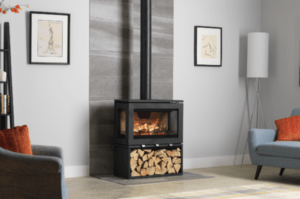
A modern Ecodesign wood-burning stove is far more than a firebox with a front door. It is a carefully engineered combustion system: one that controls airflow, keeps heat where it matters, burns off gases that would otherwise escape as smoke, and sends more usable warmth back into the room. That is why the anatomy of a stove matters so much.
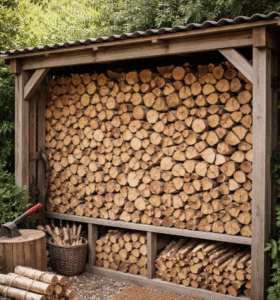
An Ecodesign stove can convert over 80% of the wood’s energy into heat for the room, while an open fire can lose almost 80% of its heat up the chimney. The difference is not just comfort. It is fuel use, running cost, maintenance, and emissions. This also explains why two stoves of a similar size can perform very differently in real life. It depends on how the stove is built, how the air moves through it, how hot the firebox stays, and whether the fuel being burned is actually fit for purpose. Dry wood should have a moisture content of around 20%; wet wood wastes heat, evaporates water, creates more smoke, and can quickly congest both the stove and the chimney.
Air is everything: the parts that decide whether a stove burns cleanly.

If there is one theme that runs through every good stove design, it is control of air. Too much air and the fire races away, wasting fuel and overheating components. Too little air and the fire smoulders, producing soot, smoke, and incomplete combustion. Slumbering a stove for long periods is bad because operating at very low output can increase particulate and carbon monoxide emissions while encouraging deposits in the flue. In other words, a modern stove is not meant to be starved; it is meant to burn deliberately and efficiently.
Here is a glossary-style insight into a stove:
Air control
The air control is the user’s main point of contact with combustion. It regulates how much oxygen reaches the fire, which in turn affects flame pattern, burn rate, temperature, and emissions. It sounds simple, but it is actually the bridge between appliance design and real-world performance. Even the best firebox cannot burn cleanly if it is being run with poor air settings.
Primary air
Primary air enters low down, usually beneath the fuel bed. It is essential for mineral fuels such as smokeless briquettes, but far less important for wood once the fire is established. That is an important point because many people still assume that more air from underneath automatically means a better burn. With wood, that is not usually the case. Clean combustion depends much more on what happens above the logs than below them.
Secondary air and airwash
Secondary air is where modern stoves start to show their intelligence. It is introduced above the fuel bed, where it helps ignite the gases released from the wood. In many appliances, it also forms the airwash: a controlled flow of air directed down the inside of the glass to reduce deposits and keep the flame picture clearer. That means clear glass is not just a visual point. It is often a sign that the stove is burning properly. If the glass quickly blacks up, the stove is often telling you something: the fire is too cool, the fuel is too wet, or the airflow is not properly balanced.
Tertiary air
Tertiary air is the afterburner of the stove world. It is typically introduced into the hotter upper part of the firebox to burn off the remaining gases and particles that would otherwise leave as smoke. A great deal of stove engineering is about one simple idea: keeping the firebox hot enough, for long enough, to burn smoke rather than waste it.
Firebox
The firebox is the engine room. It is where the wood chars, releases gases, ignites, and finally burns down to embers. The hotter and more stable this chamber is, the more likely the stove is to achieve complete combustion. When a stove does not reach temperature, heat is lost in three main ways: up the chimney as hot gases, through incomplete combustion as smoke, and through the energy wasted to evaporate moisture from wet wood.
Firebricks and liners
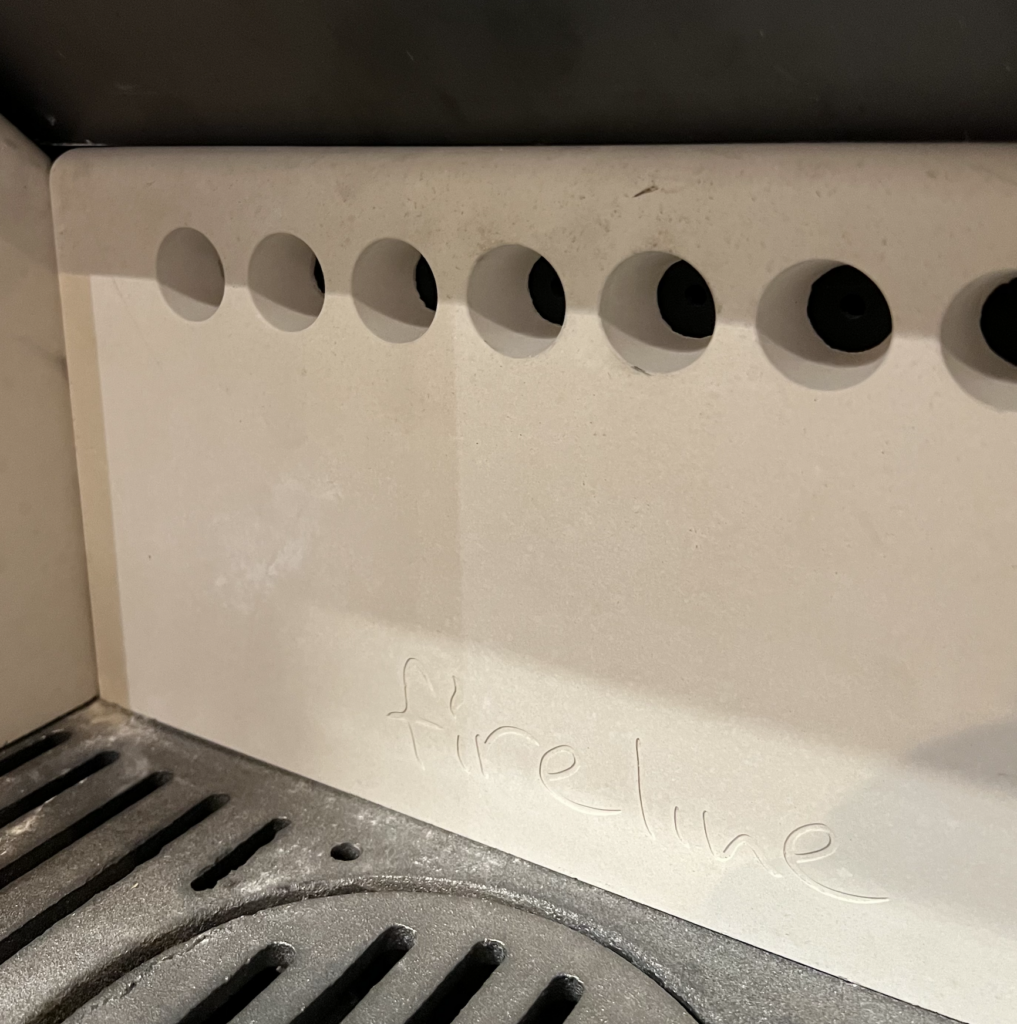
Firebricks and vermiculite or ceramic liners do more than protect the stove body. They help insulate the firebox, reflect heat back into the burn zone, and support the higher internal temperatures needed for cleaner combustion. While very small hairline cracks in firebricks and liners are not usually a problem, larger cracks and crumbling bricks should be addressed. These are not merely cosmetic parts; they are part of the stove’s combustion environment.
Baffle plate
The baffle plate sits near the top of the firebox and forces flames and hot gases to take a longer, hotter path before they reach the flue. This extra time helps more of the smoke burn inside the stove rather than escaping as wasted energy. Baffles can buckle or burn out over time because they sit in such an intense part of the firebox. It is one of the least glamorous components in a stove, but one of the most important.
Heat exchangers and convector bodies
Some stoves go a step further by improving how they give heat back to the room. A heat exchanger is a component with an enhanced surface area to transfer more heat from combustion products into the room air. The principle is straightforward: if more usable warmth is extracted before the gases head for the chimney, the room gets more benefit from the same load of fuel.
The parts most owners underestimate
Some of the smallest, least exciting parts of a stove can have the biggest effect on everyday performance.
Door and rope seals
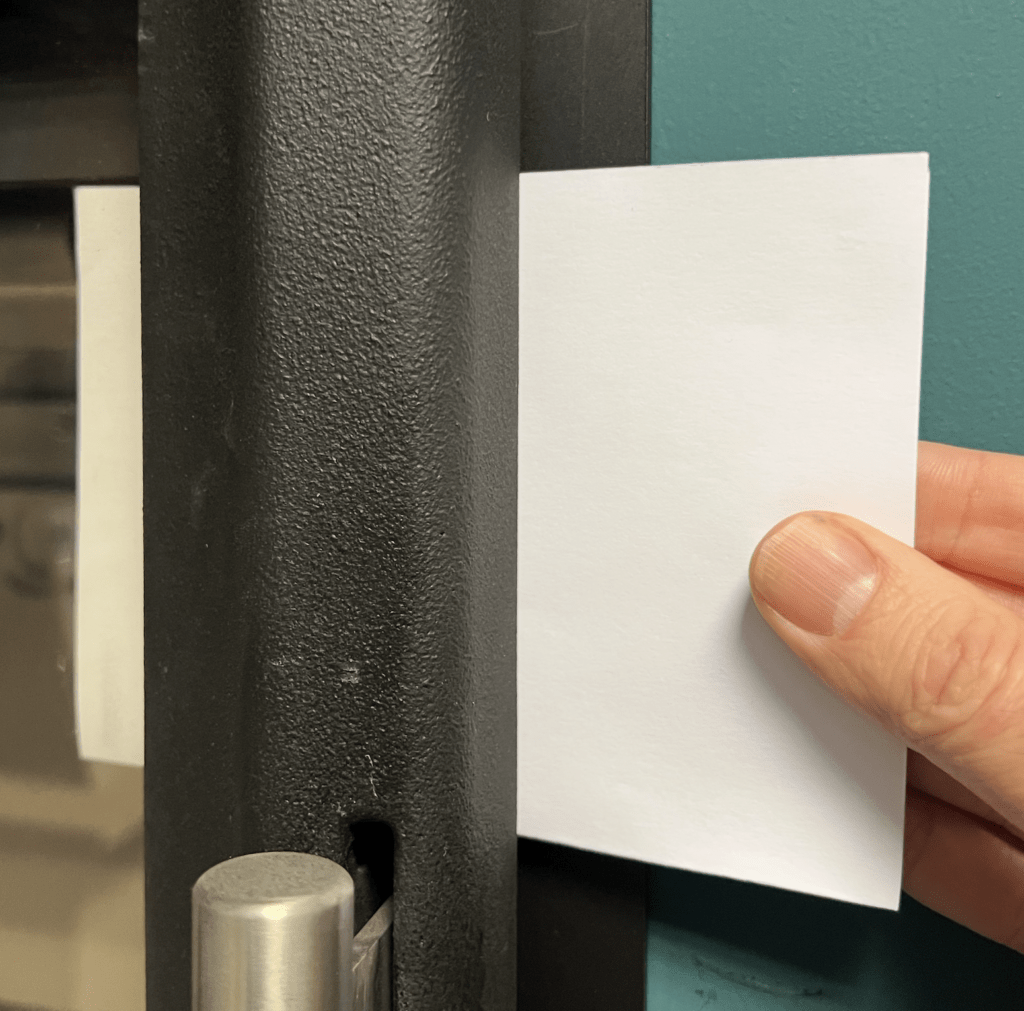
The stove door is what turns a fire into a controlled heating appliance rather than an open flame. But the real unsung heroes are the rope seals and gaskets around it. Rope seals create an airtight seal around the fire door, preventing uncontrolled combustion air from being drawn into the firebox. When they degrade, you lose control of the burn and start getting through fuel much more quickly. That makes them one of the clearest examples of how a humble maintenance item directly affects both efficiency and emissions. Below is a simple paper test to see how well the rope is creating a tight seal. Simply put a piece of paper in the side and close the door on it – it should either be impossible or very hard to pull the paper out when the door is closed if there is a strong seal.
Interesting stove fact:
One of the best stove facts is that stove glass is not ordinary glass at all. It is a translucent ceramic, and the viewing panels only became practical once this material became available from the same family of materials used in ceramic hob glass. That is why it can withstand the thermal stresses inside a stove that ordinary heat-resistant glass cannot. In practical terms, the glass is not just there for ambience. It is your window into combustion quality. A lively, bright flame picture is not only attractive; it is often a good sign that the stove is operating as intended.
Grate
Wood and mineral fuels do not want to burn in quite the same way. Primary air from beneath the fuel bed is essential for coal and briquette smokeless fuels, but is usually unnecessary for wood burning when the air can remain fully closed. That is why dedicated wood-burning stoves often favour a calmer fuel bed and ember base, while multi-fuel appliances make more use of riddling grates and under-fire air. If you want to understand whether a stove is truly optimised for wood, this is one of the most revealing details to look at.
Ash pan and ash bed
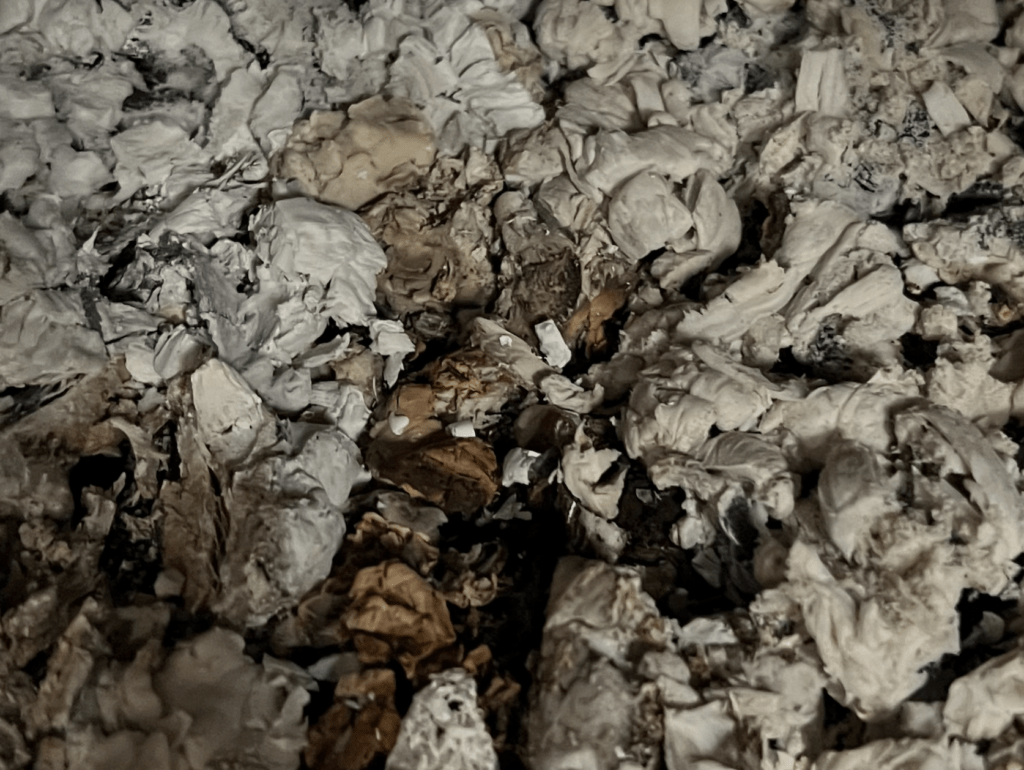
Ash is often treated as a nuisance, but in the right amount, it can be part of a healthy burn. Some stoves operate with a small amount of ash, depending on the manufacturer’s instructions. Too much ash becomes a problem, but a completely stripped-out firebox is not always ideal either. This is one of those useful stove points that rarely get mentioned.
The flue and ventilation: the invisible system that makes everything else work
A stove does not perform in isolation. However good the appliance may be, it still depends on a functioning flue system and a reliable supply of combustion air. All stoves require sufficient air to operate properly and maintain a good flue draw that carries combustion products out.
For modern, more airtight homes, an external air connection can be especially valuable. The principle is simple: instead of competing with the room for oxygen, the stove receives a controlled supply of combustion air from outside. That can help make burn conditions more stable and predictable, particularly in well-insulated properties where uncontrolled draughts are no longer doing the work they once did.
The most important “component” is not part of the stove at all…
If there is one thing that undermines even the best-designed stove, it is poor fuel. As mentioned, dry wood should have a moisture content of 20% or less. Dry wood produces less smoke and pollution and is cheaper and more efficient to burn than wet wood. So while people often focus on baffles, glass size or air controls, the most important choice may be the one made before the fire is even lit. A premium stove cannot burn wet logs cleanly any more than a high-performance car can run properly on the wrong fuel.
Final thought
What makes a modern wood-burning stove interesting is that every component has a job beyond its obvious one. The glass is not just for viewing. The baffle is not just a plate. The firebricks are not just there to protect the shell. The seals are not just bits of rope. Together, these parts control airflow, hold temperature, improve combustion and reduce waste. That is the real basis behind a good stove: not just that it looks good in a room, but that it quietly does a lot of work to turn more of every log into useful heat and less into smoke.