Climate change is no longer a distant environmental issue for the construction and development sector. In 2026, it will directly influence where homes and commercial buildings are built, how they are designed, what materials are specified, how they are heated and cooled, and how resilient they are expected to be over their lifetime.
For developers, architects, contractors, product manufacturers, like us, and homeowners, the key shift is that climate change is now both a risk issue and a design issue. Buildings must produce fewer emissions, but they must also perform well in a changing climate: hotter summers, wetter winters, heavier rainfall, rising flood risk, water scarcity and more scrutiny of energy performance.
For us, climate change is not just a policy issue affecting the construction industry from afar. It is directly shaping the way homes are designed, heated and lived in. As a manufacturer and supplier of gas fires, electric fires and wood-burning stoves, we are seeing growing demand for heating solutions that combine efficiency, design flexibility and suitability for modern homes.
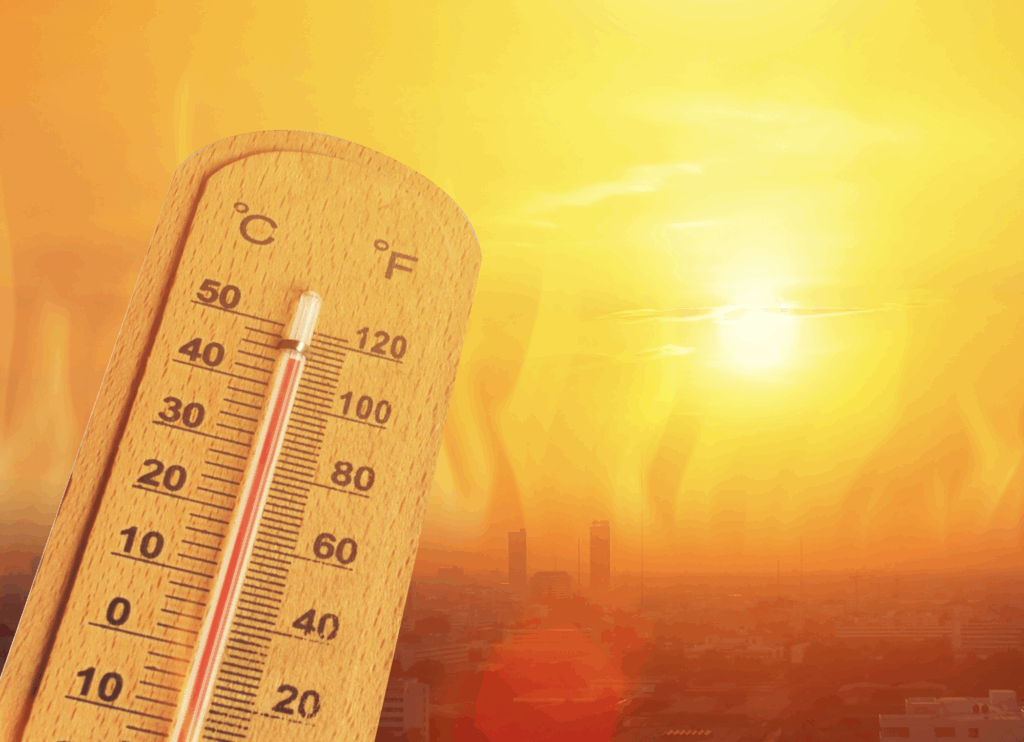
The UK’s recent climate record underlines why all this is so important. The Met Office reported that 2025 was the UK’s warmest and sunniest year on record, with human-induced climate change making the record annual temperature approximately 260 times more likely. Four of the UK’s last five years are now in the top five warmest since 1884.
For construction and development, this means one thing: buildings designed only for the climate of the past are increasingly unlikely to meet future needs.

Climate resilience is now central to development
One of the biggest changes in 2026 is that climate resilience is being considered much earlier in the development process. It is no longer enough for a building to meet minimum standards at completion. Developers increasingly need to show that a site, building and surrounding infrastructure can cope with future weather patterns.
The Climate Change Committee’s latest adaptation assessment concluded that the UK’s preparations for climate change remain inadequate, with adaptation progress either too slow, stalled or heading in the wrong direction. That matters for construction because development decisions made today will create buildings that may still be in use in 2070, 2080 or beyond.
This is changing how projects are assessed. Site selection, drainage design, building orientation, overheating risk, flood resilience, materials, landscaping, external works and long-term maintenance are all becoming climate-related considerations.
For developers, this creates new responsibilities but also new opportunities. A development that is resilient, efficient and cheaper to run will be more attractive to buyers, tenants, insurers, lenders and planning authorities.
Flood risk is shaping where and how we build
Flooding is one of the most obvious ways climate change is affecting construction. Heavier rainfall, more intense storms, sea-level rise and surface water flooding are placing greater pressure on drainage systems and urban infrastructure.
Flood risk is no longer only a concern for riverside or coastal sites. Surface water flooding, caused when heavy rainfall overwhelms drains or cannot soak into the ground, is now a major issue for urban areas with large amounts of hard surfacing.
The Environment Agency’s climate change allowance guidance is specifically aimed at local planning authorities, developers and agents preparing flood risk assessments. It requires allowances for future changes in peak river flow, rainfall intensity, sea-level rise, offshore wind speed and wave height.
This means flood risk assessments are becoming more forward-looking. Developers need to consider not just whether a site floods now, but whether it may flood in future.
In practice, this can affect:
whether a site is suitable for development;
ground levels and finished floor levels;
the location of homes, roads and access routes;
drainage capacity;
safe access and escape during flood events;
the use of flood-resistant and flood-recoverable materials;
insurance and mortgageability.
The Environment Agency and Defra also announced major flood defence investment, with various schemes planned between 2024 and 2036. This investment is important, but it does not remove the need for careful development planning. Flood defences reduce risk; they do not eliminate it.
Sustainable drainage is becoming a design priority
As rainfall becomes more intense, drainage is moving from a technical afterthought to a core part of placemaking. Sustainable Drainage Systems, or SuDS, are now central to how developments manage surface water.
The government’s national SuDS standards are intended for the design of surface water drainage systems for new infrastructure and development on both greenfield and brownfield sites. They promote a natural approach to managing water, including managing runoff close to the surface and as close to the source as possible.
Good SuDS design can include features such as swales, rain gardens, permeable paving, attenuation basins, wetlands, green roofs and tree pits. These features can help reduce flood risk, improve biodiversity, filter pollutants, cool urban areas and create more attractive places to live.
Overheating is changing home design
For many years, UK housing design focused heavily on retaining heat. That remains important, but climate change has added a second challenge: keeping homes comfortable during hotter weather.
Approved Document O sets standards for overheating in new residential buildings in England. It applies to new homes and other new residential buildings and is designed to limit unwanted solar gains and provide ways to remove excess heat from the indoor environment. This is especially important as new homes become better insulated and more airtight. A highly insulated home can be very energy efficient in winter, but if it is poorly designed, it can also trap heat in summer.
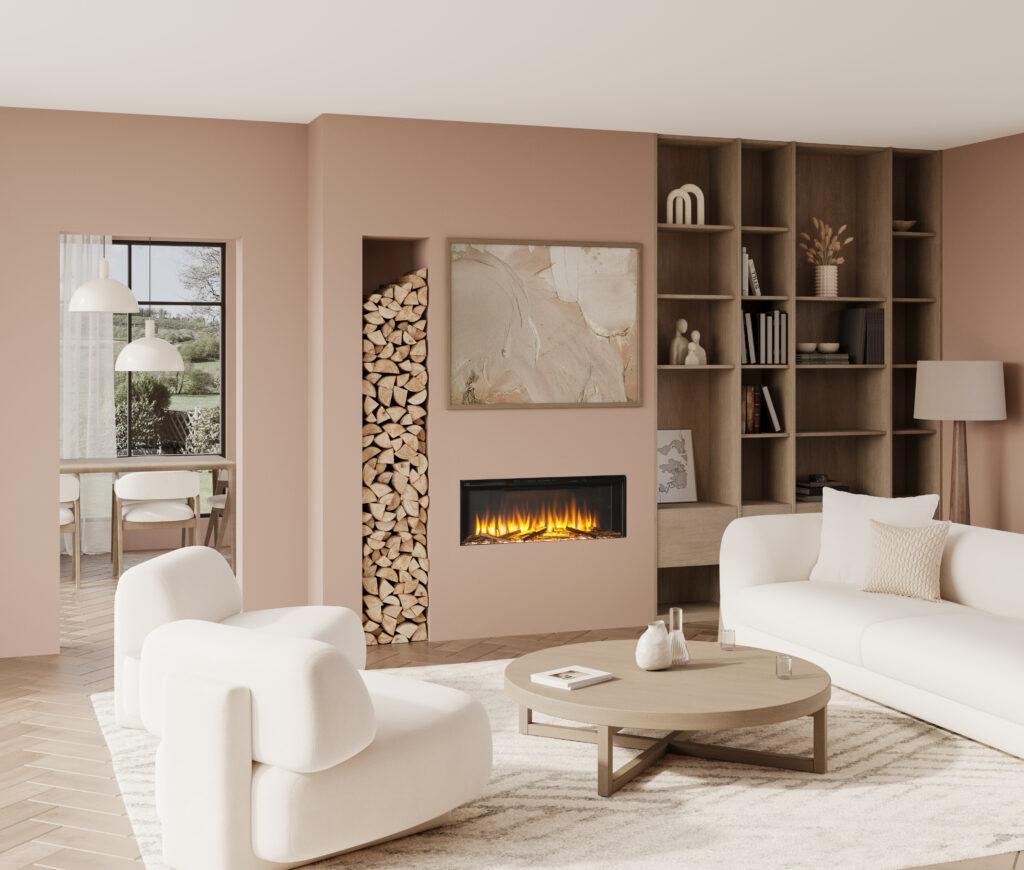
Because homes are becoming better insulated and more airtight, heating choices need to be considered more carefully. Homeowners are increasingly looking for solutions that provide effective warmth when required, without compromising the home’s overall performance. This is one reason why product choice matters so much. Electric fires, gas fires and wood-burning stoves each have different power outputs depending on the property, the layout and the lifestyle of the homeowner.
The Future Homes and Buildings Standards are changing specification
One of the most significant regulatory developments in 2026 is the publication of the Future Homes and Buildings Standards for England.
The government published Building Circular 01/2026 on 24 March 2026, setting out amendments to the Building Regulations. The standards are designed to ensure that new homes and non-domestic buildings are built with low-carbon heating and high levels of energy efficiency, so they do not require retrofitting to become zero-carbon in use as the electricity grid decarbonises.
The changes include updates to Approved Document L for dwellings and non-domestic buildings, to Approved Document F for ventilation, and to a new functional requirement, L3, for on-site renewable electricity generation in new dwellings and in buildings containing dwellings.
The regulations come into force on 24 March 2027, with separate timings for higher-risk buildings, and transitional provisions mean some projects may continue under previous rules if notices or applications are submitted and works start within the relevant timeframes.
For developers and specifiers, this means energy strategy must be considered much earlier. Future-ready development will increasingly involve:
improved building fabric;
low-carbon heating systems;
solar PV and on-site renewable generation;
better ventilation design;
heat pump readiness;
smarter controls;
accurate handover information for homeowners;
lower operational energy demand.
For the heating sector, this does not mean the design choice disappears. It means product selection needs to sit within a wider conversation about efficiency, comfort, compliance, air quality and consumer expectations.
Heating choices are becoming more carefully scrutinised
As new homes move towards low-carbon heating and improved fabric performance, homeowners will increasingly expect heating products, such as wood-burning stoves, gas and electric fires, to be efficient, well specified and suitable for the type of property they live in.
As new homes move towards improved fabric performance and more carefully considered energy strategies, homeowners are placing greater importance on choosing heating appliances that are efficient, well specified and suitable for the way they live.
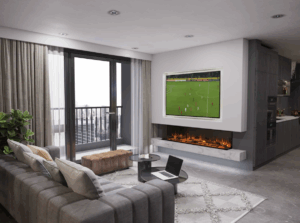
This is where our range becomes especially relevant. Our electric fires can provide a flexible design-led option for a wide range of homes, particularly where ease of installation and visual impact are important. Our gas fires continue to offer an attractive living-flame solution, with options to suit homes with or without a chimney. Our wood-burning stoves remain an important choice for homeowners seeking character, atmosphere and a more traditional focal point, particularly where product efficiency and compliance with Ecodesign standards are priorities.
The changing construction landscape creates a more informed customer who demands more. We know buyers are not only interested in what a fire looks like; they are also asking how it performs, where it can be installed, how efficient it is, and how it fits within modern home design. These points are vital for us to understand, which is why we provide insight into our fires that goes far beyond just nice photography in our brochures.
Embodied carbon is moving up the agenda
For many years, the focus of low-carbon building was operational carbon: the energy used to heat, cool, light and run a building. That remains important, but as buildings become more efficient and the electricity grid decarbonises, embodied carbon is becoming more significant.
Embodied carbon refers to emissions associated with materials and construction processes across a building’s life cycle, including extraction, manufacture, transport, construction, maintenance, refurbishment and end-of-life processes. UKGBC says embodied carbon from construction and refurbishment currently makes up 20% of UK built environment emissions, and that embodied carbon is still largely unregulated and voluntary in construction.
This is changing how developers and design teams think about materials. Lower-carbon construction may involve:
reusing existing buildings rather than demolishing them;
designing for adaptability and long life;
using lower-carbon concrete and steel;
specifying timber or hybrid structures where appropriate;
reducing material waste;
using Environmental Product Declarations;
designing for disassembly;
sourcing locally where practical;
choosing products with transparent supply-chain data.
The embodied carbon conversation is also encouraging a wider focus on product longevity and quality. In the home, that can mean choosing interior features and heating appliances that are designed to last, perform well over time and continue to suit the space for years to come. For us, this reinforces the value of combining style with function, rather than treating heating products as short-term or purely decorative purchases.
The UK Net Zero Carbon Buildings Standard pilot, launched in 2024, is also helping create a more consistent approach to defining and proving net-zero carbon buildings. CIBSE says the standard covers areas including upfront carbon, operational carbon reduction, operational energy efficiency and construction quality.
There is also growing industry pressure for embodied carbon regulation. The proposed Part Z approach would require whole-life carbon assessment and eventually limits for major building projects, although this remains an industry-led proposal rather than current Building Regulations.
What all this means for homeowners and buyers
For homeowners, climate change is changing the questions worth asking before buying, renovating or specifying products.
Buyers are increasingly asking:
How much energy will it use?
How will it stay warm in winter?
How will it stay cool in summer?
Is it at risk of flooding?
Does it have adequate ventilation?
What heating system does it use?
Are the products efficient and correctly installed?
What are the likely running costs?
Will the property need expensive upgrades later?
Are sustainability claims backed by evidence?
This is particularly relevant for heating and interiors. People still want warmth, comfort and atmosphere, but they also want products that are suitable for modern living. Whether choosing an electric fire, gas fire, wood-burning stove or other heating type, customers are more likely to value efficiency, safety, installation quality, accurate advice and long-term suitability.
Why expert advice still matters
As heating choices become more closely linked to building performance and homeowner expectations, expert advice becomes increasingly important. A fire or stove is not simply a decorative purchase; it needs to be suitable for the property, correctly specified and aligned with the customer’s practical needs.
This is why showroom support remains so valuable. Seeing a product in real life, understanding the installation requirements and comparing different fuel types can help homeowners make a more confident and better-informed decision. In a world which is shifting to remote buying, sometimes physically going into a store is still the best option. Find your local showroom here.