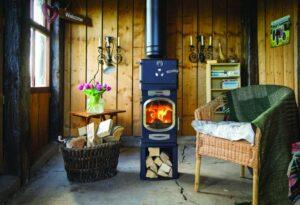
COP31 has ended with a disappointing failure to agree on fossil fuels and climate change. After extended negotiations in Antalya, the proposed Antalya Pact failed to secure a consensus, leaving governments without the agreement on fossil fuels and climate action that the summit needed to deliver. The conference closed on Sunday 22 November, with divisions over the treatment of fossil fuels as a key obstacle.
For households and businesses in the UK, this deadlock has consequences that extend well beyond international diplomacy. Decisions about emissions influence how our homes stay warm (or cool), how our woodlands grow, and how our infrastructure operates. Delayed action makes planning for that future more difficult.
Our previous articles have explored how changing weather patterns could affect firewood supplies, how construction needs to respond to greater climate risks, and why decisions made this decade are so important. COP31 brings those subjects together. A dependable supply of fuel, a comfortable home and a resilient built environment all depend on taking climate change seriously.
The summit’s outcome should strengthen the case for action. It leaves governments, industries and communities with an urgent responsibility to deliver the changes that international negotiations have struggled to secure.
What actually happened at COP31
The main political proposal failed because countries could not reconcile their expectations for the agreement. The European Union and several other countries considered the proposed fossil-fuel language too weak. Russia and Saudi Arabia supported leaving explicit fossil-fuel language out, while developing countries also criticised the proposed provision for adaptation finance.
These disagreements are important to understand as the terms of an agreement help establish what governments intend to do together. A clear commitment can provide a basis for national plans and investment decisions. Vague wording makes it harder to judge whether countries are moving in the same direction or simply attaching different meanings to a shared statement.
However, the failure of the Antalya Pact needs to be described accurately. COP31 did adopt decisions on individual issues. The UNFCCC’s published outcomes include work on a just transition, adaptation, finance, technology and other parts of the climate process. The Paris Agreement also remains in place.
Activity also took place outside the main negotiations. The COP31 Electrification Delivery Package brought together announcements and progress reports on clean power, electricity networks, access to electricity and the electrification of transport and industry.
The disappointment is therefore specific and substantial: governments failed to reach the comprehensive political agreement needed to strengthen a collective response, even while work continued elsewhere. Recognising the progress that did occur helps identify what can be built on. It does not, however, remove the need to confront the gap left by the failed pact.
Why fossil fuels have to remain central to climate policy
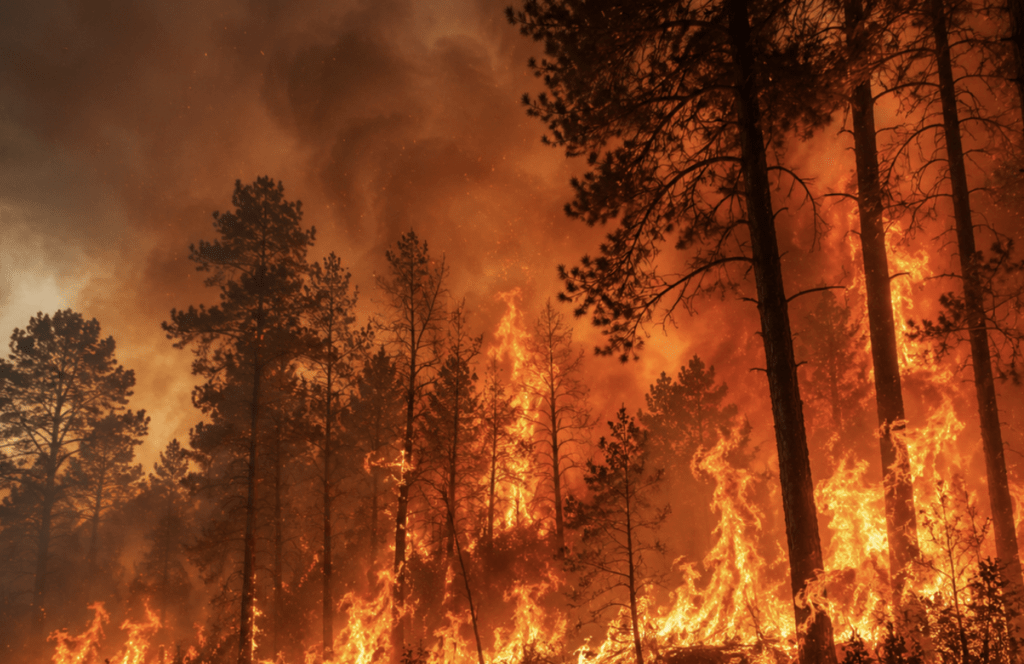
Coal, oil and natural gas release carbon dioxide when burned. Their extraction and supply can also release methane, another powerful greenhouse gas. The IPCC’s assessment of energy systems identifies substantial reductions in overall fossil fuel use, cleaner electricity, electrification and energy efficiency as important elements of reaching net zero.
This explains why fossil fuels cannot be treated as a minor issue at climate negotiations. Governments can agree broad environmental targets, but those targets need to be reflected in how energy is produced and used. The test is whether policies bring down emissions across electricity, transport, industry and buildings.
An international foundation already exists. At COP28 in 2023, the first global stocktake called for an orderly transition away from fossil fuels in energy systems. It also called for a global tripling of renewable energy capacity and a doubling of the rate of energy efficiency improvement by 2030. These commitments did not establish an identical timetable for every country to stop using every fossil fuel; they established a direction that subsequent action was supposed to advance.
COP31’s failure is worrying in that context. The international challenge has moved beyond recognising that energy systems must change. Governments need to explain how they will deliver that change, how quickly it will happen, how it will be financed and how people affected by it will be supported.
That requires attention to demand as well as supply. A well-insulated building that needs less energy, a reliable electricity network that can accommodate cleaner generation, and an industrial process that uses energy more efficiently each address a different part of the problem. A credible transition connects these measures so that cleaner alternatives can meet people’s needs as dependence on fossil fuels declines.
The warning from our earlier article has become more urgent
In June 2024, we published Limiting Climate Change to 1.5°C Will Be Won or Lost This Decade. Its central message was that decisions made during the 2020s would strongly influence the severity of future climate change. COP31’s outcome makes that warning especially relevant.
The Paris Agreement seeks to keep warming well below 2°C above pre-industrial levels while pursuing efforts to limit it to 1.5°C. These figures refer to global average warming. They should not be read as the amount by which every location or every extreme weather event changes.
The latest assessment also requires updating how the challenge is explained. UNEP’s Emissions Gap Report 2026 projects warming of around 2.8°C this century if current policies continue, and around 2.6°C if national climate pledges are fully delivered and similar efforts continue. These are conditional scenarios, but both demonstrate a substantial gap between current action and the Paris goals.
UNEP now examines how to minimise an overshoot of 1.5°C and return temperatures towards the lower level. Its lowest possible overshoot scenario peaks at approximately 1.7–1.8°C around mid-century and returns to 1.5°C or below by 2100 with about a 50% probability. It requires rapid emissions cuts and substantial carbon dioxide removal, which carries significant practical uncertainties.
This is a reason to act more urgently. The IPCC warns that risks increase with additional warming, that adaptation becomes less effective as warming rises, and that an overshoot can cause damage that is not fully reversible even if temperatures later fall. Limiting the height and duration of an overshoot therefore remains essential.
The aim must be to avoid as much additional warming and damage as possible. An increasingly difficult target does not make further emissions reductions less valuable.
Why an individual warm year and long-term warming are different
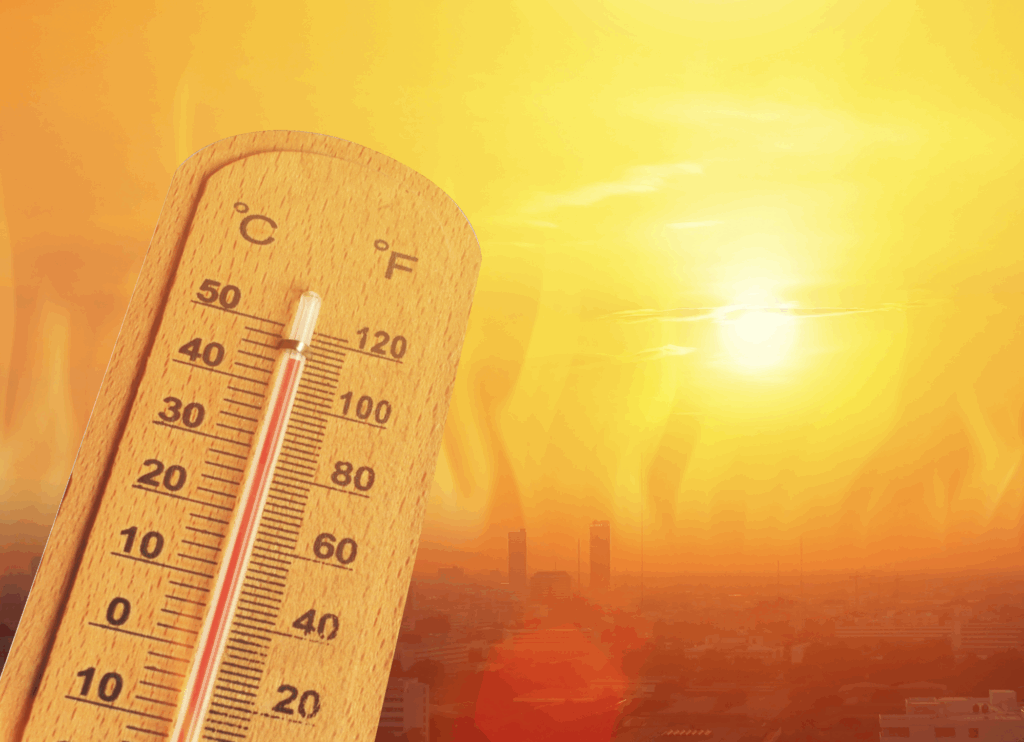
Care is needed when discussing temperature records. The World Meteorological Organisation outlines that the Paris temperature goals focus on sustained warming, typically assessed over 20 years. An individual year above 1.5°C does not, by itself, establish that the long-term threshold has been crossed. Natural variability affects individual years alongside the underlying warming trend.
Nevertheless, the direction of travel is worrying. The WMO update released for COP31 put the January-September 2026 global average surface temperature at around 1.47°C above the 1850–1900 average and indicated that 2026 was set to be among the four warmest years recorded. That figure covers the first nine months, not the full calendar year.
The reason the delay matters is cumulative emissions. The total carbon dioxide released before net zero is reached, together with reductions in other greenhouse gases, largely determines future warming. A year of continued emissions adds to the challenge.
That is the link between a difficult diplomatic outcome and physical climate risk. The negotiations may pause, but the processes driving warming continue. Domestic policies and practical investment therefore need to advance between summits as well as through them.
Climate change is already a practical planning issue for the UK
The Met Office describes a UK climate with warmer summers and more frequent and intense heat extremes, alongside warmer and wetter winters. Projections point towards generally hotter, drier summers, while intense downpours can still occur. There is not yet a clear observed trend in total UK summer rainfall, so it would be misleading to assume every future summer will be dry.
For planning purposes, this combination is important to understand. A household may need to think about summer comfort and winter heating. A business may need to prepare for both water shortages and heavy rainfall. A woodland manager may face a useful dry operating window followed by conditions that threaten tree health.
Our earlier articles examined these issues in two areas closely connected to our industry. They show why climate policy has implications for everyday decisions, including decisions that will remain in place for decades.
What the fossil fuel deadlock means for future firewood supplies
Our article Dry Summers, Wet Winters: How Climate Change Could Affect UK Firewood Supplies for Stoves explored a useful distinction. Dry weather can help season logs and improve access to some woodland sites, while prolonged drought can damage the resource needed for future supplies.
Reduced growth, crown dieback and tree mortality are consequences of drought. Repeated dry periods can have cumulative effects, and weakened trees can become more vulnerable to pests and disease. Reduced growth and greater mortality also affect the amount of carbon woodland can absorb.
For the firewood market, this means a favourable season for processing existing timber does not guarantee reliable production in future years. Supply depends on successful regeneration, healthy growth, and management over time. A temporary timber yield from damaged trees should therefore be considered separately from the woodland’s continuing productive capacity.
The effects will vary between places. Some cooler sites may become more productive where water and nutrients remain adequate, while growth can decline elsewhere as conditions become less suitable. Extreme weather also poses risks to forestry businesses, and wetter autumns and winters can restrict operations.
Access and timing are particularly important. A woodland can contain usable timber, but conditions can make it difficult to harvest or move. Adapting operation timing, including limiting harvesting access during wet winters to protect soil structure and reduce compaction, can help.
The practical implication is a need for more resilient supply planning. Local availability, processing schedules and delivery arrangements may become more variable. The costs of managing those challenges could affect prices, although this does not establish a particular future price increase or a general UK firewood shortage.
Woodland adaptation should be treated as a continuing investment. The choice of species, establishment methods and management regime needs to suit the site and its likely future conditions. For suppliers and customers, traceable sourcing and realistic planning become increasingly valuable.
COP31’s relevance is indirect but important. The summit’s failure does not determine next winter’s log supply. But it does affect the wider effort to limit the warming that woodland managers will have to accommodate over much longer periods.

Construction needs to reduce emissions and prepare for a changing climate
The same connection appears in our article How Climate Change Is Affecting Construction and Development in 2026. Buildings need to use less energy while remaining suitable for hotter conditions, heavy rainfall and periods of water scarcity. Heating, insulation, ventilation, shading, and drainage all play a part.
The Climate Change Committee’s May 2026 assessment illustrates the scale of the challenge. It projects that, without additional adaptation, 92% of existing homes would overheat by 2050 under a 2°C global warming scenario. Those conditions are essential to understanding the figure. It describes a future risk under a specified scenario, rather than the proportion of homes overheating today.
For a developer, this strengthens the case for considering future conditions from the start. The design brief should address how rooms respond to solar gain, whether excess heat can be removed, how occupants can operate ventilation safely and how the building will perform during a prolonged hot spell.
For an existing home, coordinate improvements. Insulation remains important for reducing winter heat loss, but a renovation should also consider shading and ventilation. A homeowner replacing equipment or altering a room has an opportunity to assess its performance across the year.
Water requires the same joined-up approach. Flooding and water shortages are among the UK’s major climate risks. A development’s drainage, landscape and water use should therefore be considered together, with solutions appropriate to its location.
A practical project discussion might examine where heavy rainfall will go, which spaces are most exposed to summer heat, how vegetation will be maintained during dry periods and whether the services serving the building are resilient. These questions help translate climate evidence into design decisions.
There is also a strong case for avoiding repeated work. Considering future conditions when a building is designed or refurbished creates an opportunity to coordinate measures. Leaving climate resilience until after problems appear can require a second round of decisions, disruption and expenditure.
That is why the outcome in Antalya is important for construction. Projects delivered today will operate under future climate conditions. The sector needs policies that reduce the scale of future warming and practical design choices that prepare buildings for foreseeable risks.
Cutting emissions and adapting must happen together
The woodland and construction examples above illustrate the two connected tasks involved in managing climate change. Mitigation reduces the emissions driving further warming. Adaptation prepares people, buildings and ecosystems for changing conditions.
For a home, these tasks can be considered within the same project. A refurbishment can assess energy demand alongside the risk of overheating. Decisions about windows can consider winter heat loss, summer solar gain and ventilation together. That gives the owner a clearer basis for judging how the home will perform across different conditions.
For woodland, the equivalent discussion brings future productivity together with environmental resilience. A management plan can consider which species suit the site, how young trees will establish, when operations are feasible and how the woodland’s condition will be monitored. This is a different task from preparing a particular batch of logs for sale, but it supports the continuing resource on which that trade depends.
These examples also reveal why responsibility must be shared. A homeowner can make changes within a property, while local drainage and electricity networks require coordinated investment. A woodland business can adapt its practices, while the climate affecting its trees depends on emissions far beyond its boundaries.
The policy implication is that local resilience and international emissions reductions should reinforce each other. Helping people prepare for foreseeable impacts is necessary now. Reducing the scale of future warming helps preserve the effectiveness of that preparation.
This should influence how progress is judged after COP31. An emissions target needs a credible route to delivery, while an adaptation plan needs practical measures, resources and a way to assess whether people and assets are becoming better protected.
What should happen after COP31?
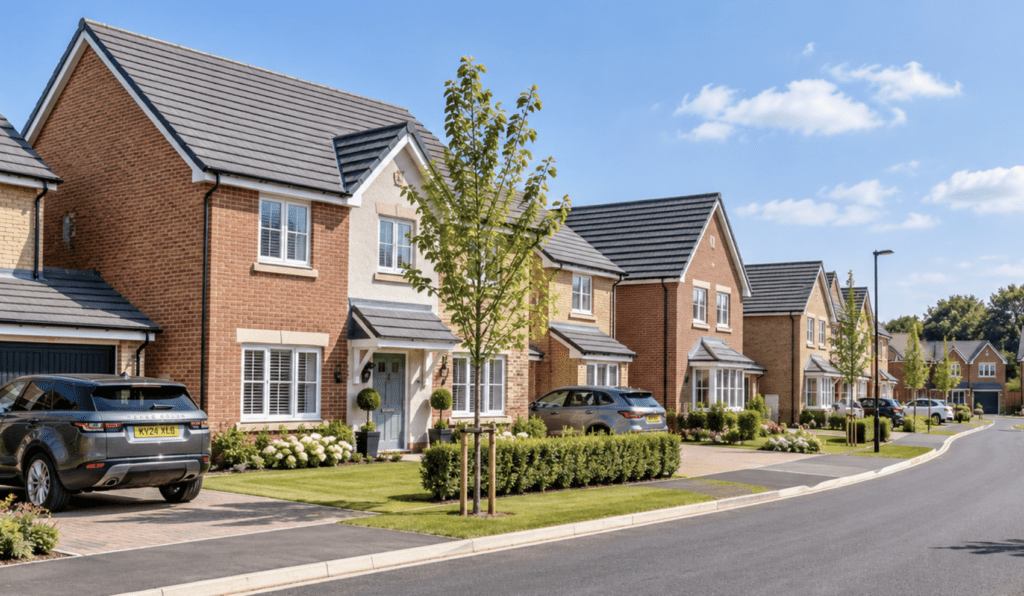
Without an agreement, substantial work remains. A useful response should concentrate on delivery that can be measured and strengthened over time.
Governments should translate existing commitments into funded national action. That means clear responsibilities, milestones and policies that connect cleaner energy supply with reduced fossil fuel demand. Businesses and households need enough consistency to plan, while progress needs to remain open to scrutiny.
International finance should support both emissions reductions and adaptation. Projects need funding arrangements that allow them to proceed, and vulnerable communities need support that arrives in time to make a difference.
Businesses should bring climate risk into ordinary investment decisions. For a woodland enterprise, that may mean reviewing species suitability, operating windows and supply arrangements. For construction, it may mean assessing future temperatures and water risks before decisions become expensive to change. For manufacturers, it includes credible performance information and products suited to the applications in which they are used.
Households should receive practical advice that reflects their circumstances. Recommendations need to account for the building, its condition, available energy supplies and the needs of the people living there. Reducing wasted energy, preparing for heat and maintaining equipment are useful parts of a wider response.
These priorities show the work that can continue while governments seek a stronger international outcome. The relationship between action at different levels is important: individual projects need supportive policy, and national commitments need practical implementation.
The responsibility to act continues beyond Antalya
Our three earlier articles approached climate change through different subjects: the urgency of this decade, the future of firewood supplies and the performance of buildings. Together, they show how a global issue reaches the places where people live and work.
COP31’s failure to secure the Antalya Pact is a big setback. The existing commitments, technical work and voluntary initiatives provide foundations for further action, but the summit left a significant gap between what governments could agree and the response the climate challenge requires.
At Charlton & Jenrick, our sector’s conclusion is clear. We need to support informed heating choices, take the resilience of woodlands and buildings seriously, and communicate environmental performance responsibly. Those responsibilities sit alongside the much larger task of reducing global emissions.
The best response to disappointment in Antalya will be sustained action: credible national plans, investment that delivers measurable reductions and practical preparation for the climate risks already taking shape. The decisions made now will influence the homes we occupy, the resources we depend on and the conditions future generations inherit.