Keeping a home warm should feel simple: choose the right appliance, use it properly, and enjoy the comfort it provides. Yet many heating problems are not always caused by the appliance itself. They are caused by small, everyday decisions that gradually reduce performance, increase running costs, create more smoke, and put unnecessary strain on the system.
At Charlton & Jenrick, we know that efficient heating is not just about buying a modern ecodesign stove, gas fire or electric fire. It is also about how that appliance is used day after day. A well-designed Ecodesign stove, for example, can deliver excellent performance, but it still needs the right fuel, the right airflow and the right maintenance. The same principle applies across home heating: small habits can either help your system work beautifully or quietly waste heat and money.
Bad Decision 1 – Choosing the Wrong Wood
One of the most common poor heating decisions is burning wood that looks dry but is not actually ready to burn. Logs can appear dry on the surface while still holding too much moisture inside. When wet or poorly seasoned wood goes into a stove, a large amount of the fire’s energy is used to boil off water rather than heat the room. The result is a cooler fire, more smoke, more soot on the glass and more deposits in the flue.
This is especially important with modern Ecodesign stoves. These appliances are engineered to burn more cleanly and efficiently than older models, but they cannot overcome unsuitable fuel. If damp wood, treated timber, chipboard or household waste is burned, the stove will not deliver the clean, hot combustion it was designed for. The wrong fuel can mean less heat, more pollution, more maintenance and a poorer experience overall.
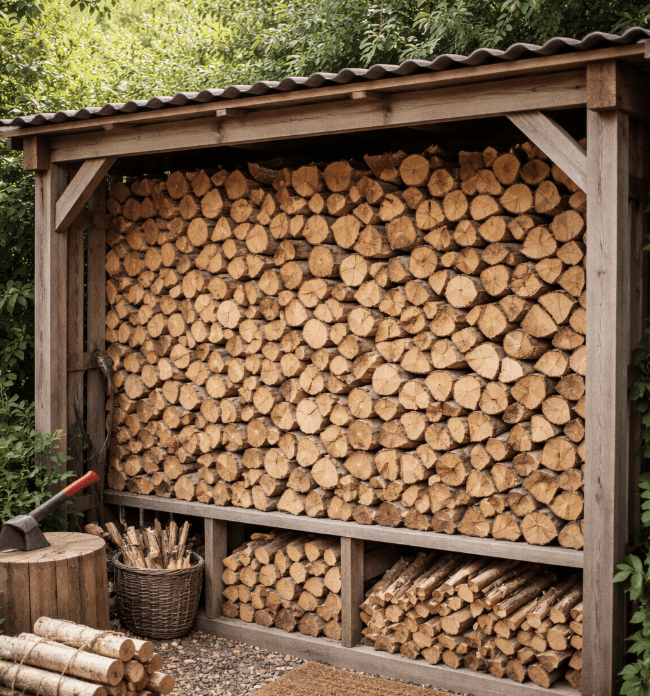
The better choice is simple: use properly seasoned or kiln-dried logs with a moisture content of 20% or less. A moisture meter is a small and useful investment for anyone who burns wood regularly, because it removes the guesswork. Dry wood burns hotter, cleaner and with far less hassle.
Bad Decision 2 – Treating an Ecodesign Stove Like It Can Fix Everything
Another mistake is assuming that a modern stove will automatically burn cleanly no matter what is put into it. Ecodesign stoves are excellent pieces of engineering, but they are not magic. They are designed to burn gases and particles more completely, producing more usable heat and fewer emissions, but only when they are operated correctly.
That means using the right logs, lighting the stove properly, allowing the fire to establish, keeping the chimney swept and following the manufacturer’s air-control guidance. When these basics are ignored, the appliance’s benefits are reduced. Over time, the symptoms become familiar: blackened glass, reluctant fires, visible chimney smoke, tarry deposits, and a stove that feels harder to manage than it should be.
A good stove deserves good inputs. Feed it correctly, and it will reward you with better heat, cleaner glass, fewer chimney problems and a more enjoyable fire.
Bad Decision 3 – Closing the Air Controls Too Soon
It can be tempting to shut down the airflow on a stove in the hope of making the logs last longer. On the surface, this can feel economical. In reality, closing the vents too early often does the opposite.
Wood needs heat and oxygen to burn efficiently. If the fire is starved of air before it is properly established, combustion becomes incomplete. Instead of bright, lively flames, the stove may settle into a dull, smoky burn. This reduces heat output and increases smoke, soot and creosote.
The best approach is to let the stove reach a strong operating temperature before making controlled adjustments. Aim for a clear, active flame rather than a fire that is merely glowing. A slow, smoky stove is not a more efficient stove; it is usually a sign that useful energy is being wasted.
Bad Decision 4 – Letting a Stove Smoulder
Smouldering, sometimes called slumbering, is one of the worst ways to run a wood-burning stove. It happens when the fire is kept at a low temperature with limited air, producing a dull glow instead of clean flames. Some people do this overnight or when they want to stretch fuel for longer, but it creates a range of problems.

A smouldering fire produces less useful heat, wastes fuel energy and increases harmful emissions. It also encourages tar and creosote to form in the flue. This matters because creosote is sticky, flammable and capable of building up over time. In the worst cases, it can contribute to chimney fires.
The better decision is to run the stove hot and clean, using dry wood and enough air for proper combustion. Modern Ecodesign stoves help make cleaner burning easier, but even they can perform poorly if deliberately starved of air or loaded with wet fuel.
Bad Decision 5 – Ignoring Smoke
A smoking stove is not something to shrug off. Smoke spilling into the room, thick smoke from the chimney or a stove that struggles to draw properly are all signs that something is wrong. Smoke usually points to poor combustion, weak draft, unsuitable fuel, insufficient air supply or a maintenance issue.
Common causes include damp wood, a cold or blocked flue, negative pressure in the room, extractor fans pulling air away from the stove, poor chimney design, a damaged baffle plate or an overloaded firebox. These issues can reduce efficiency and, in some cases, create safety concerns.
If a stove smokes regularly, the answer is not to simply open a window and carry on. Check the fuel, check how the fire is being lit, make sure the air controls are being used correctly, and arrange for the flue and appliance to be inspected where needed. Regular sweeping and maintenance are essential parts of safe, efficient wood burning.
Bad Decision 6 – Blocking the Heat You Are Paying For
Not every poor heating decision involves fuel or controls. Sometimes the problem is the room itself. A sofa pushed too close to a heater, curtains hanging over a radiator, furniture blocking warm air movement or clutter around a fire can all reduce the amount of heat that reaches the room.
When heat is blocked, the appliance still uses energy, but the room does not benefit fully from it. That can lead people to turn the heating up, run it for longer or assume the appliance is underperforming. In reality, the heat may simply be trapped in the wrong place.
Creating space around heat sources is one of the simplest improvements a household can make. Let warm air circulate, keep vents clear, and think carefully about where furniture sits in relation to radiators, fires and stoves.
Bad Decision 7 – Heating Empty Rooms
Whole-home heating can be convenient, but it is not always the most efficient approach. Many homes waste energy by warming rooms that are barely used: spare bedrooms, occasional dining rooms, empty home offices or hallways that do not need to be kept as warm as the main living space.
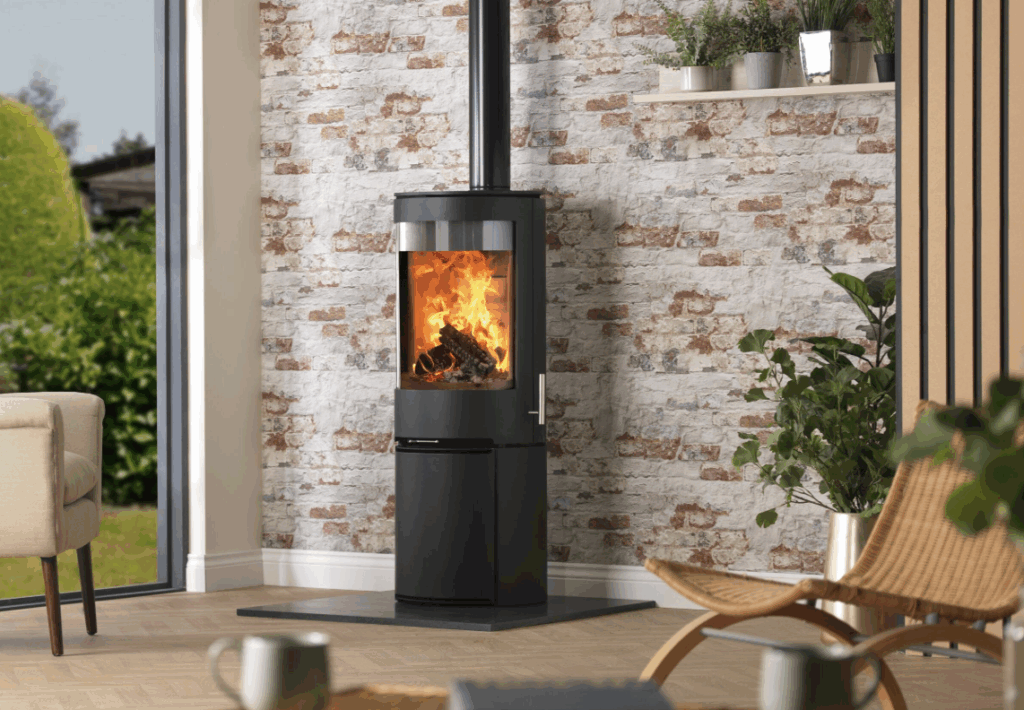
This is where zone-heating becomes useful. Rather than trying to heat every room equally, zone-heating focuses warmth where it is actually needed. That might mean using a wood-burning stove or electric fire in the living room while keeping central heating lower elsewhere. It might mean turning down radiators in unused rooms, using programmable thermostats or making better use of smart radiator valves.
Zone-heating is not about living in a cold house. It is about being more deliberate. Keep the spaces you use comfortable, reduce waste in the spaces you do not, and make sure cooler rooms still receive enough heat and ventilation to avoid damp or condensation.
Bad Decision 8 – Turning the Thermostat Up Too High
A very common heating myth is that turning the thermostat up high will heat a room faster. In most cases, it will not. A thermostat sets the target temperature; it does not make the system work at a magically faster rate. Setting it far above the temperature you actually want often means the heating runs for longer than necessary, leaving the room too hot and using more energy.
A better decision is to choose a sensible, comfortable setting and let the system do its job. Programmable controls, timers and smart heating systems can help, but they only save money when they are used thoughtfully. Heating should match how the home is lived in, rather than being run out of habit.
Bad Decision 9 – Overloading the Stove or Heater
More fuel does not always mean more useful heat. Overloading a wood-burning stove can restrict airflow between the logs, disturb the burn pattern and make the appliance harder to control. It can also increase soot and encourage uneven burning.
The same logic applies more broadly. Running a heater at full power for long periods may not be necessary once the room is already warm. A steady, controlled approach usually delivers better comfort and better efficiency than simply turning everything up or packing the stove as full as possible.
Follow the appliance manual, use the right size logs, leave space for air to move, and adjust output to suit the room.
Bad Decision 10 – Putting Maintenance Off Until Something Goes Wrong
Heating appliances rarely become inefficient overnight. Performance often declines gradually as soot builds up, seals wear, baffles move, firebricks crack, or small faults go unnoticed. Because the change is slow, many people adapt to poorer performance without realising they are getting less heat for the money they spend.

For wood-burning stoves, maintenance means sweeping the chimney or flue, checking the condition of seals, baffles, grates and firebricks, and acting quickly if tarry deposits or smoke problems appear. Gas appliances need routine servicing for safety and performance. Electric fires also benefit from cleaning, checks and sensible care.
Waiting until winter is often the worst time to deal with heating problems. Planning maintenance earlier in the year gives more choice, less pressure and a better chance of having everything ready before the cold weather arrives.
Bad Decision 11 – Leaving Heating On Longer Than Needed
Another expensive habit is simply leaving heat running after it has done its job. A room may already be warm, but the heating stays on. A fire may still be glowing long after everyone has gone upstairs. An electric heater may continue warming a room no one is using. Individually, these moments feel small. Across a heating season, they add up.
Timers, thermostats and smart controls can help reduce this waste, but awareness matters too. Ask whether the heat is still needed. Turn appliances down when the room is comfortable. Use heat where and when it is useful, rather than letting habit make the decisions.
Finally – a Good Decision! Better Heating Is Often About Better Habits
Bad heating choices are rarely dramatic. They are usually small decisions repeated over time: burning logs that are not dry enough, closing air vents too early, letting a stove smoulder, ignoring smoke, blocking heat sources, heating unused rooms or delaying maintenance.
The good news is that these are all fixable. With the right fuel, good airflow, regular servicing and smarter use of heating controls, most households can improve comfort, reduce waste and get more from the appliances they already own. And when the time comes to upgrade, choosing a modern, well-designed appliance makes efficient heating even easier.
At Charlton & Jenrick, we believe warmth should be enjoyable, efficient and properly controlled. Whether you choose wood, gas or electric, the best results come from matching the right appliance with the right habits. Do that, and your home will feel warmer, your heating will work harder for you, and fewer of your hard-earned pounds will disappear up the chimney.