Zone-Heating: A Smart Way to Save Money and Reduce Your Carbon Footprint.
As energy bills rise and the effects of climate change become more apparent, many homeowners are looking for ways to stay warm efficiently. One way to do this is by using a simple technique known as zone-heating, which only warms the parts of your home you’re using, and is an old idea making a comeback.
The Climate Cost of Heating Our Homes
Home heating has significant environmental implications. Heating the UK’s 28 million homes accounts for about 18% of all UK greenhouse gas emissions, mainly from burning natural gas in boilers. Overall, roughly a fifth of the UK’s carbon emissions come from homes, a significant share driven by keeping our living spaces warm. All the carbon dioxide (CO2) from millions of boilers and heaters is released into the atmosphere, exacerbating climate change. The more fuel we burn to heat empty rooms, the more we contribute to global warming and extreme weather.
The UK has committed to net zero emissions by 2050, which means we must significantly reduce pollution from home heating. The government’s Heat and Buildings Strategy set a target to end the installation of new fossil fuel boilers by 2035. Alternatives such as electric heat pumps, heat networks, and possibly hydrogen are being explored to replace gas heating. In the meantime, reducing energy waste is essential. Emissions can also be lowered by improving energy efficiency (like insulation) to reduce how much heat homes need. This is where zone-heating comes in, using less energy by not overheating unused spaces.
What is Zone-Heating and How Does it Work?
Zone-heating means focusing your heating on specific areas (“zones”) of the home that you actually use, while keeping other areas cooler. Instead of treating the whole house as one uniform space, you heat room by room according to your needs. For example, you might keep the living room toasty in the evening while bedrooms and unused rooms stay at a lower temperature. Later, you warm the bedroom before bedtime while letting the lounge cool down. By not fully heating rooms you’re not occupying, you avoid wasting energy.
In technical terms, a zoned heating system uses multiple thermostats or controls for different areas. Modern smart heating systems make this easier; each zone or room can have its own thermostat setting, so you only use energy where needed. Many new UK homes are built with this in mind: since 2022, building regulations (Part L) require all new houses to have at least two heating zones (for example, separate controls for living and sleeping areas). In larger homes over 150 m², independent timing controls for each zone are used to further save energy. This regulatory push highlights the importance of zoning for efficiency; it’s now a standard practice in modern heating design.
Even without advanced new systems, you can practice zone-heating in your home. Most UK houses have central heating. Around 74% of households use mains gas central heating as their primary heat source. If you have radiators, check if they have thermostatic radiator valves (TRVs); these let you adjust the heat per room. By turning down radiators in rarely used rooms and closing the doors, you effectively create a cooler zone there, while living spaces stay warm. Only heating the room you’re using is the most economical way to heat a house, as there’s no wasted energy. It’s like turning off lights in empty rooms.
Of course, there’s no one-size-fits-all. If multiple people are home in different rooms, you might need more than one zone to be heated. In a very small or open-plan home, it could be impractical to isolate zones. But generally, the larger the home, the more you can save by zoning. Heating a large house all at once is like using one light switch for every room, inefficient and costly. Zone-heating lets you target your energy use, which is good for your wallet and the planet.
A Brief History
Ironically, zone-heating isn’t new; it’s how our ancestors heated their homes. Before central heating became common in the mid-20th century, British households often relied on a single fireplace or stove to heat a single room, typically the family living room. Other rooms, like bedrooms or hallways, were typically unheated or only warmed briefly with a small fire or portable heater. This was heating by necessity: fuel was expensive and heating technology was in its infancy, so families clustered around the one warm spot.
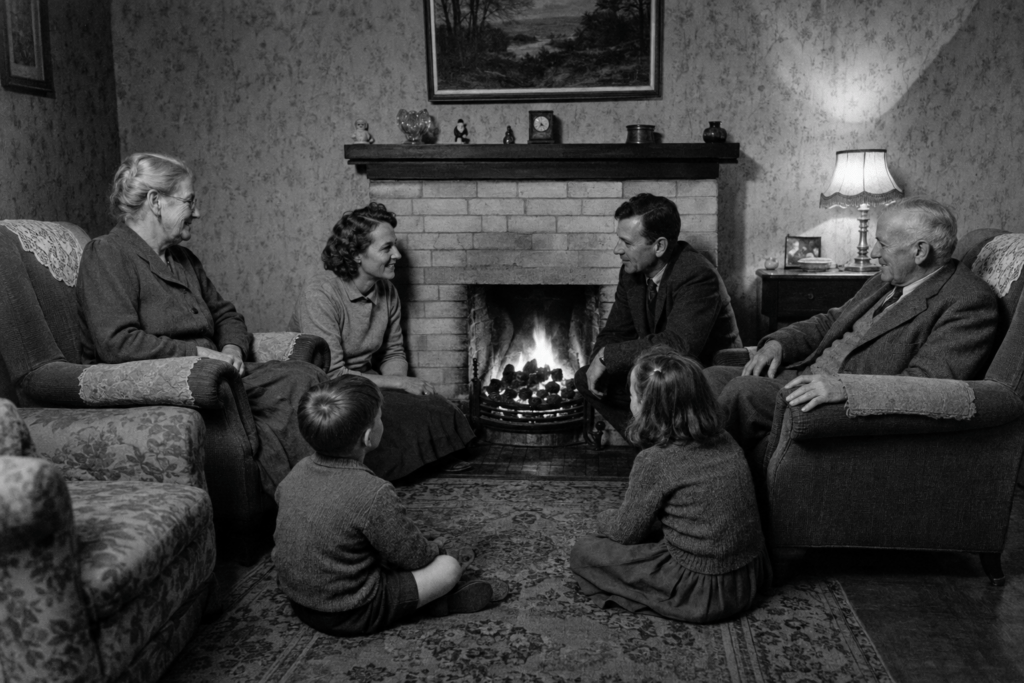
In 1950s Britain, just about still in living memory, the sitting room was kept cosy, with chairs pulled up close to the fire, while the rest of the house was freezing. At night, people relied on hot-water bottles, and if their home was equipped with such, a quick burst from a gas fire in the bedroom would be just enough to take the chill off. Even then, bedrooms remained “icy,” and windows iced over on the inside by morning.
In those days, families naturally practised zone-heating because they had no choice. They heated one room and did everything they could to keep that heat in, hanging thick curtains, using draught excluders, and wearing layers of clothing. The phrase “dress for indoors” meant wearing a sweater or even a coat at home. While we don’t romanticise those cold houses, this history shows that continuous whole-home heating is a modern luxury. We can learn from the past: if you’re willing to heat more selectively, you can dramatically cut energy use.
Benefits of Zone-Heating: Comfort, Savings, and Sustainability
Why consider zone-heating in the 21st century? There are two significant benefits: saving money and reducing carbon emissions. Plus, when done right, it can keep you comfortable where it matters most.
Lower Energy Bills: Heating is often the largest part of a home’s energy bill. In fact, about 62% of household energy use is allocated to space heating. By only heating the rooms you need, you use less fuel. This directly cuts costs. A common rule of thumb is that turning your thermostat down by just 1 °C can save up to 10% on your heating bill. Zone-heating essentially does this in a targeted way: you might keep unused rooms 3-5 °C cooler than your main living space. Over time, the savings add up. Just be sure unheated areas don’t drop to truly unsafe temperatures.
Smaller Carbon Footprint: Using less energy is not only good for your budget, it’s crucial for the climate. Every cubic metre of gas or kilowatt-hour of electricity you avoid using means fewer emissions. The Energy Saving Trust estimates that if everyone in the UK turned down their heating by 1 °C, it would save 3.5 million tonnes of CO2 per year.
Avoiding Energy Waste: It sounds obvious, but many of us don’t realise how much we overheat our homes. Zone controls or simply turning down spare-room radiators reduce this waste. By redirecting heat to where you actually want it, you significantly reduce waste. This can also extend the life of your boiler or heater, since it won’t have to work as hard to heat the whole property at once.
Customised Comfort: Another perk is personalised comfort. Perhaps you prefer a cooler bedroom at night for better sleep, or you have a room that’s always chillier and requires extra heat. Zoning lets you accommodate that. For example, you could keep the downstairs living areas at 20 °C during the day, but let the upstairs drop to 14 °C until the evening. Or, in a one-person household, you might only heat your home office and living room for most of the day, and barely heat other areas. Modern smart thermostats make this easy by allowing you to schedule different temperatures for different rooms at various times. The result is a home that matches your lifestyle.
Insulation plays a big role in making zone-heating effective. Well-insulated homes hold heat in the rooms you warm and prevent cold draughts from the others. Good insulation keeps the heat in, making it more feasible to heat only the space you’re using without losing too much heat to other parts of the house. Before drastically lowering the heat in any zone, ensure you’ve sealed drafts and insulated walls/lofts where possible.
How to Keep Warm Moving Between Zones:
One concern people have is feeling cold the moment they step out of their heated room. If your lounge is cosy but the kitchen is chilly, how do you cope? Here are some tips to stay comfortable while practising zone-heating:
Dress for the Transition: The simplest solution from old times still works, wear layers or at least a warm jumper. If you’ll walk from a warm living room to a cool kitchen, put on a cardigan or fleece. Warm slippers are great too; cold floors in unheated areas can chill you quickly, so insulate your feet. Basically, don’t expect to wear a t-shirt in one room and not feel the cold in the next; keep a lightweight sweater handy for roaming the house.
Use Portable Boosts (Carefully): For short periods in a cold room, consider using a portable heater to provide a quick burst of warmth. For example, if you need to use a chilly bathroom or work in an unheated spare room for an hour, a small electric fan heater or oil-filled radiator can take the edge off. Be mindful of efficiency and safety, only run portable heaters when needed and never leave them unattended. They use a lot of electricity, so they’re best for short tasks. Think of it like task lighting versus lighting the whole room.
Time Your Heating: If you know you’ll move to another room at a certain time, for example, bedtime or a scheduled work session in your study, schedule your central heating or smart thermostat to warm that room a little beforehand. Many heating systems allow scheduling by zone. For instance, set your bedroom radiator to come on 30 minutes before you go upstairs, so the room isn’t ice-cold. Smart radiator valves or programmable TRVs are great for this. This way, you’re not heating that room all day, just when you actually need it.
Leverage Passive Warmth: When you do heat a room, try to trap heat in it. Keep the door closed to that zone so the warmth doesn’t escape. Similarly, you can open curtains in sun-exposed rooms during the day to capture some free solar warmth, then close them at dusk to retain heat. This passive solar heating can slightly warm adjacent areas, too. Additionally, utilise heat from activities: running the oven can warm a kitchen, and a hot shower can warm a bathroom. Just ensure you vent moisture to prevent dampness.
Stay Warm Personally: Zone-heating is also about heating the person, not the space. Utilise things like heated throws or electric blankets when sitting, so you feel warm even if the air is cooler. At night, hot water bottles or electric blankets pre-warm the bed so you’re comfortable in a cooler bedroom. If your body is snug, a 1–2 °C cooler room temperature often feels fine. Many still swear by the hot water bottle, an old-school trick that’s still popular!
Mind Humidity and Condensation: One caution: colder rooms can get damp. When you drastically lower the heating in some areas, watch out for condensation on the walls or windows there, which can lead to mould. Make sure to give every room a bit of heat and ventilation each day. Even if you keep a room at say 12–15 °C most of the time, warm it up occasionally. A good strategy is to open internal doors once in a while to let warmer air circulate, or periodically turn the heating on low in unused rooms. This prevents any one area from becoming a cold, damp pocket.
By following these tips, you can move between zones without too much discomfort. Many people find they adjust quickly, it can even be refreshing to sleep or move in cooler air if you’re dressed for it, then return to a snug living space. The key is planning and a little adaptation.
Zone-Heating Strategies for Different Heating Systems
Gas/LPG/Oil Central Heating (Radiators): This is the most common setup. Make full use of your heating controls. Set the main thermostat lower overall, but use TRVs on radiators to keep primary rooms warm and others cooler. If you have a programmable or smart thermostat system (like Hive, Nest, Tado, etc.), explore adding additional thermostats or smart TRVs for multi-room control. Ensure your boiler timer is set only for times you need heat, and consider zoning by floor (e.g. many systems can have an upstairs and downstairs circuit). Close doors to contain heat in the area you’ve warmed. It’s worth bleeding radiators and balancing the system so that even on lower settings, rooms heat evenly where intended.
Electric Heating (Storage Heaters, Panels, etc.): Electric heaters are often room-specific by design. If you have storage heaters, charge only those in the rooms you use most, and keep others off or on low output. Modern electric radiators or panel heaters usually have thermostats, set bedrooms or lesser-used units to a lower temperature.
One benefit of electric heaters is that they’re 100% efficient at point-of-use (all electricity becomes heat), so you don’t lose efficiency by zoning; you just pay for the ones you turn on. Be mindful of the cost, though; electricity is more expensive per kWh than gas, so concentrating electric heating in one room can be cheaper than running multiple units throughout the home. Always follow the manufacturer’s controls to schedule and minimise usage.
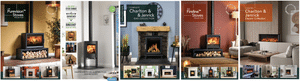
Below is a 4D Ecoflame electric fire, a traditionally designed fire which, among others in our range, is perfect for keeping a lounge, or any room for that matter, warm and cosy. Visit our full range of electric fires.

Heat Pumps (Air Source or Ground Source): Heat pumps are typically central (feeding radiators or underfloor heating) or multi-split (with several indoor air units). For central systems, the advice is similar to gas: use zone valves or smart controls to divide the home into zones. Heat pumps work most efficiently when maintaining steady lower temperatures, so you might not want extreme on/off in different zones. But you can still reduce setpoints in unused areas.
With ducted heat pumps or HVAC systems, you might have dampers that can direct warm air to certain zones. With ductless mini-splits, you inherently have a separate unit and remote control for each zone; simply turn off or lower the unit in rooms you aren’t using. Because heat pumps are very efficient (producing 3-4 kWh of heat per kWh of electricity), the cost of heating extra rooms is lower, but it’s still wasteful to heat empty rooms. So zoning makes sense with heat pumps, too, and most are built to facilitate such.
Underfloor Heating: Many modern installations have underfloor heating split by room or area, each with its own thermostat. Use those controls to set lower temperatures in halls or guest rooms. Keep in mind that underfloor systems have a slow response time, if you turn them off in a zone, it takes time to heat back up. So you might use setback temperatures (e.g., set to 16 °C in a little-used room rather than completely off) to avoid dampness or long reheating times. This still saves energy compared to maintaining a constant 20 °C. Proper insulation below the heating and around the zone edges is key, so you’re not leaking heat to unheated parts of the house.
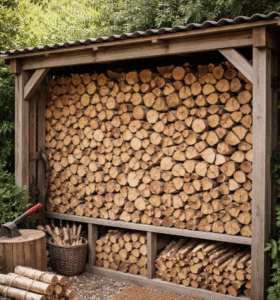
Wood-Burning Stoves: These are zone-heating by nature, a wood-burning stove mainly heats one area (usually the room it’s in). If you have a wood-burning stove in the lounge, you might use it as the primary heat source there and keep your central heating off or low in that room, while letting the rest of the house be cooler. Many people enjoy the cosy, radiant heat of a stove; just remember that the other rooms will likely stay much cooler. You can employ some of the old tricks: open doors strategically if you want to let stove heat spill into adjacent rooms, or use fans to push warm air around, for example, a quiet fan at floor level pushing cool air towards the stove can cause warm air to circulate out. Always operate fireplaces safely and keep chimneys swept.
Below is a Woodtec FCS cylindrical stove from our range of ecodesign wood-burning stoves. Not only does this create a focal point in a room they are also ideal for zone-heating with its 5kW output and 82.5% efficiency. Learn more about this stove.

Other Systems: If you use electric heat pumps (ductless) as mentioned, just operate fewer indoor units. If you rely on portable LPG heaters or electric fan heaters, treat them as point sources, only turn them on in the occupied space. District heating or communal heating setups (less common in homes, more in flats) may have fewer individual controls, but you can still manually turn down radiators in rooms you don’t need. Hybrid systems, like a gas boiler and electric heat pump, can be optimised by only running the appropriate system in the zone where it’s most efficient. For instance, use a high-efficiency electric heater for a single room rather than firing a whole-house system for a small demand.
Giving Zone-Heating a Try:
This winter, consider giving zone-heating a try. Start by turning down the radiators in rooms you rarely use, or setting up a programmable schedule that works with your daily routine. Pile into the living room with your family on a cold evening, and don’t worry if the spare bedroom is a bit cool. With some planning and the tips outlined above, you and your family can keep cosy, zone by zone, knowing you’re also keeping costs down and doing your part for the climate.
View our range of:
Electric fires
Wood-Burning Stoves
Gas fires