If you own an Ecodesign stove, you own an incredibly efficient heating appliance. It’s designed to burn hotter and cleaner than older stoves, squeezing more heat from each log and sending much less pollution out of the chimney.
But there’s a catch. An Ecodesign stove isn’t automatically clean. It’s clean when it’s used properly, which comes down to two main elements:
1. Burning genuinely seasoned wood
2. Keeping your chimney swept
If you’ve ever thought that a bit of damp wood won’t hurt, or a few cardboard boxes are basically kindling, or even the chimney can’t be that congested… you’re not alone. Wood-burning stoves are satisfyingly simple. That’s exactly why it’s easy to miss the science happening inside the box.
Ecodesign Isn’t Magic. It’s Engineering.
An Ecodesign stove is built to burn gases and particles more completely than older models. It produces less smoke, fewer emissions and a greater heat output.
However, if you fail to burn correctly seasoned wood, or clean your chimney regularly, or decide to burn rubbish or unsuitable wood (chipboard, treated wood, etc.), you won’t be enjoying any of the benefits an Ecodesign stove can bring.
If the fuel is wrong, the burn is more polluting and less efficient. Full stop. The stove can’t out‑engineer physics.
Below is our Purevision 5kW Ecodesign stove.

Why Seasoned Wood Matters More Than You Think
Wet wood doesn’t burn – it boils.
Freshly cut wood or wood that is not fully seasoned contains a lot of water. When you put it in your stove, the first job isn’t to make heat; it’s to evaporate moisture. That takes energy.
So instead of a hot, clean fire, you get:
1. A cooler fire
2. More smoke
3. More unburnt particles
4. More sticky deposits in the flue
Burning unseasoned wood means the fire spends much of its energy boiling off water, lowering the firebox temperature. This produces more smoke (unburned hydrocarbons), which, in turn, increases flue condensation and accelerates creosote formation. It takes a lot of energy to turn liquid water into steam. The latent heat of vaporisation is about 2.26 MJ per kilogram of water, plus extra energy to heat that water up to boiling temperature.
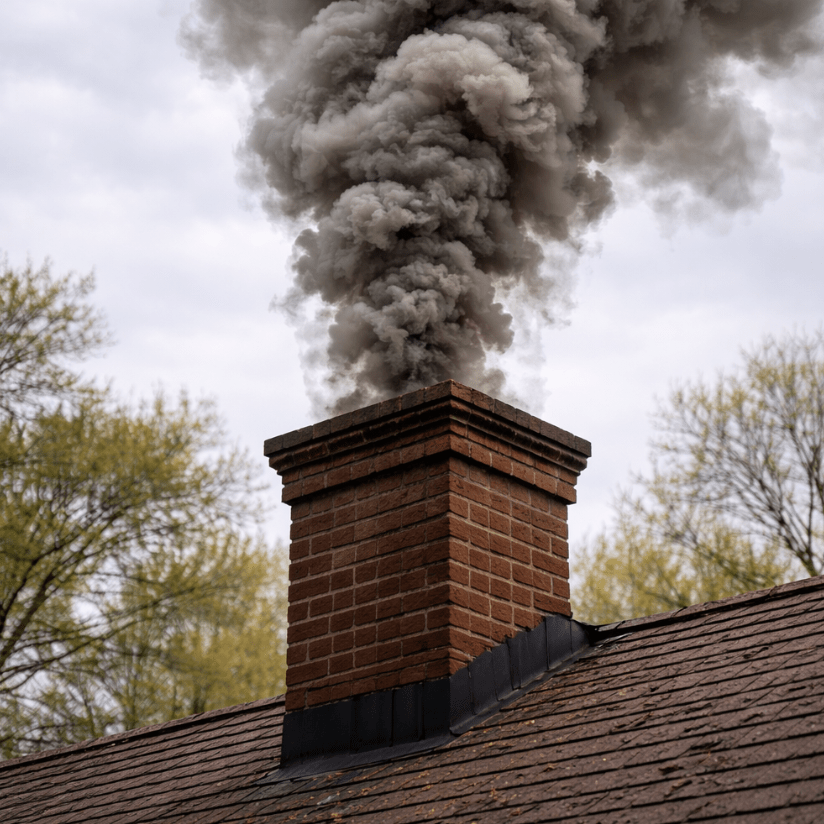
Smoke isn’t just that nice wood smell. Excessive visible smoke is essentially your stove not doing its job properly.
The smoke you see contains fine particles and other pollutants. These are the bits that contribute to poor local air quality, especially in still, cold weather when smoke hangs around at breathing height. The irony is that you bought a cleaner stove, only for damp fuel to turn it into an inefficient heating appliance. This is why wood-burning stoves get a bad press at times – it’s media misinformation combined with ill-informed stove owners.
Wet wood costs you more – and will cause you a lot more hassle.
Damp logs look like a bargain, but you pay in other ways:
1. You use more wood to get the same heat
2. The glass soots up faster
3. You spend more time coaxing the fire
4. Your flue gets dirtier quicker
Dry wood burns hotter, cleaner, and gives you more usable heat per log. It’s not just better for the environment, it’s better for your living room. Dry wood = less hassle.
“It’s Only a Bit of Rubbish” – The Myth That Causes Problems
It’s understandable. You’ve got a blazing stove. There’s some packaging. It seems efficient. But burning rubbish is where things go from a bit smoky to actively harmful.
Household waste isn’t fuel
Many everyday items contain glues, inks, coatings, plastics, or treatments. When burned, these can release unpleasant and often toxic compounds. Even things that look harmless, like glossy paper, painted wood, and laminated boards, can create fumes you don’t want in your house or your neighbourhood. Just because it burns does not mean it’s safe to burn. Your Ecodesign appliance is designed and tested for specific fuels.
The Chimney Problem: Out of Sight, Out of Mind.
With chimneys, you can ignore them for a while, right up to the time you can’t, such as when you have a terrifying chimney fire or experience the effects of carbon monoxide poisoning. When you burn damp wood or rubbish, you create more soot and creosote (a sticky, flammable, tarry substance). It coats the inside of the flue and can build surprisingly quickly.
A dirty flue can cause:
1. Poorer draw (fires are harder to light and keep going)
2. More smoke escaping when you open the door
3. More soot on the glass
4. Increased risk of chimney fires
5. Higher chance of fumes and carbon monoxide issues
Chimney fires can be:
Fast and loud: a roaring sound, sparks or flames shooting from the chimney top with intense heat.
Slow and quiet: a smouldering burn of deposits that may not announce itself dramatically but can still crack liners, damage masonry, or start hidden fires in roof spaces.
Both types are dangerous. Even a small chimney fire can compromise the chimney structure and increase the risk of a house fire later.
How to Tell if Your Wood Is Actually Seasoned
A Moisture Meter – this is the best way to check the moisture level of wood. They’re inexpensive and take the guesswork out. You’re aiming for wood which is no more than 20% moisture, the kind that burns with lively flames, not sulky smoke.
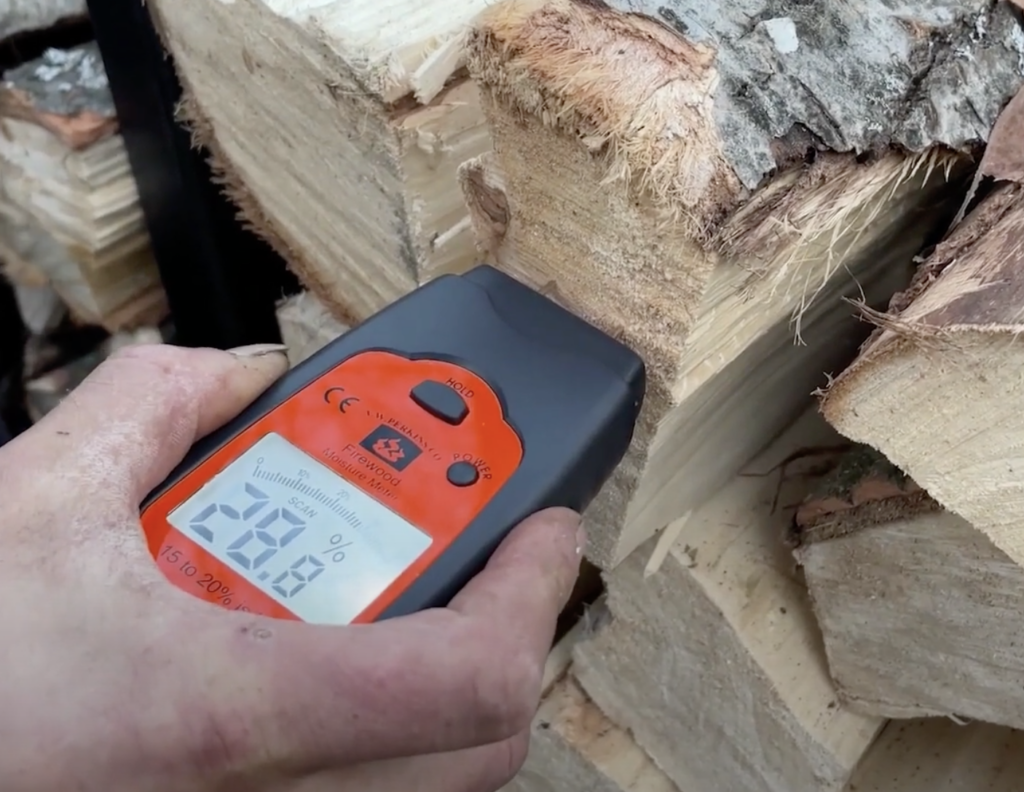
There are two primary types of wood moisture meters, each with unique features:
Pin-Type Moisture Meters
How They Work: Pin meters have two or more sharp probes that penetrate the wood to measure its electrical resistance. Moisture decreases electrical resistance, so higher readings indicate more moisture. These pin-type meters are considered the best for measuring moisture content in firewood.
Best For: Precise moisture measurements at specific depths.
Pros: Accurate and affordable.
Cons: May leave small holes in the wood surface.
Pinless (Non-Invasive) Moisture Meters
How They Work: These meters use electromagnetic sensors to measure moisture levels without penetrating the wood.
Best For: Measuring moisture in finished surfaces or delicate wood where penetration is undesirable.
Pros: Quick and non-destructive.
Cons: Slightly less accurate than pin-type meters for thick or dense wood.
How to Season Wood Properly
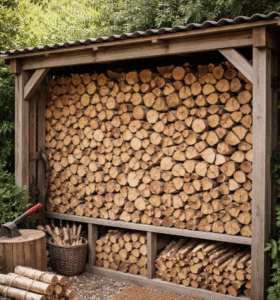
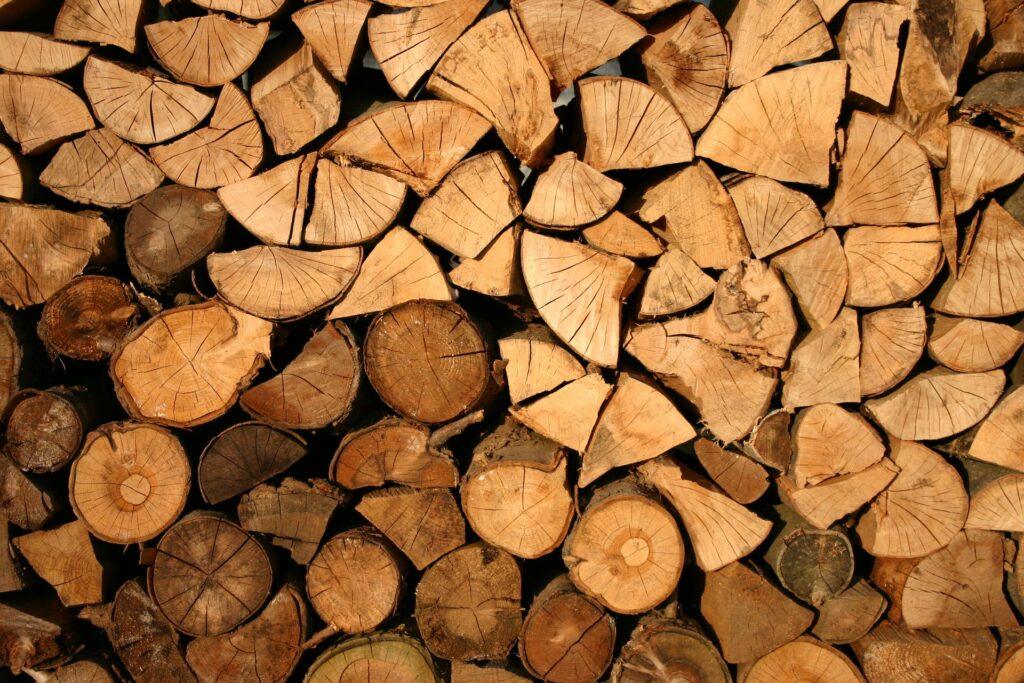
If you’re storing your own logs, the goal is simple: dry wood + airflow.
The Guide:
1. Split them early. Large logs dry slowly.
2. Stack them off the ground.
3. Let air move through.
4. Cover the top, not the sides. You want rain protection but side ventilation.
Be patient. Proper seasoning takes time. If in doubt, measure.
As a general rule, freshly cut wood to be seasoned should not be stored indoors. However, firewood should be bought inside one day before it is to be burnt. Outdoor woodsheds are ideal for storing wood, although not all households have the space for this. If you don’t have a woodshed, then make sure where you store the wood is in a dry, well-ventilated area, which is protected from dampness and rain. You should also allow air to be able to flow in, under and around the logs. Cross-stacking wood is best. Do not stack too high unless the wood is supported by a damp-free wall.
Car garages are not ideal for storing wood due to the fire risk. Firewood should also not be stored directly on top of the ground without supporting logs, as this can trap moisture. The key to successful storage and seasoning of logs is keeping them dry and ensuring adequate air circulation around them. In warmer months, such as summer, seasoning speed increases due to higher temperatures.
The Clean Burn Habits That Make a Huge Difference
Even with dry wood, how you run the stove matters. A few small tweaks can reduce smoke and boost efficiency.
1. A smoky start is still smoke. Use good kindling and enough initial airflow to get a fast, bright ignition.
2. Don’t smoulder the fire for hours. Slumbering the stove with barely any air might seem to save fuel, but it often results in a cooler, dirtier burn, more deposits in the flue, and more pollution. Ecodesign stoves work best when they can maintain a lively, efficient burn.
3. Use the right-size logs. Overloading or using excessive logs can make it harder to maintain temperatures. Aim for the size your stove manual recommends.
4. Watch the chimney. A quick glance outside can tell you a lot. A faint heat shimmer is ideal. Thick smoke means incomplete combustion, which is bad news.
A Reality Check:
You might be thinking that you’ve burned wet logs and a bit of rubbish before and nothing bad happened.” And you may be right. So far….
The tricky part is that the downsides often build slowly, which include the following points:
1. Deposits accumulate gradually
2. Efficiency drops bit by bit
3. The stove gets harder to run cleanly
4. Air quality issues are spread out and easy to ignore
An Ecodesign stove is capable of being genuinely impressive. But it needs the right inputs. Feed it properly, and it rewards you with more heat from less wood, clearer glass, fewer chimney problems, less smoke and a smaller carbon footprint.
That’s a win for your home, your neighbours, and your lungs.