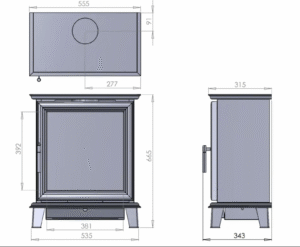
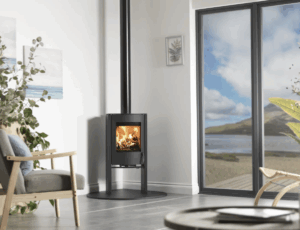
When temperatures suddenly plunge, as we have seen across the UK this week, heating tends to stop being optional. Your environmental impact from keeping warm, however, is still shaped by three things you can control: how much heat your home loses, how much space you heat, and how efficiently and cleanly your appliance turns fuel into usable warmth.
A cold snap is the perfect time to follow an energy hierarchy: cut heat loss first, then deliver heat precisely where you need it.
Understanding Efficiency:
For some, dealing with a cold snap is not always affordable, as they may not be able to cover the costs of higher temperatures or longer periods with the heating on. From 1 to 26 October 2025, ONS survey data show 57% of adults said they were often or always able to keep comfortably warm at home; but 22% said only some of the time; and sadly, 17% said occasionally, hardly ever, or never. That’s over 40% who, to varying degrees, struggle to keep warm. While this article mainly focuses on the greenest ways to keep warm, much of the advice will also save you money, demonstrating the many advantages that come with understanding efficiency.

Below are a number of insights that can help improve the efficency and lower the carbon footprint of your home, not just during a cold snap but any time it gets a little cold.
Foundations that make any heating appliance greener and more efficient
1) Eliminate drafts – the fastest comfort upgrade
a. Often, wind-driven air leakage can empty a room’s warmth faster than the heater can replace it. Adding weather-strips to doors and windows helps, as does sealing gaps around pipes and loft hatches.
b. If you have an unused open fireplace or chimney, block the flue temporarily; warm air disappearing up a chimney acts like a permanent extractor fan.
2) Treat windows as a switch: open for sun, close for insulation
a. Open curtains/blinds on bright winter days to capture free solar heat, then close them at dusk to keep warm indoor air from escaping through the cold glass.
b. Keep curtains from covering radiators, which can let heat escape straight through the window.
c. A removable secondary-glazing film on older windows can reduce drafts and cold downdrafts for the season, then peel off when spring arrives.
3) Zone heat and gently mix the air
a. Heating one warm room well is more often than not a great deal greener than heating the entire house to one temperature.
b. Close doors and concentrate the evening heat where you sit.
c. Use gentle air mixing so heat doesn’t pool at the ceiling: a ceiling fan on low (winter mode) or a small fan in a doorway pushing cooler air toward the heat source room can improve comfort without extra fuel.
4) Warm people efficiently
a. A small change in clothing often saves more energy than a big change in thermostat settings.
b. Layer (base and an insulating mid-layer).
c. Use a heated throw or mattress pad for direct warmth (especially if your electricity is low-carbon).
d. Keep humidity comfortable; very dry air can feel colder, but avoid excess humidity that causes condensation and mould.
Air quality and safety: the green essentials people often forget
In a cold snap, it’s tempting to improvise, but safety and air quality are part of sustainability. Any combustion heat (wood or gas) needs correct venting: never use barbecues, camping stoves, patio heaters, or generators indoors, and don’t block required air vents in the hope of stopping drafts. Install and test carbon monoxide alarms. If you’re experiencing heavy window condensation, use spot ventilation and reduce moisture sources; damp, mould-prone homes often need more heat. For electric fires, keep air intakes/outlets clear and clean any dust filters to ensure accurate airflow and thermostats.
Wood-Burning Stoves:
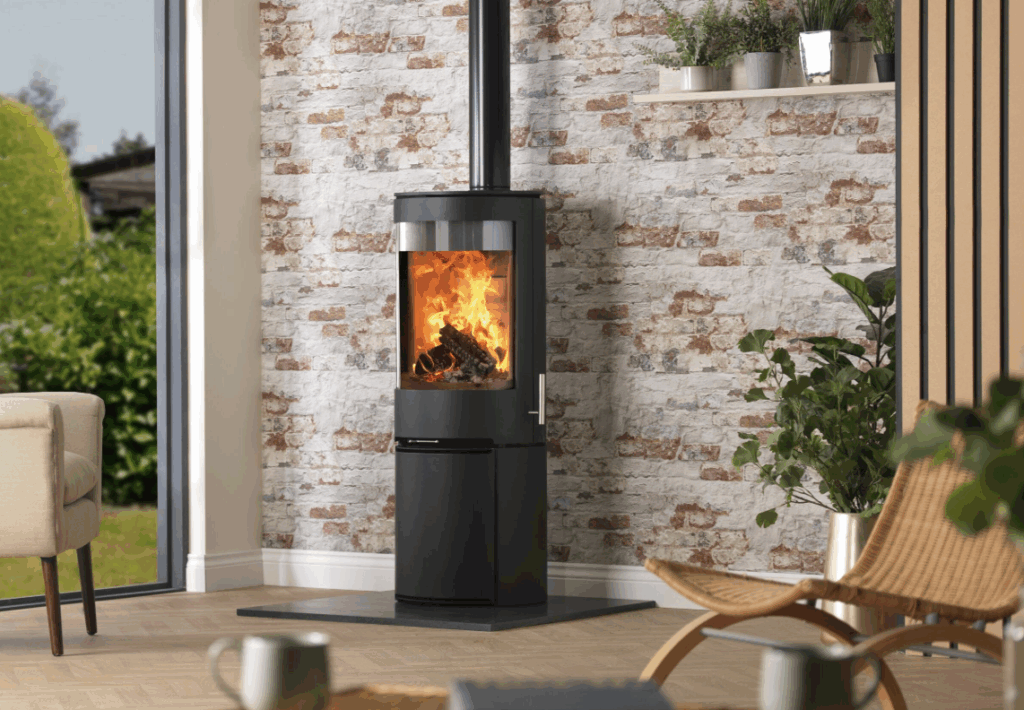
Wood‑burning stoves: eco-friendly warmth without the smoke
A wood-burning stove can provide resilient, powerful heat in the cold. Beware, though: smouldering fires emit far more particulates and creosote than hot, clean-burning fires. If you want wood heat to be as green as possible, make combustion clean and efficient. Never burn wet wood and always use an Ecodesign wood-burning stove.
Tip 1: Burn seasoned wood
a. Check a freshly split face with a moisture meter; aim roughly for 20% moisture.
b. Store wood off the ground, covered on top, with airflow on the sides.
c. Keep a small supply indoors, well away from the stove, with dry kindling. Fast ignition means less smoke and less wasted heat.
Tip 2: Light top‑down to reduce startup smoke
a. Stack larger logs at the bottom, then kindling and a firelighter on top. This warms the flue quickly and lets flames burn through rising gases more completely.
b. Start with air controls fully open.
c. Reduce air gradually only once the firebox is hot and stable.
d. If your stove sometimes struggles to draft in still, freezing weather, warming the flue first, following manufacturer guidance and local safety practice, can prevent smoke spilling into the room at ignition.
Tip 3: Avoid “slow and low” smouldering
a. Choking air to make a load last often increases pollution and reduces useful heat.
b. After refuelling, run hotter for several minutes to re‑establish clean flames/secondary combustion.
c. Aim for bright, active fire, not a dull, smoky glow.
d. Use a stove/flue thermometer to stay in the clean-burn range; it’s one of the simplest ways to cut soot and improve efficiency.
Tip 4: Load for airflow and right-sized output
a. Leave space between logs so oxygen can reach the burn.
b. If you’re upgrading, choose a modern Ecodesign stove correctly sized for your room. Discover more about finding the right-sized stove.
Tip 5: Maintain the whole system
a. Sweep the flue/chimney regularly; creosote is a fire risk and a sign of cooler, less efficient burning.
b. Replace worn door seals to ensure proper control of the burn.
c. Never burn treated/painted wood or household waste.
Electric Fires:

High‑efficiency electric fires: low-emission comfort through smart control
Virtually all the electricity from an electric fire is converted into heat in the room, and the climate impact depends on how your electricity is generated. Their biggest environmental advantage is control, easy, precise, room-by-room heating.
Tip 1: Use electric fires as a targeted comfort layer
a. Heat one occupied room, not the whole house.
b. Keep background heating just high enough to prevent freezing/damp, then heat up locally where you sit.
c. Solve cold spots – instead of increasing heat, move seating away from a drafty window, add a rug, and block as many drafts as you can. If you’re not fighting a cold downdraft, you’ll need less heater output.
Tip 2: Make the thermostat and timer do the work
a. Set a sensible temperature and let clothing/throws take the edge off if needed.
b. Use timers and auto-shutoff so the fire doesn’t run longer than needed.
c. A smart plug can add schedules and show energy use. Visibility and convenience are surprisingly powerful efficiency tools.
Tip 3: Pre‑heat for steadier comfort
a. Warm the room 20–40 minutes before peak use, then drop the output and let the retained heat keep you warm.
b. If you have solar energy, align that brief pre-heat with cleaner/free electricity hours.
Tip 4: Choose the right heat source (radiant vs fan-forced)
a. Radiant/infrared heat warms people and surfaces and can make a person feel comfortable, quicker at an initial lower room temperature.
b. Fan-forced convection warms air quickly but can feel drafty if it blows directly on you.
Gas Fires:

Gas fires: make a fossil fuel work as efficiently (and cleanly) as possible
Gas fires are responsive and convenient. The green goal is to avoid inefficient gas fires, use a gas fire as a targeted top-up heat source, and maintain the appliance for safe, efficient combustion.
Tip 1: Prefer room‑sealed, glass‑fronted models
a. A room-sealed (balanced flue/direct‑vent), glass-fronted gas fire typically retains more heat indoors and avoids pulling warmed room air up a chimney.
b. If your current fire is open-fronted, the biggest efficiency leap may be upgrading the appliance type rather than adjusting settings.
Tip 2: Heat the room you’re in, then turn it down
a. Use the gas fire for the occupied living space and keep other rooms cooler.
b. Run higher briefly to warm the room and surfaces, then step down to a low maintenance setting. Avoid the wasteful habit of medium-high all evening.
Tip 3: Use thermostatic/programmable control
a. Thermostatic remotes, timers, and setpoints reduce overshoot and unnecessary burn time.
b. Set your comfort point while seated and still. Setting it while moving around when you’re less likely to really pay attention to how you feel often leads to overheating later on, wasting heat.
Tip 4: Keep combustion efficient and indoor air safe
a. Service the appliance as recommended.
b. Keep vents/air inlets unobstructed.
c. Install and test a carbon monoxide alarm in appropriate locations.
d. Check for drafts around the surround and hearth when the fire is off; sealing small gaps can lower your overall heating demand during the cold snap.
Bringing it all together
In a cold snap, the greenest warmth comes from a well-insulated home plus targeted heating. Draft-proof first, use curtains and gentle air mixing, and warm occupants intelligently. Then: run wood-burning stoves hot and clean with reasoned wood, use electric fires with thermostats/timers, ideally on cleaner electricity, and treat gas fires as a carefully managed top‑up rather than an all-day default. Comfort doesn’t have to come with a climate penalty if you heat carefully.