Home heating keeps us warm and comfortable, but it also brings two significant responsibilities: ensuring safety and maintaining cleaner air. In the UK, these responsibilities are shaped by specific regulations and the country’s climate goals. This short guide explains why it matters.
Why safety and emissions go hand-in-hand
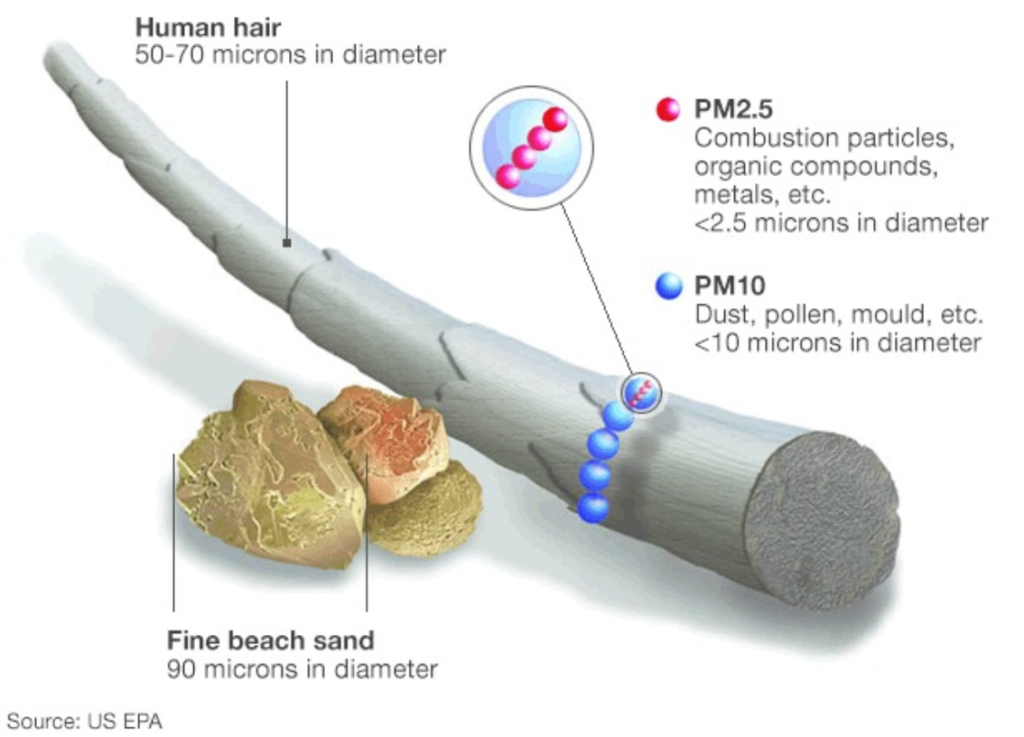
Poorly installed or inadequately maintained appliances pose serious risks in the home, as they can leak carbon monoxide (CO), a colourless, odourless gas that is extremely dangerous to health, or even start fires if faults go unnoticed. Beyond immediate safety concerns, the way we choose to heat our homes has a direct impact on both indoor air quality and the wider environment. Government statistics highlight a steady decline in emissions of fine particulate matter (PM2.5), which are microscopic particles small enough to penetrate deep into the lungs and bloodstream, causing respiratory and cardiovascular problems.
Despite this overall positive downward trend, domestic burning remains one of the largest single contributors to these emissions, indicating that household choices still have a significant impact. Even seemingly minor adjustments, such as switching to cleaner fuels or ensuring stoves are used properly, can collectively make a measurable difference to local air quality.
By 2023, levels of PM2.5 and PM10 (another category of particulate matter) had reached their lowest point since records began, marking a significant milestone in national air quality progress. Nevertheless, environmental and public health officials continue to underline the persistent contribution of domestic combustion, with wood-burning on non-Ecodesign stoves and open fires singled out as a factor in neighbourhood pollution spikes during colder months. For this reason, we stress the importance of not only selecting the correct type of fuel but also ensuring that appliances, such as Ecodesign stoves, are installed by professionals and operated in the most efficient way possible.
Choosing an Ecodesign-compliant wood-burning stove is increasingly recommended as a smart long-term decision, as these are engineered to meet stricter environmental standards, burn fuel more efficiently, and significantly reduce emissions compared to older or non-compliant stoves and open fires. By following these steps, households can reduce health risks, enhance safety, and contribute to cleaner air for their communities.
The climate perspective matters too. The UK electricity grid is decarbonising, which means the carbon impact of electric heating is decreasing over time. Independent analyses and National Grid ESO updates show record-low grid carbon intensities in recent years, as well as growing periods with very low-carbon power. While that doesn’t make all electric heating the cheapest option, it does mean that running efficient electric appliances cleanly has a positive environmental impact.
Gas fires: safety essentials and cleaner operation
It’s essential to use a competent expert when it comes to installing, servicing, and repairing gas appliances. Here are some key tips:
Use a Gas Safe registered engineer for installation and annual servicing. HSE advises that annual checks be performed on all gas appliances, flues, and pipework; landlords are legally required to arrange these checks, and homeowners are encouraged to do the same. Keep records and follow the manufacturer’s service intervals. Each year, in September, the Gas Safe Register runs Gas Safety Week, which is designed to raise awareness and highlight the importance of gas safety in the home. While it’s important all year round, September is when most households will switch on the heating, after having it switched off over the summer months. Gas Safety Week 2025 will run from Monday, 8th to Sunday, 14 September.
Ventilation, flues and alarms:
Don’t block permanent vents serving open‑flued or decorative fuel‑effect (DFE) fires; adequate combustion air and proper discharge are part of Approved Document J of the Building Regulations.
Fit audible CO alarms (to BS EN 50291) in rooms with combustion appliances. In rented homes, CO alarms are required by law in any living space with a fixed combustion appliance (excluding gas cookers). Homeowners are strongly advised to do the same.
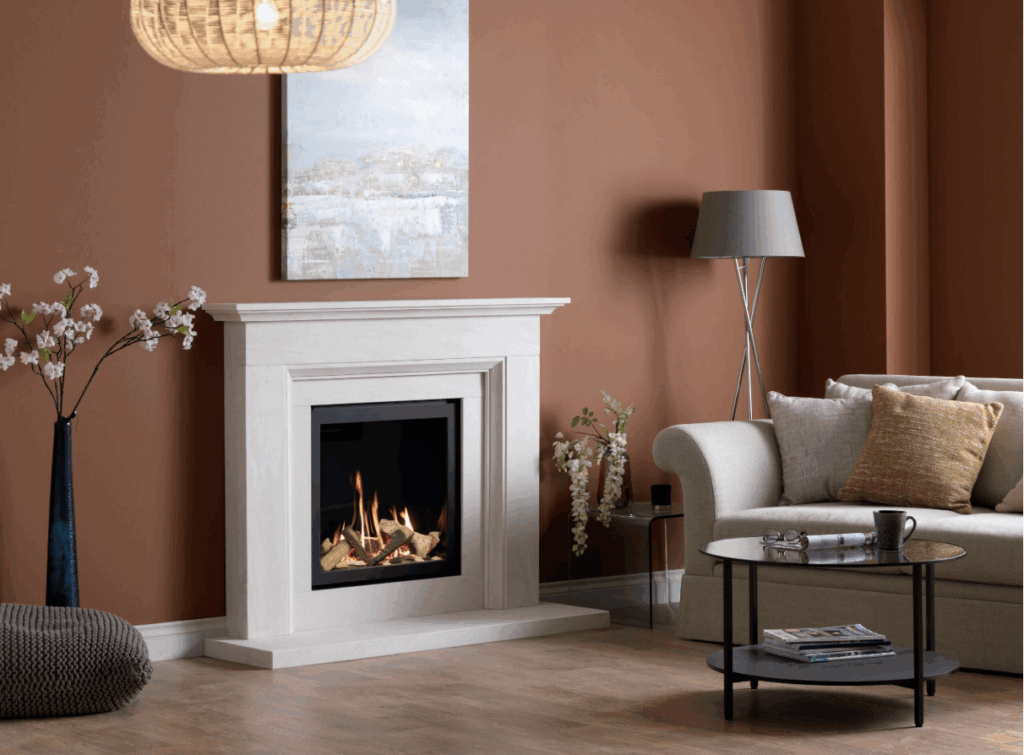
Choose cleaner, safer gas‑fire designs. Balanced‑flue, glass‑fronted gas fires are room‑sealed: they draw combustion air from outside and expel flue gases outside through a concentric flue. This design improves efficiency versus open‑fronted fires. If you’re replacing an older appliance, this is a straightforward upgrade that enhances safety and reduces emissions.
Operate for safety and efficiency:
Look for a stable, mostly blue flame. Yellow tipping on decorative flames is normal, but persistent sooting or strong yellow flames are warning signs. Stains around the appliance are also warning signs, as are unusual sounds and odours from appliances.
Keep the fire and flue clean, and address any spillage, testing, ventilation checks, and draught issues at service time.
Use thermostats and timers rather than running on full for long periods; only heating the room you actually occupy keeps gas use and emissions down.
Remember, burning natural gas carries a measurable CO2 footprint, another reason correct setup and efficient operation really do matter.
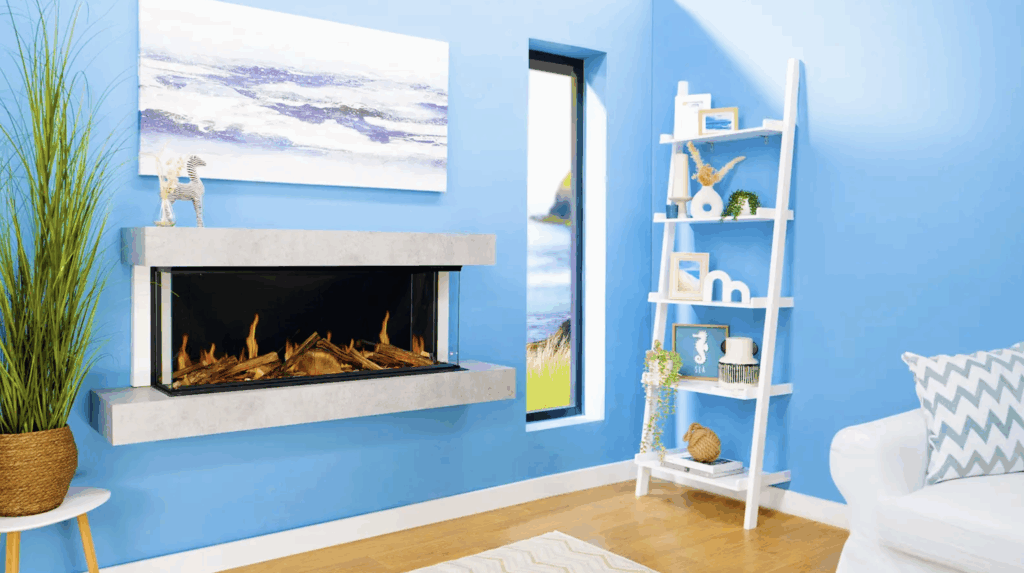
Electric fires don’t burn fuel indoors, so there’s no on‑site CO or NOₓ (Nitric Oxide) and no chimney to maintain. The main risks are electrical: overheating, overloaded sockets and proximity to combustibles. They also carry an indirect carbon footprint that reflects the grid mix, which is decreasing as the grid becomes cleaner.
Safer everyday use – Plug directly into a wall socket, not an extension lead or multi‑way adaptor. Many fire services and safety charities warn that heaters can overload extension leads and cause overheating. Keep the cable untangled and fully unwound on reels.
Keep clearances: at least a few feet from curtains, furniture and drying clothes. Never cover the appliance. Tip‑over and overheat cut‑out features are worth having.
RCD protection (30 mA) on the circuit adds a life-saving layer for fault conditions; Electrical Safety First promotes RCDs as a core home protection measure.
Don’t leave heaters unattended or running while you sleep. Switch off when not in the room.
Choose reputable brands and register your appliance so the manufacturer can contact you if a safety action is needed. Check the OPSS product recalls page if you’re unsure about a model.
Electric fires convert almost all the electricity they use into room heat. Efficient use (thermostats, timers, heating only occupied rooms) keeps running costs and emissions lower.
Wood‑burning stoves: minimise smoke, stay within the law
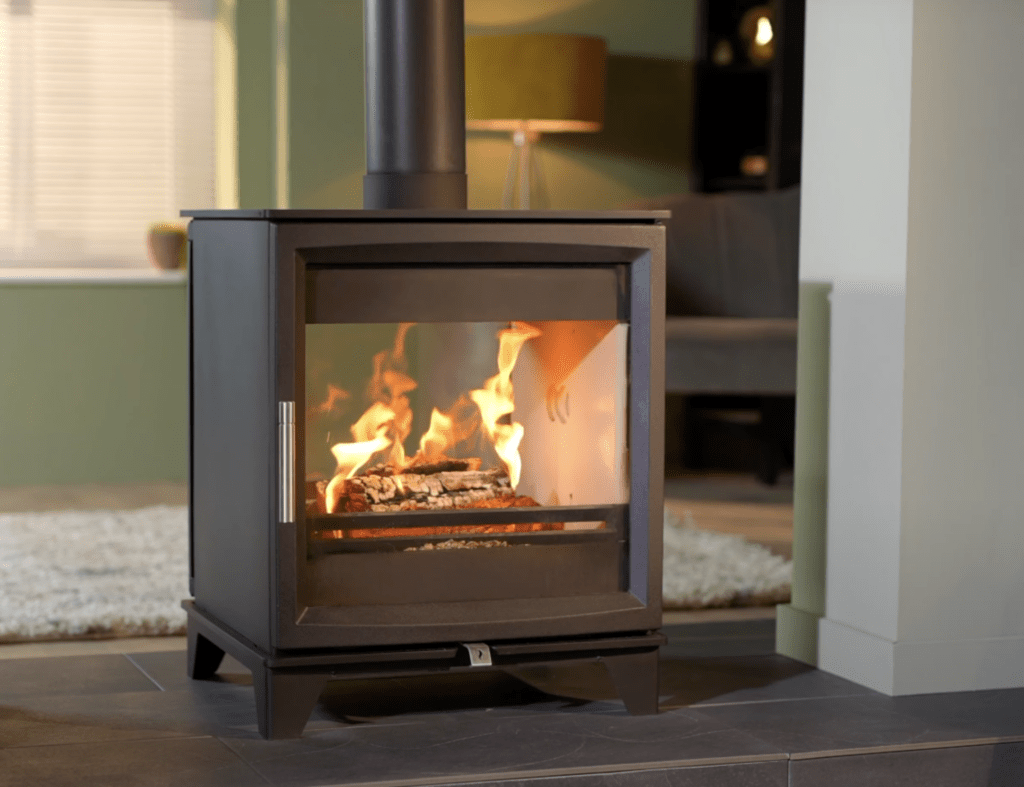
Ecodesign wood-burning stoves are the most efficient, cleanest way to burn wood. However, the correct fuel, proper operation, and regular maintenance are essential. Here are some key tips:
Know your area and the rules. Many urban and suburban areas are Smoke Control Areas (SCAs). In an SCA, you must not emit smoke from a chimney; you may burn only authorised fuels or use a DEFRA‑exempt appliance, such as those found in our range. Penalties apply if you don’t comply. Check your council or DEFRA’s map.
Buy and burn the right fuel – In England, the Domestic Solid Fuels Standards Regulations restrict the sale of wet wood and traditional house coal to reduce pollution. Look for the Ready to Burn logo on bagged firewood; it confirms that the firewood has less than 20% moisture. Using dry wood means less smoke, better heat and reduced tar build‑up in the chimney.
Unseasoned (wet) wood refers to firewood that hasn’t been properly dried or cured. Freshly cut wood, also known as green or wet wood, has a high moisture content, often as much as 50-60%, depending on the type of wood. When wood is seasoned, it is allowed to dry out over time, typically for 6-12 months, which reduces its moisture content to around 20% or less. Some hardwoodslike oak, can take upwards of two years to season. An alternative to seasoning wood is having it kiln-dried.
Choose Ecodesign:
From 1 January 2022, all new stoves sold in the UK must meet Ecodesign efficiency and emission limits.
Avoid slumbering (running the stove low overnight), which increases smoke and creosote; service regularly and sweep the chimney often during use. A moisture meter helps you verify log moisture. A wood moisture meter is a hand-held device that measures the amount of water present in wood. This is important because moisture levels can impact the strength, stability, and usability of wood.
Operate for cleaner air and safety:
Light fires with clean, dry kindling and plenty of primary air until the flue is warm; then adjust air controls for a bright, lively flame, not a smouldering one. Over‑tightening air starves combustion and spikes PM emissions.
Keep door seals and baffles in good condition, and consider using a stove thermometer to stay within the “best” operating zone indicated by your device’s guide. Too cool encourages creosote; too hot wastes fuel and stresses metal.
Fit audible CO alarms (BS EN 50291) in rooms with stoves; DEFRA’s leaflet explicitly calls this out as part of safe practice.
Essential Checklist:
Monthly:
Test CO alarms (BS EN 50291) and smoke alarms. Replace batteries or units when end‑of‑life warnings sound.
Visual checks: cabling (electric fires), flame appearance (gas), door seals and ash build‑up (stoves).
Seasonally (start and end of heating season):
Gas fires: clean surrounds; book your annual Gas Safe service, so the appliance is ready at the first cold snap.
Electric fires: dust intakes/outlets; confirm the plug isn’t hot after use; avoid extension leads.
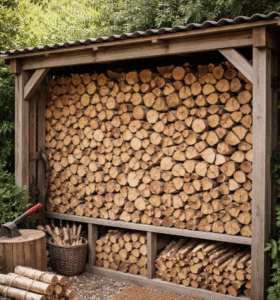
Wood stoves: sweep the chimney (often during heavy use); stock only Ready to Burn logs; store wood off the ground and covered, but ventilated.
Annually:
Review product recalls for electric heaters and fires, and register appliances so manufacturers can contact you about safety actions.
If you’re planning alterations, check that work complies with Approved Document J (combustion air, flues, hearth clearances). For electrical work like adding new spurs or circuits for built‑in electric fires, ensure Part P (competent person scheme) compliance.
A note on climate change and choosing your heating
Gas fires: modern, room-sealed, glass-fronted models can be efficient and clean-burning by gas standards, but they still emit CO₂ when in use. Use thermostats, zone heat only the rooms you occupy, and have the system serviced annually to keep the combustion process efficient.
Electric fires: zero exhaust in the room and improving lifecycle emissions as the grid decarbonises, an increasingly climate‑friendly way to top‑up heat in specific rooms.
Wood‑burning stoves: Ecodesign stoves emit the fewest particulates. The cleanest choice is often to burn less, burn properly dried fuel and operate the stove efficiently. In urban areas, always follow SCA rules.