A fire has always been about more than heat. It gives a room a centrepiece, creates atmosphere and brings a sense of comfort that few other home features can match. Whether it is the steady glow of a gas fire, the convenience of an electric flame effect or the authentic crackle of a wood-burning stove, the right fire can make a home feel warmer, calmer and more inviting.
For many homeowners, the choice now comes down to more than appearance. Running costs, installation, efficiency, environmental impact and the type of property all matter. This is especially true in modern homes and new-build properties, where insulation, airtightness and changing energy use have altered the way we think about heating.
Why are we drawn to fire?
There is something naturally calming about watching flames. Their movement is never completely still, but it is not overwhelming either. The gentle flicker, changing colours and soft glow can help create a relaxed, almost meditative atmosphere.
Research on fireside relaxation suggests that watching and hearing fire can promote feelings of calm and even develop social connection. This may help explain why fires have remained so appealing, even in homes with central heating, smart thermostats and modern insulation.
A fire also changes how a room is used. It encourages people to slow down, sit together and spend time in one place. In a busy household, that focal point can make the living room feel less like a passing-through space and more like somewhere to properly unwind.
Gas, Electric, Wood – What’s best for you?
There is no single best option for every home. The right choice depends on your property, how often you want to use the fire, whether you want it as a main heat source or a decorative feature, and how much maintenance you are happy to take on.
Gas Fires: Real flame, strong heat and everyday convenience
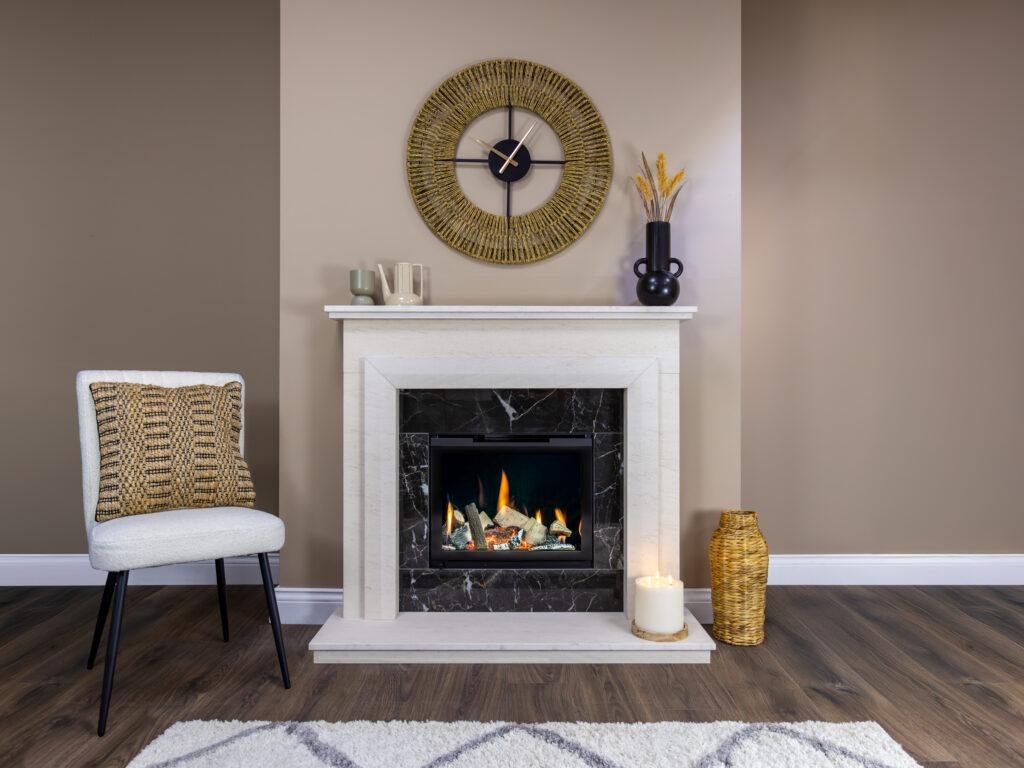
Gas fires remain a popular choice for homeowners who want a real flame, strong heat output, and simple control. They can warm a room quickly and are often well suited to larger living spaces or homes where the fire will be used regularly during colder months.
Modern gas fires are far more efficient than older open-fronted models, especially glass-fronted and balanced flue designs. Many also offer adjustable flame and heat settings, allowing you to create ambience without always running at full output.
At the time of writing, gas remains cheaper per kWh than electricity under the UK energy price cap, although actual running costs depend on your tariff, appliance efficiency and how you use the fire. That makes gas worth considering where heat output and regular use are priorities.
However, installation is more involved than electric. A gas fire requires the correct gas supply, suitable ventilation, and professional fitting by a Gas Safe-registered engineer. Ongoing servicing is also important, and homes with gas appliances should have working carbon monoxide alarms fitted in the correct locations.
Electric Fires: Flexible, low-maintenance and ideal for modern interiors
Electric fires are often the easiest option to install. Many require only a standard mains socket and do not need a chimney, flue or gas supply. This makes them a strong choice for flats, media walls, extensions and newer homes where a traditional fireplace opening may not exist.
They are also very low maintenance. There is no fuel storage, ash, chimney sweeping or annual gas service. Many electric fires can run the flame effect without heat, which means they can be used for atmosphere all year round, even in summer.
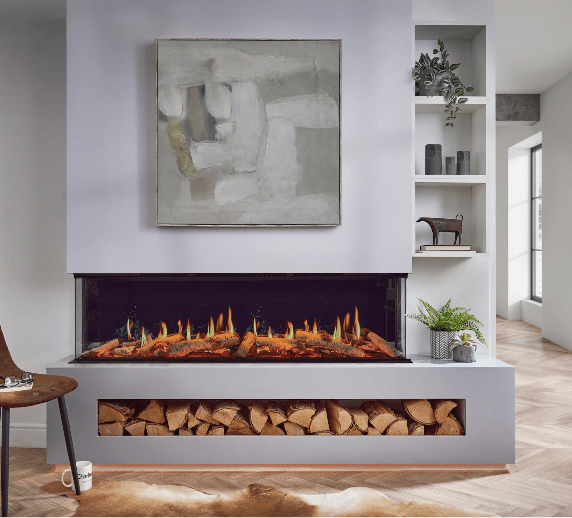
Electric fires are 100% efficient at the point of use because all the electricity used is converted into heat in the room. However, electricity is typically more expensive per unit than gas, so electric fires are often best used as supplementary heat or as a design-led feature rather than the main heating source for a large space.
Where electric fires really shine is flexibility. Modern flame technology, LED lighting, colour settings and slimline designs mean they can create a striking focal point in both traditional and contemporary homes.
Wood-Burning Stoves: Character, Independence and a natural focal point
For homeowners who want authenticity, a wood-burning stove offers a distinctive option. The real flames, radiant heat and physical ritual of lighting and tending the fire all add to the experience.
Modern Ecodesign stoves are designed to burn more efficiently and with lower emissions than older stoves and open fires. When installed correctly and used with properly seasoned or kiln-dried wood, they can provide effective heat while creating a strong visual feature.
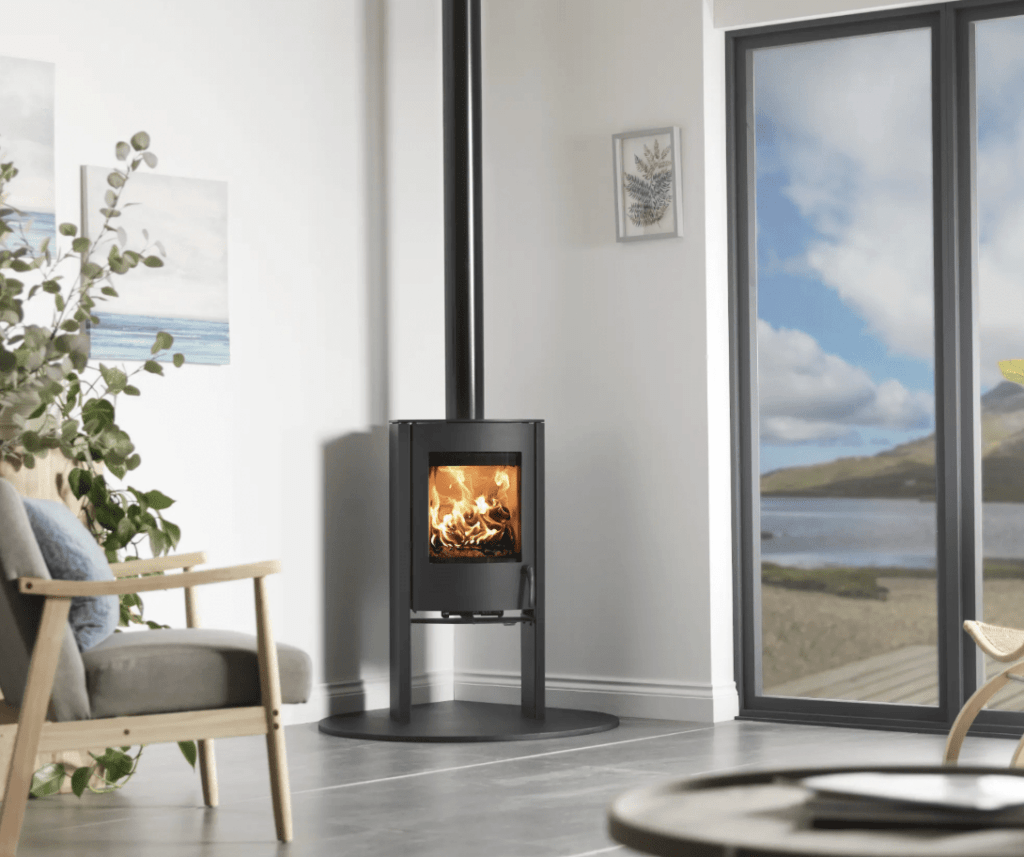
A stove can also provide a level of heating independence. In some homes, particularly in rural properties or areas regularly affected by power cuts, a wood-burning stove can provide useful backup heat without relying on the gas or electricity grid.
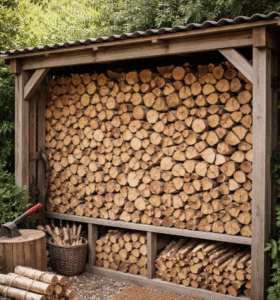
That said, stoves do require more planning. You need the right flue, suitable ventilation, safe clearances, space for dry wood storage and regular chimney sweeping. In smoke control areas, you must follow the rules on approved appliances and permitted fuels. A qualified installer should always assess the property before installation.
Why stove work in new build homes
It is easy to assume that wood-burning stoves only belong in older cottages or country homes, but many modern stoves can work well in new-build properties when specified correctly.
New-build homes are usually highly insulated and more airtight than older properties. That means they often need less heat to feel comfortable. The key is choosing a stove with the right output for the room rather than automatically selecting a larger model. In many cases, a lower-output stove is more suitable for a well-insulated living space.
Ventilation is especially important. Airtight homes and properties with mechanical ventilation systems may need a dedicated external air supply to support safe and efficient combustion. This should be considered early in the design or installation process.
A stove can also add character to a new-build home. Many modern properties are efficient and practical, but they can sometimes lack a natural focal point. A stove helps anchor an open-plan kitchen, dining or living area, giving the room warmth, atmosphere and a stronger sense of identity.
Making the right choice
Choose a gas fire if you want a real flame, high heat output, and convenient day-to-day use, and if your property can support the required installation.
Choose an electric fire if you want the easiest installation, low maintenance, flexible design options and flame effects that can be enjoyed with or without heat.
Choose a wood-burning stove if you want authentic flames, radiant heat, fuel independence and a more traditional fireside experience, provided your property is suitable, and the installation meets current regulations.
For many homeowners, the decision is not simply about heat. It is about how the room feels, how the fire will be used and what kind of lifestyle the appliance supports.
A good fire can transform a home. It can make a living room feel calmer, give a new-build more character, provide practical heat on cold evenings and create a natural place for people to gather.
The best option depends on your home, your budget and the experience you want. Gas, electric and wood-burning appliances all have their strengths. By weighing up installation, running costs, maintenance, regulations and visual appeal, you can choose a fire that looks right, works efficiently and brings genuine comfort to your home for years to come.
Discover the Charlton & Jenrick range of fires:
Gas Fires
Electric Fires
Wood Burning-Stoves