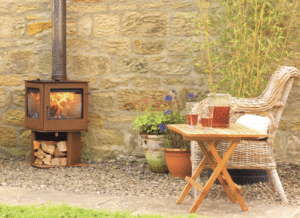
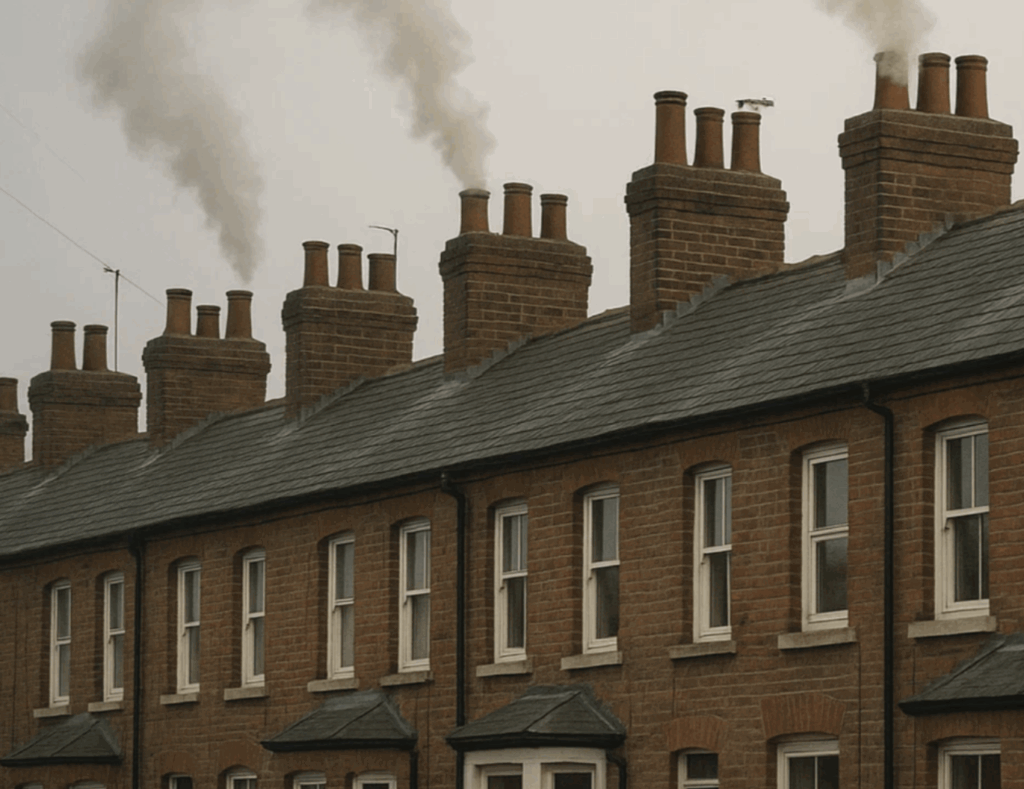
Smoke control areas (SCAs) are designated zones where the emission of smoke from chimneys is restricted to improve air quality. They were introduced in the mid-20th century in response to deadly urban smogs, and they remain a key tool for reducing pollution from home heating today. This article explains why SCAs were created, how they work, recent changes in the laws (and some controversies), examples of cities that use them, their pros and cons, and how modern Ecodesign wood-burning stoves fit into a cleaner air future.
Why Were Smoke Control Areas Introduced?
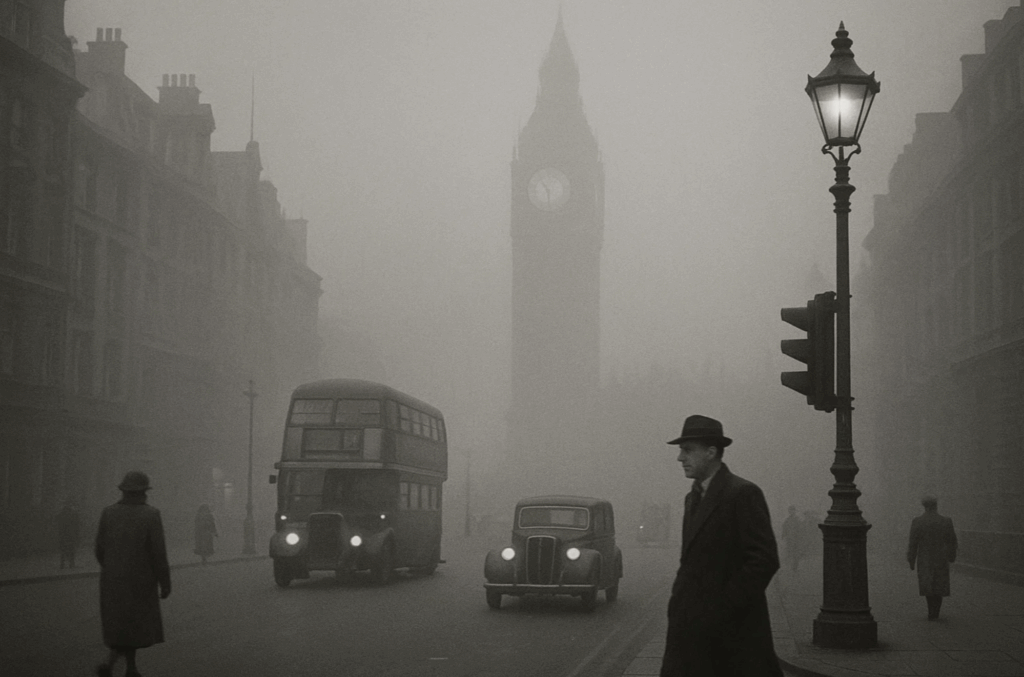
The concept of smoke control areas emerged after a series of toxic smogs in British cities. The worst was the Great Smog of London in December 1952, when coal smoke and fog blanketed the capital for days. This event alone is estimated to have caused thousands of deaths (around 4,000 in official counts, with some estimates as high as 12,000). Public outcry over these “pea-souper” smogs pushed Parliament to act. The result was the Clean Air Act 1956, a landmark law aimed at “clearing the smoke-filled skies” over Britain’s cities.
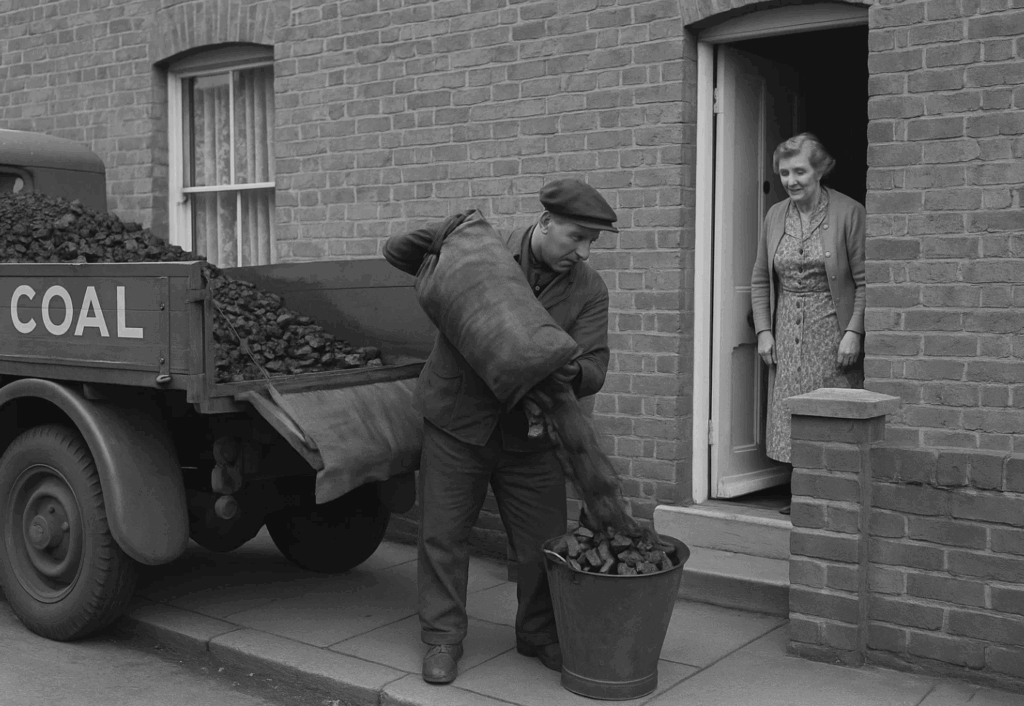
One of the Act’s central measures was to allow local authorities to create “smoke control areas.” In a smoke control area, emitting dark smoke from a chimney became an offence, unless you were burning smokeless fuels or using an approved appliance. In practical terms, this phased out the burning of ordinary coal in urban homes and encouraged a switch to cleaner fuels, such as coke, gas, or electricity. The government even offered grants to households to convert coal fireplaces to smokeless heating. The overarching purpose was simple: to maintain good air quality by limiting smoke pollution at its source – the household chimney.
How Do Smoke Control Areas Work Today?
Today’s smoke control areas operate on the same basic principle, though the rules have been updated and refined. Within an SCA, it is illegal to emit smoke from your chimney by burning unauthorised fuel. Households in these areas must use either an “authorised fuel” (a smokeless fuel approved by regulators) or an exempt appliance that burns fuel cleanly. This means if you have an open fireplace or a non-approved stove, you can only burn smokeless fuels (for example, anthracite or smokeless coal, or certain manufactured low-smoke fuel briquettes).
Wood and other ordinary solid fuels can be used, but only in approved “smoke-exempt” stoves or boilers that are engineered to burn them without producing significant smoke. These approved models are often referred to as Defra-exempt or Defra-approved appliances in England, and they have undergone tests to ensure they emit minimal smoke. The idea is to allow the pleasure of a wood fire or stove without fouling the neighbourhood air.
What happens if someone breaks the rules?
In England, local councils can issue fines or fixed penalties if you let your chimney spew smoke in a smoke control area. Under current law, you could face a penalty of up to £300 for emitting smoke, and up to £1,000 for burning unauthorised fuel in a non-exempt appliance. (These fines were updated in recent years – previously, councils had to prosecute offenders in court, but now they can impose civil fines more easily.)
Typically, councils will first try to educate residents who are spotted breaching the rules, advising them on proper fuel use or stove operation, and only resort to fines if the problem continues. For instance, in the newly expanded Oxford city SCA, the council noted it will initially work with households (and even help those in fuel poverty with grants to upgrade equipment) before issuing penalties. Still, the law gives teeth to the regulations if needed.

Examples of Smoke Control Areas Across the UK
Smoke control areas originated in the large, smoke-choked cities of the 1950s, but they gradually spread widely. London was a major early adopter – following the Great Smog, the city began establishing SCAs borough by borough.
Oxford introduced its first smoke control zone in 1958, just two years after the Clean Air Act. These initial zones targeted the most densely populated, worst-affected parts of the city. Over the years, Oxford ended up with a patchwork of 23 separate SCAs covering about 48% of the city. In 2024, recognising the gaps in coverage, Oxford City Council decided to expand its smoke control area to a single citywide area, ensuring 100% coverage of the city. This expansion (approved by the government’s environment secretary) took effect on 1 December 2024.
Smoke control areas aren’t only an English phenomenon. Scotland, Wales, and Northern Ireland also use them. The legal mechanisms are similar – local councils (or in NI, district councils) can declare all or part of their area as an SCA to restrict chimney smoke. For example, Glasgow and Edinburgh have long-standing smoke control orders covering much of the city areas. In Northern Ireland, Belfast and Derry have smoke control districts, as do many smaller towns, since peat and coal smoke have historically been an issue.
Recent Legislative Changes and Controversies
Air quality remains a hot topic, and smoke control laws have continued to evolve. In the past few years, several new regulations have been introduced to address domestic smoke and emissions, alongside some controversy about how far these rules should extend and how effectively they’re enforced.
One major change was the government’s decision to ban the most polluting fuels for home use. From 2021, sales of traditional house coal (bituminous coal) and unseasoned (“wet”) wood were phased out in England. By 2023, it became illegal to burn coal or wet wood at home in England. Only smokeless coal (anthracite or low-volatility fuel) and dry wood or pellets are allowed for domestic heating. Scotland and Wales have been considering similar restrictions.
As of 2024, they had not yet completely banned coal/wet wood outside smoke control areas, but these fuels cannot be burned inside SCAs in any part of the UK. The rationale is that wet wood and dirty coal produce excess smoke and PM2.5, so removing them from sale everywhere (not just in SCAs) helps clean the air. Indeed, burning wet wood not only creates more smoke but also wastes energy and clogs chimneys with tar.
Another big change has been the introduction of emission standards for wood-burning stoves. As of January 2022, all new wood stoves and multi-fuel stoves sold in the UK must meet Ecodesign regulations. The wood-burning stoves in the Charlton & Jenrick range have been Ecodesign-ready for a number of years, and well before the 2022 deadline.
Alongside these changes, the UK Environment Act 2021 updated enforcement provisions. It enabled local authorities in England to issue on-the-spot fines (as mentioned earlier) for smoke control breaches, streamlining what was previously a slow and cumbersome legal process. The government’s 2023 Environmental Improvement Plan for England also announced an intention to tighten smoke emission limits further, proposing to reduce the legal smoke limit for stoves in smoke control areas from 5 grams per hour down to 3 grams per hour, among other measures.
This would effectively require even cleaner burning in SCAs and possibly encourage the retirement of older appliances. The plan also discussed phasing out older, more polluting appliances in favour of newer ones over time, though specifics are still being worked out. It’s clear that domestic wood/coal burning is on regulators’ radar as an area for continued air quality improvements.
Advantages of Smoke Control Areas
There are strong public health and environmental advantages to smoke control areas:
Cleaner, Healthier Air: The primary benefit is reduced air pollution. By phasing out smoky fuels, SCAs dramatically cut levels of soot and harmful smoke particles in the air. After the first SCAs were introduced, cities experienced significant reductions in winter smog. This translates directly into health gains, fewer respiratory illnesses, asthma attacks, and premature deaths caused by air pollution.
Prevention of Smog and Soot Damage: Aside from human health, reducing smoke prevents the filthy conditions that were once present in cities. Buildings no longer get blackened by soot every winter, and visibility is improved. Urban fog is no longer laden with smoke as it was decades ago.
Encouraging Cleaner Technology: Smoke control areas have been a driving force behind innovation in heating. They created a market for smokeless fuels and for cleaner stoves and fireplaces.

Local Nuisance Reduction: Anyone who has lived next door to someone burning smoky fuel knows only too well that it can be a serious nuisance; smoke can drift into neighbouring houses, causing odour and irritation. SCAs assist residents and sets a standard that your neighbour simply can’t fill the street with smoke. This improves the quality of life in the community.
Supports National Emissions Goals: On a larger scale, reducing domestic smoke contributes to meeting national air quality standards (for PM2.5, etc.). The UK has legal targets for pollution reduction, and curbing one of the major sources (residential burning) is part of that strategy.
Disadvantages and Challenges of Smoke Control Areas
Despite their benefits, smoke control areas come with some challenges and potential drawbacks that are worth understanding:
Enforcement Difficulties: As noted, one practical challenge is that SCAs are only as effective as their enforcement. Monitoring who’s burning what in private fireplaces is tough. Many local authorities, due to limited resources, struggle to enforce the rules. The recent finding that only four fines were issued out of 5,600 complaints in a year across England highlights this issue. Some councils did not issue any penalties, despite hundreds of complaints about smoke.
Compliance Costs and Burden: For individual households, complying with SCA rules can involve extra costs or effort. For example, suppose you have a traditional open fireplace and live in a newly designated SCA. In that case, you effectively can’t use it for wood or coal unless you install a clean-burning stove or switch to pricier smokeless fuel. Installing a modern stove or boiler can be expensive upfront. Even using smokeless fuel (like manufactured briquettes or anthracite) often costs more than burning cheap bituminous coal or unseasoned wood.
Fuel Poverty and Rural Considerations: It’s important to note that many households, particularly in rural or remote areas, rely on solid fuels as an affordable heating source. A Scottish report highlighted that 79% of households using solid fuel as their primary heating source are located in rural areas, and nearly half of those households are considered fuel-poor. While rural areas often aren’t under SCAs (since smoke disperses more and population is sparse), any move to extend strict smoke rules must consider social equity. Even in towns, if low-income families rely on scavenged wood or cheap coal to stay warm, enforcing smokeless rules on them can be tricky.
Ecodesign Wood-Burning Stoves: A Cleaner Way to Keep Warm
For those who love the look of a real flame fire, Ecodesign wood-burning stoves have emerged as the perfect solution, gaining popularity in recent years. These stoves are designed to meet high standards of efficiency and low emissions.
What is an Ecodesign stove?
It is a stove that complies with the 2022 Ecodesign Regulation, meaning it emits significantly less pollution than older models. Specifically, Ecodesign stoves must keep particulate matter, carbon monoxide, organic gases, and NOx emissions below strict limits, while achieving at least 75% fuel efficiency.
In simple terms, this means they burn wood more completely, extracting more heat from each log and producing far less smoke for the heat generated. By law, since January 2022, any stove sold in the UK meets these criteria, so new buyers are automatically getting a cleaner appliance. Many stoves, including those in the Charlton & Jenrick range, also have a “clearSkies” certification level above and beyond basic compliance, indicating even lower emissions than required.

How much cleaner are they?
Independent tests have shown dramatic improvements. According to research by Kiwa (on behalf of the Stove Industry Alliance), a modern Ecodesign-compliant stove can reduce particulate emissions by around 80% compared to a typical older (non-compliant) stove, and by up to 90% compared to an open fireplace. In other words, replacing an open hearth with a new, highly efficient stove can reduce smoke emissions to a tiny fraction of what they were.
This is why even in smoke control areas, you are allowed to use a wood stove, as long as it’s an approved low-emission model. In fact, many Ecodesign wood stoves have been Defra-exempted for use in SCAs because their smoke output under proper use is negligible. To give a sense of scale: one industry analysis claimed that if everyone upgraded old stoves to Ecodesign models, total PM2.5 emissions from UK domestic wood burning could drop by nearly half. Moreover, Ecodesign stoves are much more efficient, often over 80% efficiency in converting fuel to heat, whereas an open fire is only about 20–25% efficient. This means you get the same warmth from far less wood, saving money and further reducing pollution.
Using them properly is absolutely critical. An Ecodesign stove’s lab performance assumes it’s being run with well-seasoned dry wood and plenty of air supply to burn efficiently. To truly get the clean-air benefit at home, users should follow a few best practices.
Maintain your stove and chimney.
Regular sweeping of the chimney prevents soot buildup that can both cause chimney fires and impede airflow. Also, ensure door seals and air vents on the stove are in good condition. A well-maintained stove will perform closer to its design specs, meaning cleaner burns and higher efficiency.
Use the right size appliance and operate it correctly. An oversized stove running at a low output will pollute more than a right-sized stove running hot. Follow the manufacturer’s guidance for best operation.
The government and industry have been promoting these tips under campaigns like “Burn Better” or local clean air initiatives. By following them, users can drastically reduce the smoke and emissions from their fires – in some cases, you’ll see no visible smoke from the chimney at all, which is the goal.
Ecodesign stoves, when operated correctly, enable people to enjoy the warmth and charm of a wood fire while significantly reducing the impact on air quality compared to traditional stoves or open fires. They represent a big step forward in combustion technology. If you live in a smoke control area, installing a Defra-exempt Ecodesign stove means you can legally burn wood without filling your area with smoke. You’ll be contributing to cleaner air and still get that cosy heat and glow. Authorities are not asking everyone to abandon wood burning entirely; instead, they are encouraging this shift to cleaner appliances and habits. By upgrading to an Ecodesign stove and burning only dry, clean fuel, a homeowner can reduce smoke emissions by around 80-90%, which is a win for both the environment and the user.
Learn more about the emissions generated when you burn wood – more info.
A Final Thought
Smoke control areas have been quietly protecting public health in the UK for over 60 years. They began as a response to a crisis, the killer smogs of the 1950s, and have evolved into a widespread system ensuring that our cities and towns aren’t choked by smoke each winter. The purpose of SCAs remains as relevant as ever: to keep the air clear of excessive smoke and harmful particulates, so we can all breathe easier. Recent laws banning dirty fuels and mandating cleaner stoves show a continued commitment to that goal, even as the nature of air pollution shifts from visible soot to invisible fine particles.
Smoke control areas across the UK have proven to be a crucial component in the clean air puzzle. With ongoing improvements, such as tighter standards and modern stove technology, they are likely to persist for years to come. They remind us that everyone has a role in cutting pollution: from the government setting standards, to local councils enforcing rules, to each of us making cleaner choices at home. By working together, we can keep our home fires burning and our skies clear.
Sources:
UK Department for Environment, Food & Rural Affairs – Smoke control area rules. Oxford City Council – Smoke Control Area expansion news. European Environment Agency – Case study: UK smoke control. The Guardian – Helena Horton, “Just four fines issued for wood-burning complaints…. The Guardian – Helena Horton, “Wood-burning stoves to be allowed in new homes…. Which? Consumer Guide – “Wood burning stoves: fines and regulations”. Scottish Parliament SPICe – “Wood burning stoves FAQs” (2024 update). Schiedel Chimney Systems – “Modern Ecodesign stoves reduce emissions by 90%”
Stove Industry Alliance – “Energy efficiency & Ecodesign stoves”