With energy prices still a major concern for many households, most people are looking for ways to stay warm without overspending. But while upgrading your heating system can help, the reality is that many homes are already losing efficiency simply through everyday habits.
Whether you use a wood-burning stove, gas fire, or electric heating, small mistakes can lead to higher bills, lower heat output, and unnecessary wear on your appliance. In many cases, these issues go unnoticed. You may still feel warm enough, but your system is working harder than it needs to, using more fuel or energy to achieve the same result.
Over time, these inefficiencies add up. What seems like a minor habit, leaving a heater running too long, using slightly damp logs, or blocking airflow, can quietly increase your energy costs and reduce the lifespan of your appliance. The result is not just higher bills, but also reduced performance and, in some cases, more frequent maintenance.
The good news is that improving efficiency doesn’t always mean investing in new equipment. By understanding a few common pitfalls and making small adjustments, you can often achieve better warmth, better control, and better value from your existing setup.
Here are ten common heating mistakes, and how to avoid them.
1. Burning Wood That Looks Dry, But Isn’t
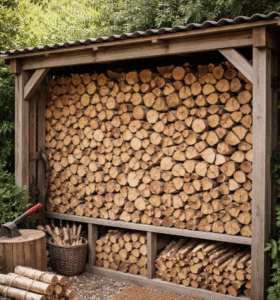
A major one we have mentioned many times in our blog posts. If you have a wood-burning stove, one of the biggest mistakes you can make is assuming that wood is ready to burn simply because it looks dry on the outside. In reality, many logs still retain a high level of moisture, especially if they have not been stored properly or seasoned long enough.
Wet or unseasoned wood produces less heat because so much of the fire’s energy is spent boiling off water rather than warming your room. It also creates more smoke, more soot, and more deposits in your flue or chimney. Over time, that means less efficient performance and more maintenance.
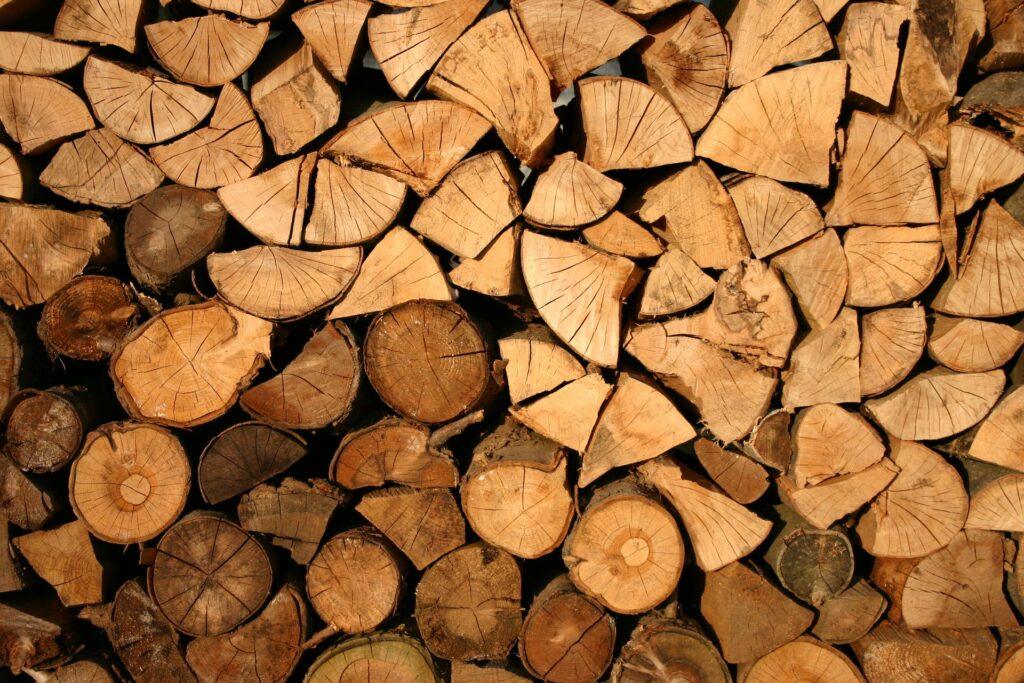
The solution is simple: always use properly seasoned or kiln-dried wood, ideally with a moisture content below 20 per cent. If you burn wood regularly, a moisture meter is a small investment that can make a real difference. Dry wood burns hotter, cleaner, and far more efficiently, helping you get the best from your stove.
2. Turning the Thermostat Up Too High to Heat the Room Faster
This is one of the most common heating myths in the home. Many people assume that if they turn the thermostat up to the maximum, the room will heat up more quickly. Unfortunately, that is not really how thermostats work.
A thermostat controls the temperature you want to reach, not the speed at which your system heats the room. Turning it up too high often means the heating stays on longer than necessary, wasting energy and leaving the room uncomfortably hot.
A better approach is to set your thermostat to the temperature you actually want and let the system do the work. Consistent, sensible settings are usually more efficient than dramatic changes throughout the day. If you have programmable heating controls, using them properly can also help you avoid unnecessary energy use.
3. Blocking Heat Sources Without Realising It
Sometimes the problem is not your heating appliance at all, but what is placed around it. Curtains hanging over radiators, sofas positioned too close to heating appliances, or furniture pushed in front of electric heaters can all stop warm air from circulating properly.
When heat is blocked, your appliance has to work harder to achieve the same result. You may still be paying for the energy, but you are not enjoying its full benefits. In some cases, blocked airflow can even compromise safety or shorten the appliance’s lifespan.
Take a look around your main heat sources and make sure they have enough space to perform properly. Keeping the surrounding area clear helps warmth move around the room more effectively, which can improve comfort without increasing your energy use.
4. Shutting Down Airflow on a Stove Too Early
Wood-burning stoves need the right amount of airflow to burn fuel efficiently. A common mistake is closing the air vents too early in an attempt to slow the fire down and make the logs last longer. While that might sound economical, it often has the opposite effect.
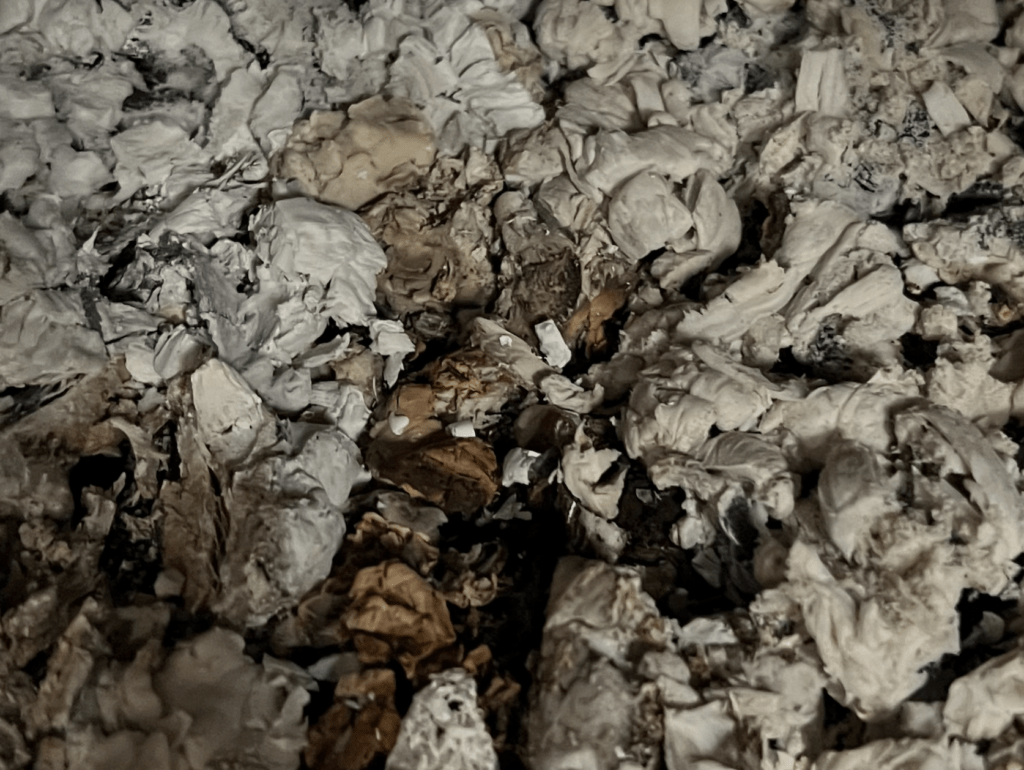
Restricting airflow too soon can cause incomplete combustion, which means more smoke, less heat, and a dirtier burn. It may also blacken the stove glass more quickly and increase the build-up of residues in the flue.
To avoid this, allow the fire to establish itself properly before reducing the airflow. Once the stove is burning well, you can make controlled adjustments to maintain an efficient burn. Learning how your specific stove behaves is one of the best ways to improve both performance and fuel economy.
5. Using the Wrong Fuel for the Appliance
Not all fuels are suitable for every heating appliance. Yet many people still burn or use whatever is available, often without thinking about the long-term consequences. In stoves, that might mean treated wood, painted timber, household waste, or other unsuitable materials. In gas and electric appliances, it can mean ignoring manufacturer guidance and using the appliance in ways it was never intended for.
The wrong fuel or incorrect use can reduce efficiency, create unnecessary emissions, damage internal components, and even present safety risks. It can also lead to additional maintenance costs or shorten the appliance’s lifespan.
The best course of action is always to follow the manufacturer’s guidance. Use approved fuels, burn only suitable materials, and resist the temptation to improvise. A properly matched appliance and fuel source will always perform better than one being used incorrectly.
6. Heating Rooms You Rarely Use
It is surprisingly easy to waste money heating parts of the home that are barely used. Spare bedrooms, little-used dining rooms, and empty home offices can all quietly absorb heat without giving much back in comfort or value.
This is where smarter heating habits can make a real difference. Instead of trying to heat the entire house all day, think about where warmth is actually needed. Zonal heating, where you focus heat in the rooms you use most often, can be a far more efficient way to stay comfortable.
Wood-burning stoves and electric fires can be particularly helpful for this, as they allow you to create warmth where you spend the most time. Even with central heating, adjusting radiator valves or time settings can help reduce unnecessary use. Heating your home more strategically often brings noticeable savings over time.
7. Neglecting Maintenance Until There Is a Problem
A heating appliance does not have to stop working completely to become inefficient. In many cases, performance gradually declines as soot builds up, parts wear down, or small faults go unnoticed. Because the change happens slowly, many homeowners simply adapt without realising they are getting less heat for the money they spend.
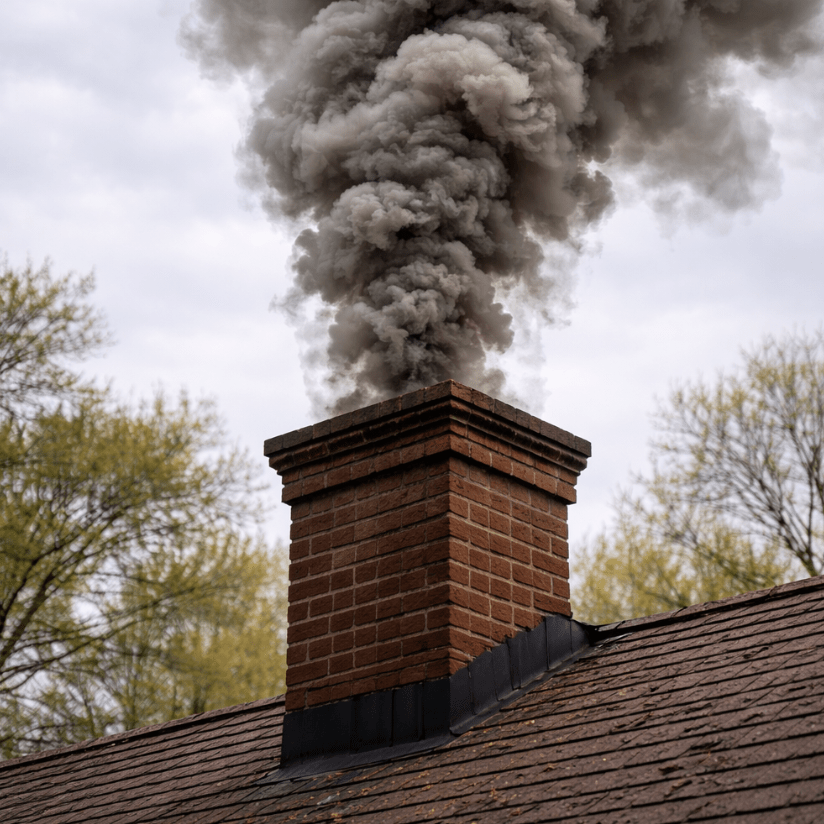
Regular maintenance is one of the simplest ways to protect efficiency. For wood-burning stoves, that means sweeping the chimney or flue and checking seals, firebricks, and baffles.
For gas appliances, routine servicing is essential for both performance and safety. Electric fires also benefit from occasional checks, cleaning, and general care.
Waiting until winter to deal with problems is another costly mistake. By that point, the appliance is needed most; service slots are harder to secure, and a small issue may already have become a bigger one. Preventative maintenance is usually cheaper, simpler, and far less stressful.
8. Overloading the Stove or Heater
When the weather turns cold, it can be tempting to overload a stove with logs or run a heater at full power for long periods in the hope of getting the maximum amount of warmth. But more fuel or more output does not always mean better efficiency.
With a wood-burning stove, overloading can reduce airflow, upset the burn pattern, and make it harder for the appliance to operate as intended. It can also increase soot deposits and lead to uneven burning. With electric or gas heating, constantly running at maximum settings can waste energy if the heat produced exceeds what the room actually needs.
Steady, controlled use is usually far more effective. A well-managed fire with the right amount of fuel often performs better than one that has been packed too tightly. The same principle applies to room heating more generally: matching output to the space and situation is usually more economical than simply turning everything up.
9. Leaving Heating On Longer Than Necessary
A warm home is important, but many households lose money by heating empty rooms or leaving appliances on after they are no longer needed. This often happens out of habit. A fire is left glowing after everyone has gone upstairs, or an electric heater continues running in a room no one is using.
Small periods of unnecessary use soon add up, especially over weeks and months. What feels like just another half hour can translate into a noticeable increase in energy costs over the course of a heating season.
Timers, thermostats, and smart controls can all help here, but even simple awareness makes a difference. Get into the habit of asking whether the heat is still needed. Use timers where available, reduce settings when a room is already warm, and switch off appliances once they are no longer serving a purpose. Comfort matters, but so does control. If you keep your heating on until you go to bed, which many people do, try to turn it off one hour before bedtime; the heat will stay in the room until you need to go to bed. These hours will all add up very quickly.
10. Waiting Until Winter to Think About Heating
For many people, heating only becomes a priority when the weather turns cold. That is understandable, but it is also one of the most expensive times to deal with inefficiency, repairs, or upgrades. When autumn and winter arrive, installers are busier, demand is higher, and problems need to be solved quickly.
Planning ahead gives you more options and often saves money. Spring and summer are ideal times to service a stove, arrange a gas fire check, stock up on properly dried firewood, or research a new appliance if an upgrade is needed. It is also much easier to make improvements to insulation, controls, or room layout before the heating season begins.
By thinking ahead, you avoid last-minute decisions and put yourself in a better position to stay warm efficiently when colder weather returns.
Final Considerations:
Keeping your home warm does not always require major changes or expensive upgrades. In many cases, it is the everyday habits that make the biggest difference. Burning the wrong wood, blocking heat sources, overheating unused rooms, or ignoring maintenance can all chip away at performance and push bills higher than they need to be.
The good news is that these mistakes are usually easy to correct once you know what to look for. Small changes in how you use your stove or heating system can help you enjoy greater warmth, greater efficiency, and better value from the energy you pay for.
It’s also worth remembering that efficient heating isn’t just about saving money, it’s about creating a more comfortable and consistent living environment. A well-managed heating system provides steady warmth, cleaner air, and a more enjoyable space to relax in, especially during the colder months.
By taking a little time to understand how your heating works and making a few practical adjustments, you can get far more from what you already have. Over time, these small improvements can add up to noticeable savings and a more reliable, better-performing system.
And when the time does come to upgrade, choosing a modern, well-designed appliance can make efficient heating even easier. Until then, getting the basics right is one of the smartest ways to make your home feel warmer without spending more than necessary.