A fire has always been more than a source of heat. It is the focal point of a room, a place to gather, and often the feature that gives a home its character. But in 2026, choosing a fire is no longer just about whether you prefer a real flame, a traditional fireplace surround or a sleek media wall. It is also about energy use, carbon emissions, changing weather, installation practicalities and how your home will perform in both winter and summer.
The UK’s recent weather has made this more relevant than ever. Hotter summers, heat-health alerts and rising concern about overheating are changing how we think about comfort at home. At the same time, energy prices remain a major household concern, and the shift towards lower-carbon heating is gathering pace. The best fire for your home is therefore one that suits your property, your lifestyle and your long-term approach to heating.
Start with the home – not just the fire
Before choosing among wood, gas, or electric, it is worth considering how your home retains heat. A well-insulated, draught-proofed property needs less energy to stay warm, keeps bills lower and is often more comfortable during hot weather too. Loft insulation, wall insulation, sealed gaps around windows and doors, good ventilation and well-set heating controls all make a noticeable difference.
This fabric-first thinking is especially important as homes become more airtight and efficient. In winter, the aim is to keep useful heat inside. In summer, the aim is to reduce unwanted solar gain and allow heat to escape safely. Shading, blinds, curtains, night-time ventilation and sensible room layouts can all help keep homes comfortable without immediately reaching for mechanical cooling.
Once the building is performing well, a fire can do what it does best: provide controllable warmth, atmosphere and a design feature that enhances the room.
Wood-burning stoves: real flames, resilience and responsibility
For many people, nothing replaces the look, sound and feeling of a real wood fire. A modern wood-burning stove can be a strong choice for cottages, period homes, rural properties and rooms with an existing chimney or inglenook. It can also offer a degree of heating independence, which remains attractive when energy prices are uncertain.
However, the key word is modern. Open fires and older stoves are inefficient and produce far higher levels of particulate emissions. Current Ecodesign stoves are designed to burn more cleanly and efficiently, while independent schemes such as clearSkies and HETAS Cleaner Choice help identify appliances that go beyond minimum standards.
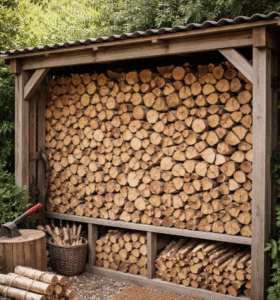
A wood-burning stove is best suited to homeowners who are willing to use it correctly. That means choosing the right output for the room, using only dry Ready to Burn wood, storing fuel properly, having the chimney swept, servicing the appliance and following local smoke control rules. In smoke control areas, you must use an exempt appliance and approved fuel.
Style-wise, wood-burning stoves work beautifully in traditional settings. An inglenook with brick or stonework, a simple beam and a flagstone hearth can preserve a property’s character while replacing an inefficient open fire with a much more effective appliance. In more contemporary homes, freestanding cylindrical stoves or clean-lined inset models can create a striking architectural feature.
Best for: period homes, rural properties, chimney breasts, inglenooks and homeowners who want real flames with responsible fuel use.
Gas fires: instant warmth and real-flame convenience
Gas fires remain popular because they offer real flames without the fuel storage, ash removal or lighting routine of a wood-burning stove. For households already connected to mains gas, a modern gas fire can provide fast, controllable heat at the touch of a button.
The most efficient gas options are generally glass-fronted or balanced-flue models. Glass-fronted fires help retain more heat in the room than open-fronted designs, while balanced-flue appliances are sealed from the room and can often be installed through an external wall, making them suitable for some homes without a traditional chimney.
Gas is still a fossil fuel, so homeowners thinking long term should balance convenience with carbon considerations. Hydrogen blending has been discussed in the UK gas network, and some modern gas appliances have been tested for hydrogen blends, but hydrogen for widespread domestic heating is not yet a settled route. For now, the practical appeal of gas is its controllability, familiar fuel supply and high heat output.
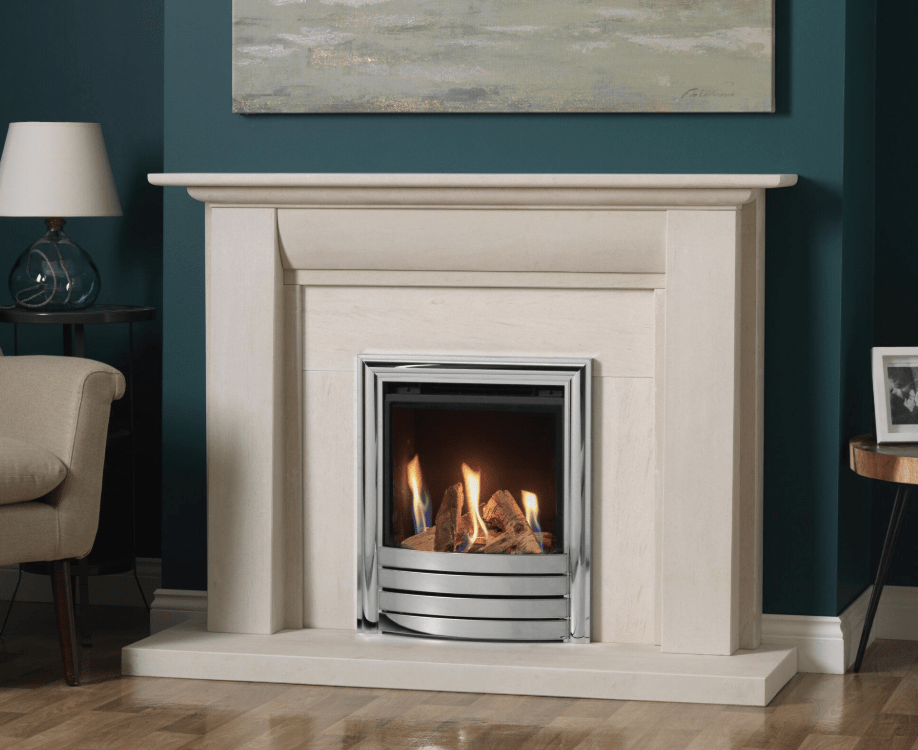
In design terms, gas fires suit both classic and contemporary interiors. A traditional gas fire with a cast-iron insert and marble surround can complement a Victorian or Edwardian room. A landscape balanced-flue gas fire installed hole-in-the-wall creates a cleaner, modern look, especially in open-plan living spaces.
Best for: homes with mains gas, homeowners wanting real flames with minimal maintenance, and rooms needing reliable heat output and thermostatic control.
Electric fires: Flexible, low-disruption and ready for modern homes
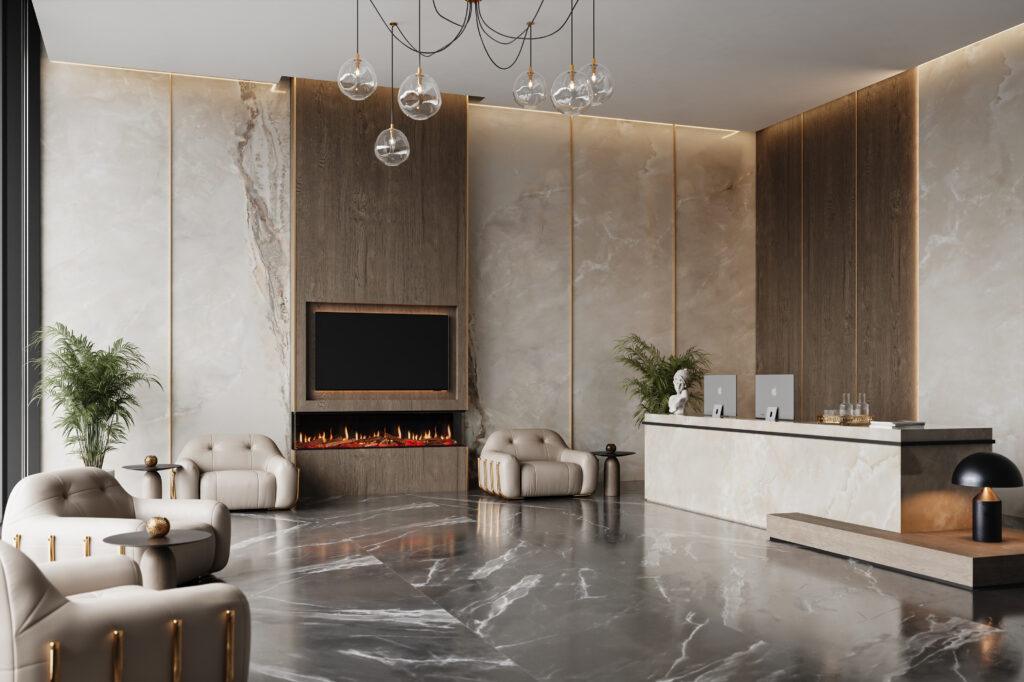
Electric fires have changed dramatically. They are no longer a compromise for homes without chimneys or gas supplies; for many homeowners, they are now the first choice. They are easy to install, simple to control and well suited to modern interiors, apartments, new builds and media walls.
Because an electric fire does not require a flue, it offers far more design freedom. It can be fitted into a feature wall, placed below a television, installed as a one-, two- or three-sided display, or used to replace an older inset fire in a standard fireplace opening. Many modern electric fires offer flame effects without heat, which is particularly useful in spring, summer and autumn when you want atmosphere without warming the room.
Electric fires also pair well with the wider shift towards electrification. As more homes consider heat pumps, solar panels, battery storage and smart tariffs, an electric fire can provide localised comfort and visual warmth without relying on a combustion appliance. While electricity can be more expensive per unit than gas, electric fires are most effective when used as room-by-room supplementary heating rather than as a whole-home heating system.
The visual technology has improved significantly too. Realistic log beds, colour-adjustable flame effects, ambient lighting, app controls, thermostats, timers and open-window detection make electric fires much more sophisticated than older models.
Best for: flats, new builds, media walls, homes without chimneys, low-maintenance interiors, and anyone wanting a flame effect, with or without heat.
Choosing the right fireplace surround
The fire itself is only part of the decision. The surround, hearth and opening shape determine how the whole room feels.
Limestone remains a versatile choice. Its soft neutral tones suit cottages, country homes, Scandinavian interiors and relaxed modern spaces. It brings warmth without dominating the room. Marble, by contrast, creates a more polished and formal focal point. Its veining, sheen and sense of permanence work well in period homes, luxury interiors and rooms where the fireplace is intended to make a statement.
For contemporary spaces, many homeowners now prefer minimal surrounds, flush-fit installations or media walls. A hole-in-the-wall gas or electric fire can look like a piece of moving artwork, while a frameless electric fire can sit neatly within cabinetry or a feature wall.
The right choice depends on the property. A cottage may call for a stove and limestone inglenook. A townhouse may suit a marble surround with a gas or electric inset fire. A new-build living room may look best with a balanced-flue gas fire or a wide electric media wall installation.
Matching the fire to the home
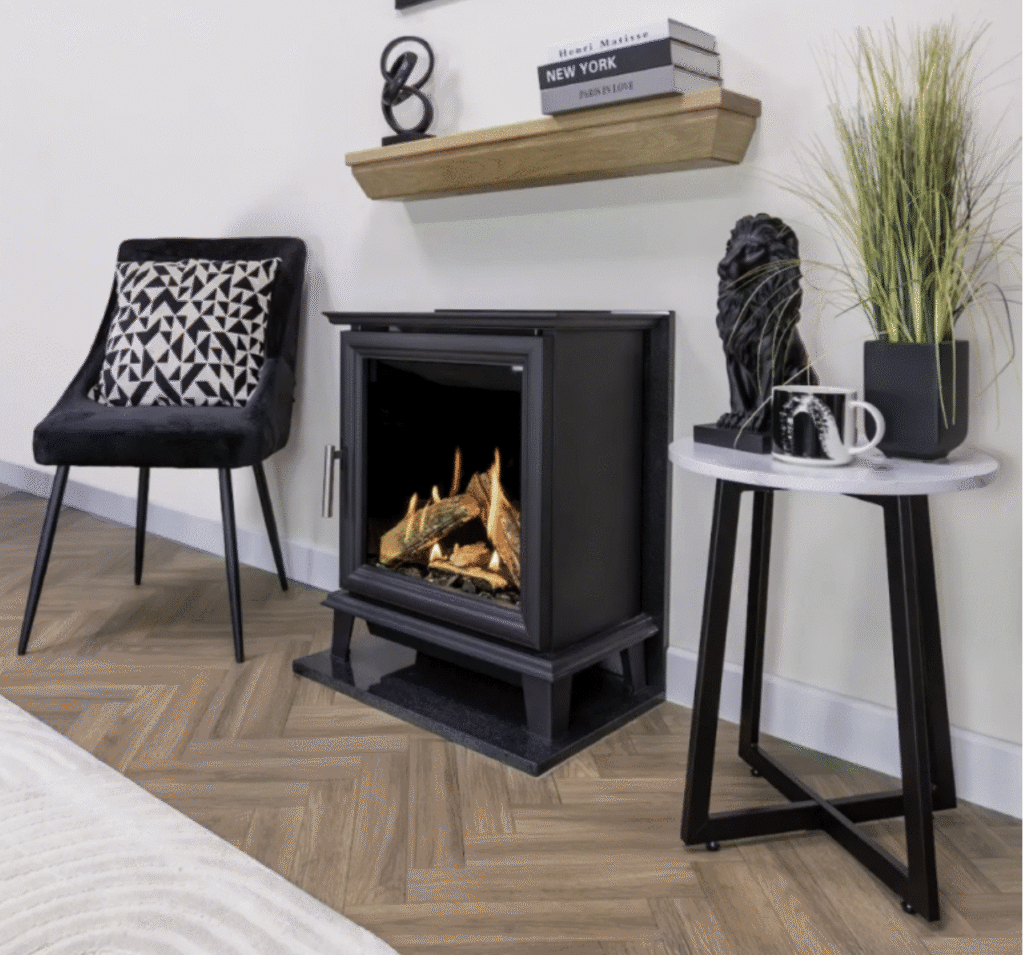
For period properties and cottages, a modern Ecodesign stove is often the most natural upgrade from an open fire. It preserves the character of the home while improving efficiency and reducing emissions. Gas and electric stoves can also work well where the look of a stove is desired, but the homeowner wants greater convenience.
For modern homes and urban properties, electric fires and balanced-flue gas fires are often the most practical options. They can be installed without relying on an existing chimney and suit clean, architectural interiors.
For family homes and open-plan living spaces, heat output and control matter. A high-output stove or efficient gas fire can help create a warm central space, while electric fires are ideal where ambience, zoning and flexible installation are the priorities.
For apartments and smaller rooms, electric fires usually offer the simplest solution. They require little structural work, have no flue requirements and can provide visual comfort without overwhelming the space with heat.
The lower-carbon comfort checklist
A good fire choice should sit within a wider home comfort plan. In 2026, that means asking a few practical questions:
Is the room insulated and draught-proofed?
Is the appliance the right size for the space?
Will the fire be used for primary heat, supplementary heat or ambience?
Are local smoke control rules relevant?
Is there a chimney, flue route or external wall available?
Could an electric fire better suit a future low-carbon heating system?
Are heating controls, boiler settings or hot-water habits wasting energy elsewhere in the home?
For homeowners planning bigger changes, heat pumps are increasingly part of the conversation, supported by government grants where eligible. But not every household will switch at the same time, and not every fire is intended to replace a central heating system. In many homes, the fire’s role is to provide targeted comfort, reduce reliance on whole-house heating at certain times, and create a focal point that makes the room feel welcoming.
Final thoughts:
The best fire for your home is not simply the most traditional, the most modern or the most powerful. It is the one that works with your property, your lifestyle and the direction home heating is heading.
A modern wood-burning stove can bring real-flame character and resilience when used responsibly. A gas fire can offer instant controllable heat and a familiar flame picture. An electric fire can provide flexibility, low maintenance and design freedom for today’s homes and tomorrow’s heating systems.
As summers become hotter and winters remain expensive, comfort is becoming a year-round challenge. Choosing the right fire is part of a bigger decision about how your home looks, feels and performs. Done well, it can give you warmth when you need it, atmosphere when you want it, and a focal point that will still feel right for years to come.