A classic spring reset starts with a simple idea: make the parts of your home you look at every day feel special again. Our interior design ideas frame spring as the ideal time to refresh a fireplace after winter use, not just for cleaning, but to rethink the look while you’re not relying on it daily.
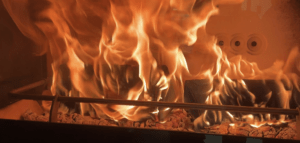
If you have a fireplace (working or decorative), it’s a natural focal point for a spring update.
Here are our essential tips to get you started:
Start with a deep clean and quick cosmetic fixes. Remove soot/ash/grime, consider refreshing tired-looking metal parts with appropriate high‑temperature paint, where suitable, and polish metal accents so the whole area looks fresher. Even if you don’t plan a bigger redesign this year, these steps make a room feel fresher, faster.
Upgrade the surround thoughtfully. This has a big impact without spending lots. Stone/brick veneer, tile surrounds, new wood trim or a mantel, and limestone as a premium option. These choices align well with the broader trend towards authentic, tactile materials and rooms that feel grounded rather than glossy or overly new, which is on trend for 2026. If you’re doing a budget-friendly update, one upgrade and one styling change usually beats five random purchases, for example: keep the surround, add a larger mirror, and re-style with fewer, better-placed objects.
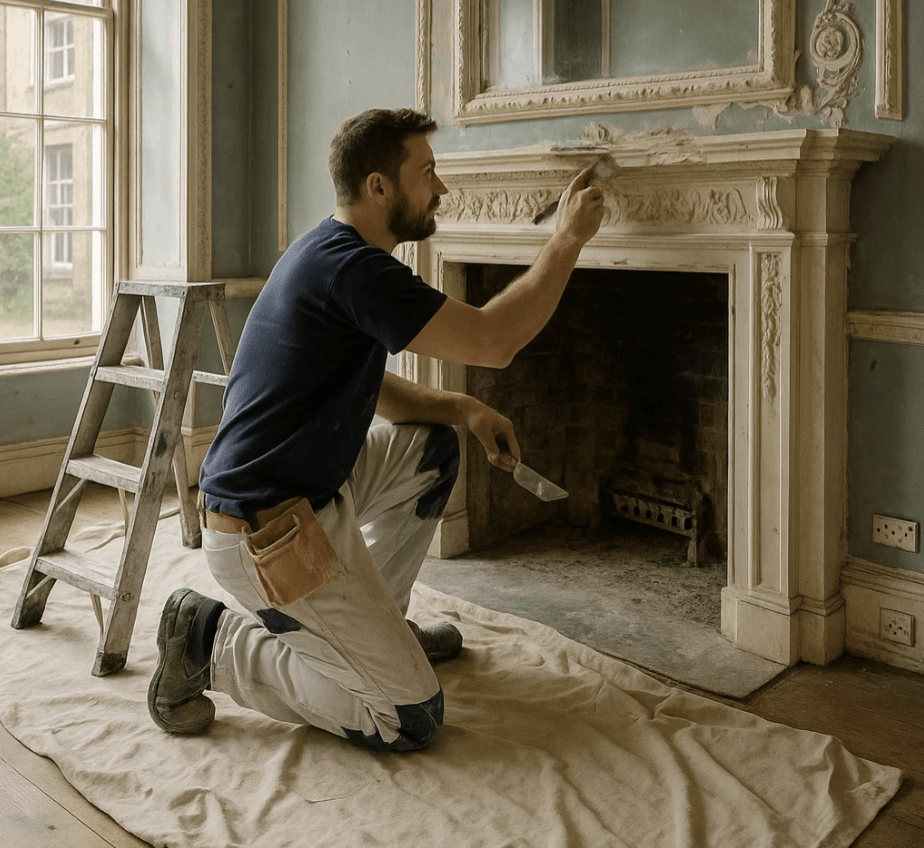
Light it like it matters. Adding a small spotlight, recessed lighting, or subtle mantel lighting makes the fireplace wall feel like a feature even with no flames. Layered, softer lighting is also a comfort strategy: Soft, layered lighting reinforces warmth even at lower room temperatures.
Rotate seasonal decor, but do it in a restrained way. In 2026, the trend push is towards lived‑in, time‑worn interiors that are less staged and more personal. So instead of buying a new spring set, try: one vase of branches or fresh greenery, one changed artwork, and one textile swap. You get the spring feeling without turning your home into a retail display.
2026 interior trends you can use without a renovation:
If you want your refresh to feel current, focus on the direction that multiple sources agree on:
Warmth and personality over stark minimalism. Vogue points to 2026 interiors leaning into a more lived-in aesthetic rather than rooms arranged purely for photos. That’s great news for real homes: it rewards thoughtful clutter, books you actually read, art you actually like and de-emphasises perfection.
Texture as comfort and not just style. Textiles: rugs, curtains, throws, don’t just soften a room, they can add insulation and help a space feel warm without turning the thermostat up. In a world of increasing energy prices, this is one of the best moves you can make.
Why the Iran–USA conflict matters for UK household bills
To understand heating costs for autumn/winter 2026, it helps to know why the Strait of Hormuz keeps showing up in energy news. Hormuz is a global energy bottleneck. The IEA’s Hormuz factsheet notes that around 20 million barrels per day of crude and oil products were shipped in 2025 through the Strait, with about 25% of the world’s seaborne oil trade transiting it, and limited bypass options.
The U.S. EIA’s chokepoints analysis similarly shows Hormuz oil flows around 20.9 million barrels per day in the first half of 2025, roughly 20% of global petroleum liquids consumption, and provides LNG flow figures through the same route.

The 2026 conflict has already been the largest disruption event. In its March 2026 Oil Market Report, the IEA describes the war in the Middle East as creating the largest supply disruption in the history of the global oil market, with flows through the Strait of Hormuz collapsing and Gulf producers sharply cutting production. The IEA also reports that member countries agreed on March 11 to make 400 million barrels available from emergency reserves to address disruptions.
Why does that hit UK prices even if the UK isn’t importing directly from Iran? Global oil and gas markets are interconnected. Ofgem explains that international events can affect wholesale gas and electricity prices, and while the UK’s supplies remain secure, sustained disruption to global gas markets could pressure prices in future cap periods. Ofgem also explains that wholesale energy costs are a major component of bills, which are around 40% of a total energy bill.
What changed by April 13, 2026? Reporting described oil prices surging back above $100 following failed talks and a U.S. blockade announcement, with knock-on moves in gas markets. Even if prices later settle, the key takeaway for households is volatility: the risk premium can return quickly if shipping/insurance/security don’t normalise.
What this could mean for heating costs in autumn and winter 2026
No one can responsibly promise what the October–December 2026 price cap will be in April 2026, and Ofgem itself cautions that it’s too early to know how lasting market impacts may be.
But you can plan around what tends to matter most:
If Hormuz shipping remains restricted or risky, wholesale prices may stay elevated. The IEA frames resumed transit as the single most important action to stabilise flows and reduce price strain.
The price cap protects you only if you’re on a capped default tariff, and only for that cap window. The cap is reset quarterly; Ofgem says the April–June cap has limits on unit rates and standing charges, not on total spend.
Policy and tariff structure changes can move bills even if wholesale stays flat. Ofgem attributes part of the April 2026 drop to changes in how certain policy costs are funded, and notes Warm Home Discount costs shifting from standing charges to unit rates.
So the practical household strategy is to treat 2026 as a year where your controllables matter more than ever, insulation level, drafts, heating controls, and how many rooms you heat.

FAQ
Is the Ofgem price cap a maximum bill?
No. It caps the unit rate (p/kWh) and standing charge (p/day) for default tariffs, not the total you’ll pay, your final bill depends on usage.
Will the price cap protect me in winter 2026?
It will depend on (1) whether you’re on a capped tariff (typically a standard variable/default tariff), and (2) what the cap level is in the winter quarters. Ofgem says the current cap protects households on default tariffs through the end of June 2026, while future periods depend on market conditions.
Why does an overseas conflict change my UK heating costs?
Because global events can move wholesale gas and electricity prices, and wholesale costs are a large component of bills. Ofgem explains that market events can affect wholesale costs, and its bill breakdown shows that wholesale is a major cost line.
What help is available if I’m struggling with bills?
Start with supplier support and Ofgem guidance (suppliers must offer help like payment plans), then check eligibility for schemes including Warm Home Discount, Cold Weather Payments, Winter Fuel Payment, and Help to Heat programs like Warm Homes: Local Grant or the Boiler Upgrade Scheme.
I rent. Can I still do anything meaningful?
Yes: focus on reversible draft-proofing, curtains, rugs, and smart use of heating controls, and ask your landlord about funded upgrades where applicable (Warm Homes: Local Grant notes landlords may need to contribute in some cases).