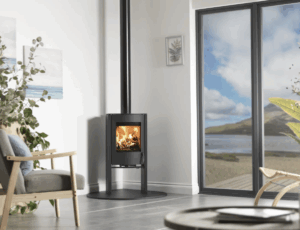
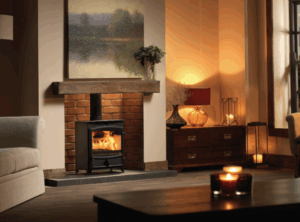
For experienced stove users, the end of the heating season, around the end of March, is not really the end of anything. It is the handover point between one set of habits and another. Through autumn and winter, a well-run stove becomes a key part of the house: a reliable source of zonal heat, a way to reduce pressure on the central heating, and for many households, a daily expression of environmental thinking. When spring settles in, the temptation is to let the fire go out one last time and then simply forget about the stove until the first cold evening of autumn. That is a mistake.
The Shutdown & Preparation
A stove that has served you all winter deserves a proper shutdown. More importantly, a careful summer layup sets you up for cleaner burning, better heat output, safer operation and lower fuel waste when the colder months return. If you use your stove as a supplementary heating source, the best time to protect its autumn efficiency is right now, when the evidence of regular winter use is still fresh, and every maintenance issue is still clearly visible.
The most important step is to think of the last fire of the season not as an ending, but as the first stage of next winter’s preparation.
After a season of regular use, your chimney and flue system will have collected soot, fine ash and, depending on fuel quality and burning habits, some degree of tar or creosote. Even in a well-operated stove, deposits build up over time. Leaving them in place all summer is poor practice. Soot residues can hold moisture, particularly in the damp conditions that often come with spring and summer. That moisture can mix with combustion deposits to form acidic compounds that are unfriendly to steel, liners, firebricks and seals. A dirty system left idle can deteriorate over time.
Sweeping
That is why a final chimney sweep is such a smart end-of-season job. Many people think of sweeping as something to do before winter, but after a heavy winter of use, it arguably makes even more sense to do it at the end of the heating season. The chimney is left clean rather than dirty. Any problems become visible while there is no pressure to start using the stove immediately. If a sweep notices worn rope seals, damaged baffle plates, cracked firebricks, corrosion at the liner connection, bird-guard issues, or signs of water ingress, you have months rather than days to address them.
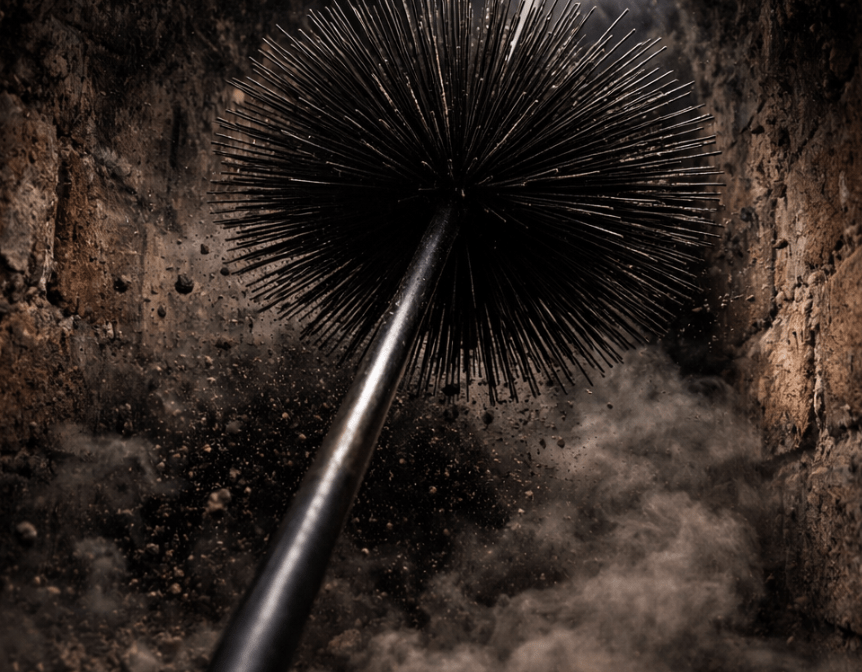
A final sweep also gives you a clear base to start from. When autumn arrives, you are not firing up a neglected appliance. You are recommissioning a system that was already cleaned, checked and left in good order. That matters for carbon efficiency. A stove burns most effectively when airflow is unobstructed, the flue drafts properly, and the firebox components are intact. If the draw is compromised by deposits or damaged internals, combustion becomes less complete. Incomplete combustion means more smoke, more particulates, more waste and less useful heat from every log you burn.
After The Sweep
After the sweep, take time to inspect the stove itself, ideally with a professional’s help. Start inside the firebox. Remove ash completely, including the fine dust that settles into corners and behind retainers. Emptying the ash pan is not enough. A soft brush and ash vacuum rated for the task can make the difference between a superficially tidy stove and a genuinely clean one. Then check the firebricks or vermiculite liners. Small hairline marks may not matter, but crumbling edges, missing sections or warped panels can affect combustion and protection of the stove body. Look at the baffle or throat plate above the firebox, too. This component works hard and often suffers from unnoticed wear. If it is warped, cracked or heavily eroded, your stove’s airflow and efficiency may suffer next season.
The Paper Test
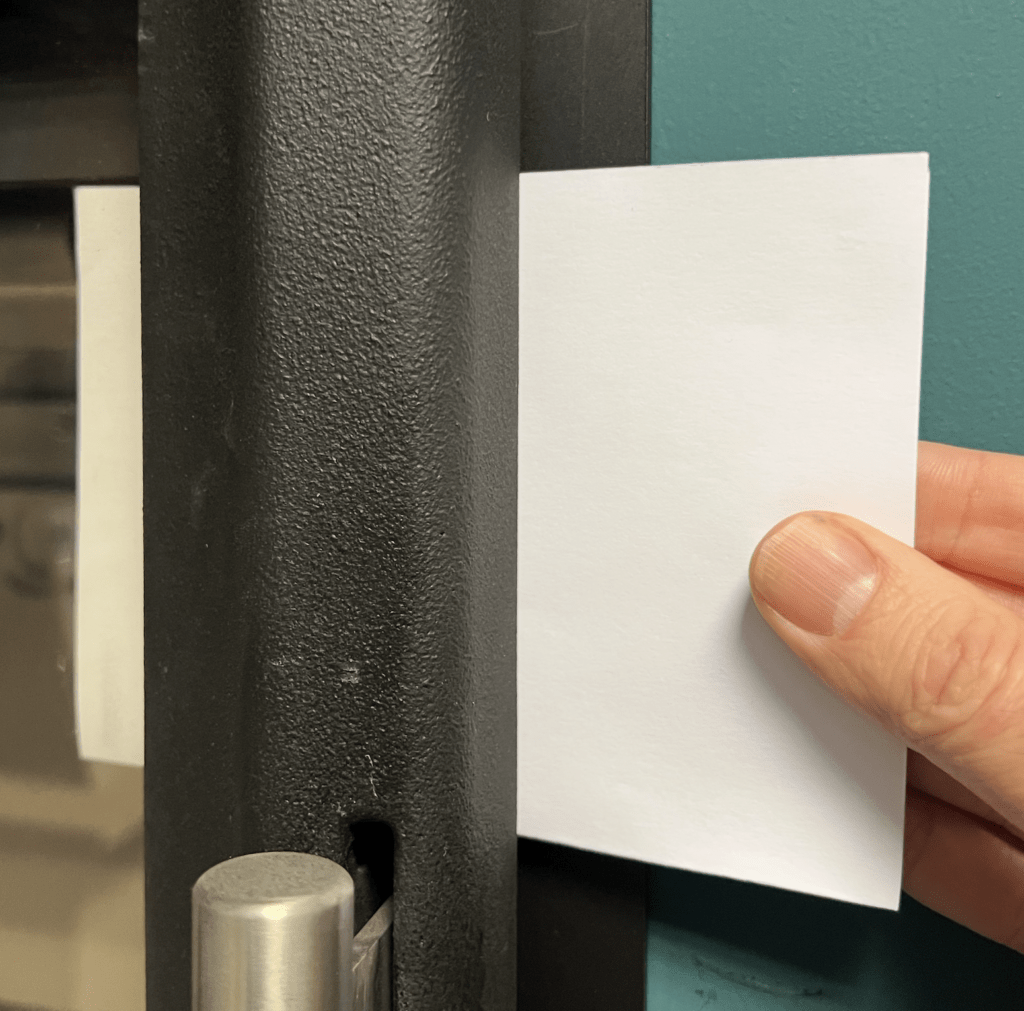
Next, turn to the door. Rope seals compress over time. If the seal has gone hard, shiny, loose or flattened, it may no longer create an airtight close. Experienced stove owners know that too much uncontrolled air is the enemy of an efficient burn. It pushes the fire harder than intended, shortens burn time, wastes fuel and can increase emissions. A simple paper test around the door can help: close the door on a strip of paper and see whether it grips evenly. If it slides out too easily in places, the seal may need replacing. Also, inspect the glass gasket if your model has one, and check hinges, latch tension and handle movement. A stove should close with reassuring firmness, not a wobble and a rattle.
Be Honest With Yourself – And Your Stove
Next on the list, you should clean the glass properly. Not for looks, though that matters, but because heavily stained glass often reveals how you have used it over the winter. A stove that has blackened its window repeatedly may have been run too cool, starved of secondary air, or fed less-than-ideal fuel. End-of-season cleaning is, therefore, a good moment to review your winter habits honestly. Did you burn enough correctly seasoned wood? Did you slumber the stove too often? Did you rely on the lowest air setting for long overnight burns? Efficient, lower-emission wood burning depends on hot, clean combustion rather than a smoky, starved fire. The marks on the glass are often the stove’s post-season report.
Outside the stove, check every accessible joint in the flue pipe, especially on freestanding installations. Look for rust staining, powdery deposits, signs of condensation or movement at the connections. Examine the top plate of the stove, rear heat shield, air controls and any external riddling mechanism. If your stove has a catalytic component or advanced clean-burn system, follow the manufacturer’s maintenance guidance closely rather than treating it like a simpler box stove. The better engineered the stove, the more it repays accurate care.
Moisture Control
Summer is also the right time to think about moisture control. Once the stove is clean, leaving the door slightly ajar can help air circulate through the firebox and reduce condensation, though this should be done in line with the stove maker’s guidance and with household safety in mind. Some owners place a small moisture absorber nearby in particularly damp homes. The aim is simple: keep the appliance dry during its idle months. A dry stove is a healthier stove.
Fuel Storage
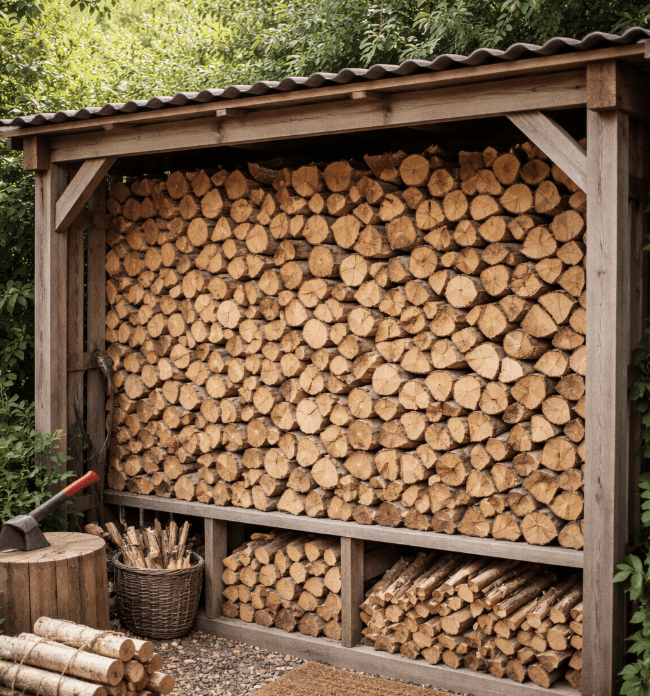
The fuel store deserves attention, too. If you care about carbon-efficient winter heating, your woodpile is as important as the appliance. Spring and summer are your seasoning window. Review what worked this year. Which logs burned hottest and cleanest? Which loads were disappointing? Stack next winter’s wood off the ground, with cover above and airflow around the sides. Do not wrap it so tightly that you trap moisture. Good fuel is the foundation of good combustion. Even an excellent stove cannot burn wet logs efficiently. If you use briquettes, kindling or firelighters, now is the time to buy carefully and store them dry, rather than scrambling for whatever is available when the first cold snap arrives.
Think Summer, Think Winter, Think Efficiency
A thoughtful summer shutdown can also improve the way you heat your house next winter. Be mindful of efficiency year-round. Because you use the stove as zonal heating, think ahead about the room around it. Is the furniture arranged to allow heat to travel? Are the curtains too close to the appliance or too heavy around adjacent doorways? Is there a quiet draught from an ill-fitting external door that undermines comfort in the room you most want to warm? Small adjustments in the off-season can make the same stove feel more effective next year, reducing the temptation to overfire it.
There is a broader environmental point here. Many experienced stove owners develop a mindset that is not only about the stove. They begin to think in terms of using heat where and when it is needed, reducing waste, living with the seasons and extracting more comfort from the house itself before turning to more energy. That habit does not need to stop when the stove is put away for the summer.
On cooler summer days, staying comfortable in a lower-carbon way is often about resisting the reflex to heat the whole house. Treat those in-between days as a zonal heating challenge, just without the stove. Warm the person first, then the room, then the home if absolutely necessary. Use layered clothing, wool throws, thicker socks and a hot drink before touching the thermostat. Work, read or relax in the sunniest room of the house. If the evening chill lingers, close the internal doors early and keep the warmth in the occupied space. A heated throw or hot water bottle can deliver a great deal of comfort with far less energy than firing up a full heating system for the whole property.
Summer Sun Trick
A useful trick familiar to many stove households is thermal timing. During a cool summer day, open blinds early to capture solar gain on south and west-facing windows, then close them once the room has warmed. In a well-insulated house, this can take the edge off the day surprisingly well. You can think of it as using the sun the way you use your stove in winter: deliberately, locally and only where it helps.
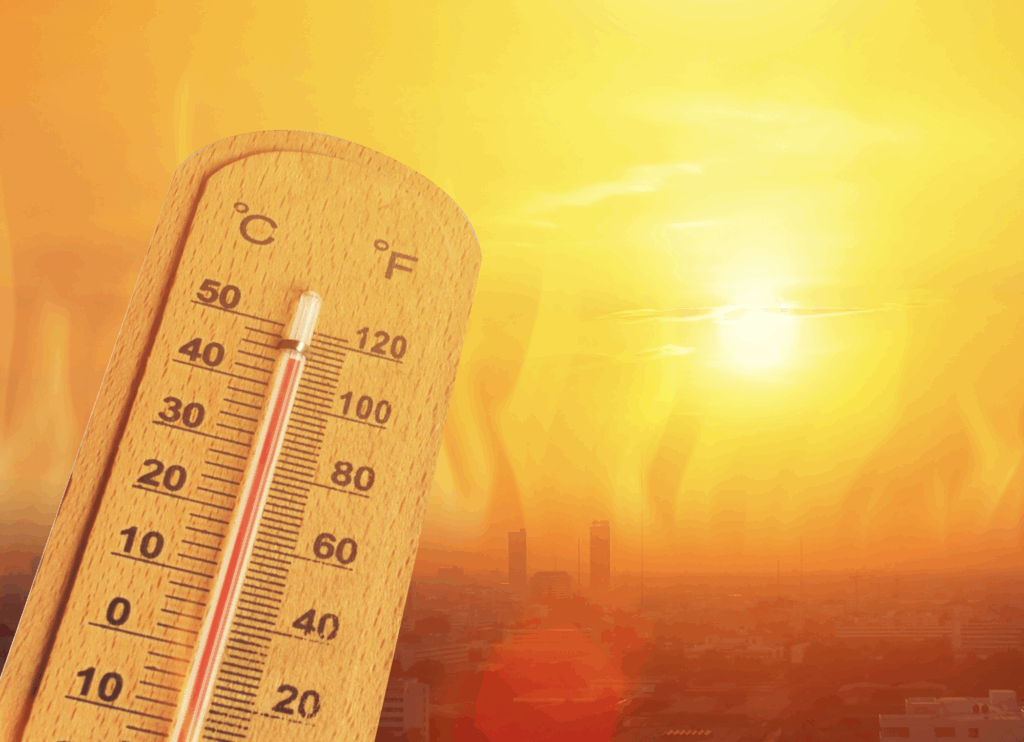
On warm summer days, the same environmental thinking works in reverse. Instead of creating heat efficiently, you are trying to prevent unwanted heat from building up at all. Close curtains or external shutters on the sunniest elevations before rooms overheat. During the hottest part of the day, keep hot air out.
You can also use the design of your house to your advantage. Stone floors, shaded ground-floor rooms and thick internal walls can become your summer equivalents of the winter hearth: places of stable comfort. If you cook, batch-cook on cooler days or use outdoor cooking methods to avoid adding heat indoors. Ceiling fans, where fitted, are often a better low-energy answer than portable cooling units. Switch off idle electronics, avoid tumble drying when line drying is possible, and use lids on pans to reduce both cooking time and unwanted kitchen heat.
And Finally
Putting your stove away properly is not a fussy annual ritual. It is part of the same discipline that makes a good stove user in the first place. Clean system, sound components, dry fuel, honest review of winter habits, and a house run with seasonal intelligence: these are the things that make autumn recommissioning easy and winter heating cleaner and more effective.
When the first cool evening returns, probably sometime in mid-September, the reward for doing the job now is immediate. Your stove will be clean, safe, responsive, and ready to burn as efficiently as possible. And just as importantly, the environmental habits that shaped your winter heating will carry on all summer.