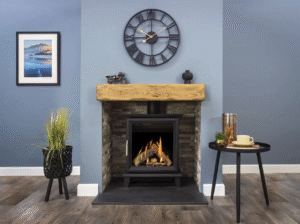
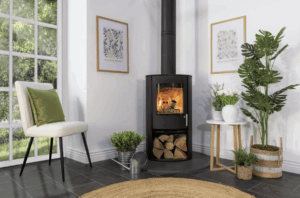
For centuries, warmth in the home has been both a practical necessity and an essential element in creating a relaxing, comfortable environment. From the hearth at the centre of medieval houses to the cast-iron fireplaces of the Victorian era, heat has always shaped how homes look, feel and function. Today, however, the focus on keeping warm has changed. Comfort alone is no longer enough. Homeowners and designers alike are asking a more complex question: how can we create a stylish, warm, inviting home interior while acknowledging the growing need for environmental awareness and minimising the carbon footprint?
The good news is that modern interior design and environmental awareness are no longer at odds. Advances in heating technology, materials science and building performance mean that it is entirely possible to design a home that feels inviting and cosy while dramatically reducing its carbon footprint. The key lies in a thoughtful fusion of design-led heating solutions, efficient insulation, and conscious energy use.
Designing warmth – not just adding heat:
One of the biggest shifts in modern interior design is the move away from treating heating as a purely functional afterthought. Instead, warmth is increasingly being designed into the home from the outset. This means thinking about heat sources as visual features, integrating insulation into the fabric of the building, and using layout, materials and light to enhance thermal comfort.
Modern design favours fewer, better-performing heat sources rather than multiple inefficient ones. Open-plan living spaces are zoned more intelligently, while smaller rooms are insulated and sealed to retain heat. In this context, fires and stoves have evolved from basic heaters into architectural centrepieces that define a room’s character.
Gas Fires: Clean Lines and Controlled Comfort
Gas fires have undergone a revolution in recent years. Gone are the bulky surrounds and imitation coal beds of the past. Today’s gas fires are super-efficient and come in a wide range of styles and designs, making them a popular choice for efficiently designed interiors.
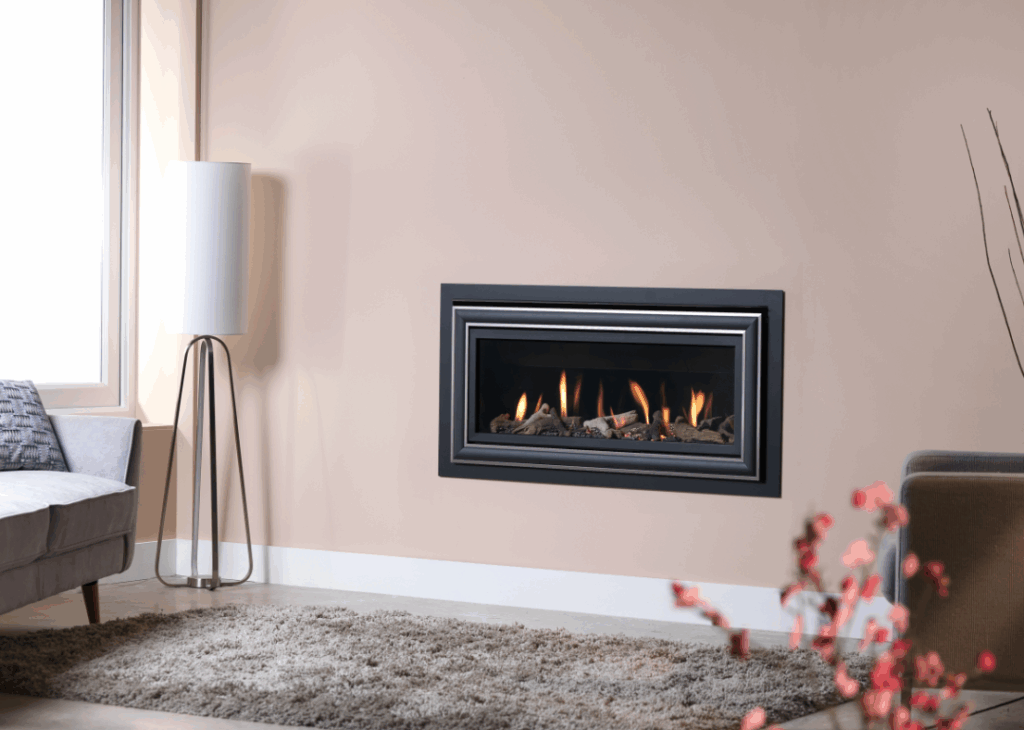
From a design perspective, gas fires offer exceptional flexibility. Hole-in-the-wall installations, gas stoves, and a range of glass-fronted designs sit effortlessly within contemporary living spaces. They can be recessed into media walls, paired with marble or limestone surrounds, or used as subtle focal points that don’t overpower a room. Marble and limestone have elegance and durability that few materials can match. In residential interior design, they provide warmth, luxury, and a real connection to history.
Environmentally, gas remains a fossil fuel and therefore cannot be considered a fully renewable energy source. However, modern gas fires, such as those featured in our range, represent a significant improvement over older, traditional models in terms of efficiency and environmental performance. Advances in combustion technology mean that high-efficiency gas fires can convert a much greater proportion of fuel into usable heat, minimising heat loss and reducing overall fuel consumption. As a result, fewer emissions are produced for the same level of warmth, helping to lower the home’s carbon footprint when compared with outdated alternatives.
In addition, many modern gas fires are fully compatible with smart controls, programmable timers, and thermostats, enabling precise temperature control. This enables homeowners to heat specific rooms only when they are in use, rather than warming the entire property unnecessarily. By providing targeted, responsive heating, modern gas fires help reduce energy waste, improve comfort, and support a more responsible approach to household energy use while still delivering the visual appeal and instant heat that gas fires are known for.
Below – Our Infinity 89BF Gas Fire
For many households, gas fires also act as a transitional solution. As the energy grid continues to decarbonise and alternatives such as hydrogen or biogas become more widely available, existing gas infrastructure may be adapted rather than replaced entirely. In this way, modern gas fires can fit into a broader, long-term strategy for reducing carbon impact, especially when considering hydrogen-ready gas fires.

Hydrogen-ready gas fires are designed to run on today’s natural gas supply while being prepared for tomorrow’s hydrogen fuel.
This means a hydrogen-ready fire can operate on the usual methane gas and also safely burn a blend of natural gas and hydrogen, typically up to 20% hydrogen mixed with 80% methane, with no modifications.
These appliances are designed to be converted, with minor adjustments by a qualified engineer, to run on 100% hydrogen in the future. In other words, a hydrogen-ready gas fire gives you the best of both worlds: warmth and reliability now, plus easy adaptation to clean fuel later.
Electric Fires: Design Freedom Meets Low-Carbon Living
Electric fires have arguably seen the most dramatic transformation of all heating options, with somewhat of a revolution taking place. Once considered purely decorative, today’s electric fires combine sophisticated flame effects with efficient heat output and near-limitless design freedom.
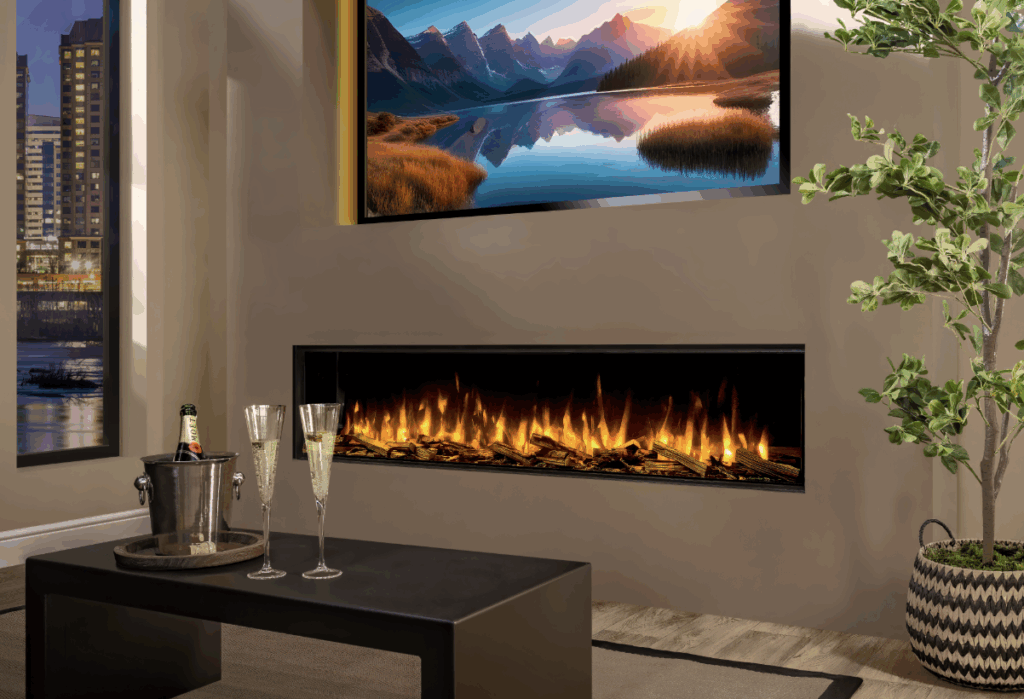
From ultra-wide wall-mounted installations to three-sided and corner designs, electric fires integrate seamlessly into modern interiors. They suit minimalist spaces particularly well, offering the visual warmth of a flame without the need for a chimney, flue or gas connection. This makes them ideal for apartments, renovations and highly insulated new-build homes.
The environmental advantages of electric fires depend largely on how electricity is generated. As the UK and many other countries continue to expand renewable energy sources such as wind and solar, electric heating becomes progressively cleaner. In homes powered partially or fully by green tariffs or on-site renewables, electric fires can operate with a very low carbon footprint.
Below – Our iRange i1800e Deep Electric Fire
Crucially, electric fires allow for precise control. Many models, including those found in our range, let users enjoy flame effects without heat, reducing unnecessary energy use while still delivering visual comfort. Timers, thermostats and zoned heating all contribute to lower overall consumption, aligning perfectly with environmentally conscious living.
Our range of electric fires showcases this revolution, blending ultra-realistic flames with practical convenience. Whether you’re a homeowner wanting the cosy ambience of a fire without the hassle, an interior designer looking to integrate a show-stopping focal point, or a retailer seeking feature-rich products, there is an electric fire in our range to suit every need. From classic 16-inch inset fireplaces that fit into a traditional mantel to panoramic media wall installations worthy of a modern luxury apartment, each model in our lineup offers unique benefits.
Ecodesign Wood-Burning Stoves: Tradition Reimagined for a Sustainable Age
Few features evoke warmth, comfort, and atmosphere quite like a real fire, and wood-burning stoves continue to be a popular choice for homeowners seeking both character and efficiency. When selected carefully and used responsibly, modern wood-burning stoves can play a positive role in environmentally conscious interior design. By using sustainably sourced fuel and high-efficiency appliances, they offer a natural heating solution that aligns traditional living with modern sustainability values.
Today’s Ecodesign-compliant wood-burning stoves bear little resemblance to the inefficient models of the past. Advances in combustion technology, air control systems, and heat retention allow modern stoves to burn wood more completely, producing higher heat output while significantly reducing emissions and particulate matter. This improved performance not only benefits the environment but also enhances indoor comfort, delivering consistent, controllable warmth with minimal fuel usage.
From a design perspective, Ecodesign wood-burning stoves are available in a wide range of styles, from elegant cylindrical designs and freestanding styles to clean-lined, minimalist inset stoves that integrate seamlessly into modern architecture. Their versatility allows them to complement both traditional, rustic interiors and sleek, ultra-modern spaces. As a result, Ecodesign wood-burning stoves offer a rare combination of visual appeal, efficient heating, and environmental responsibility, making them an intelligent addition to today’s sustainably minded homes.
Below – Our Purevision BPVR Cylinder Wood-Burning Stove
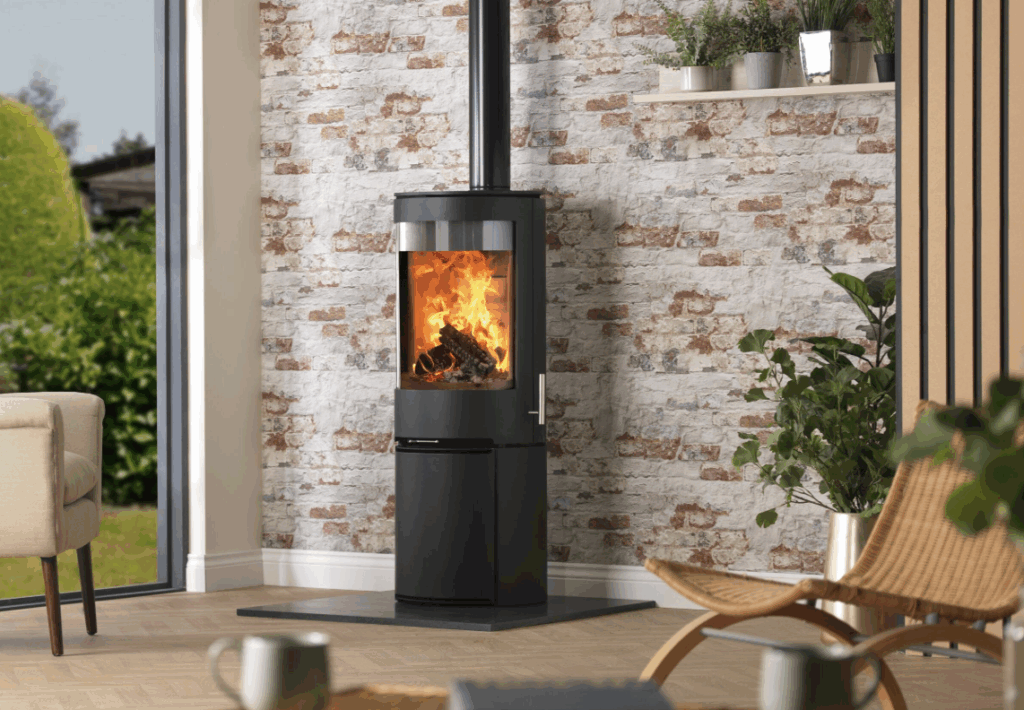
Sustainability is the critical factor. When fuelled with well-seasoned wood from sustainable forestry, wood-burning stoves can be carbon-neutral, as the carbon released during combustion roughly equals that absorbed during tree growth. Ecodesign stoves meet strict emissions standards, dramatically reducing particulate output.
Designers tend to use wood-burning stoves as secondary heat sources rather than primary ones. In well-insulated homes, a single stove can comfortably heat a main living space, reducing reliance on central heating. Used intelligently and efficiently, this approach balances warmth with environmental responsibility.
Insulation: The Invisible Foundation of Sustainable Warmth
No discussion of sustainable warmth is complete without addressing insulation, which forms the foundation of any energy-efficient home. While fires and stoves provide a visible, immediate source of heat, effective insulation ensures that warmth is retained, evenly distributed, and used efficiently. Without it, even the most advanced heating systems must work harder than necessary, leading to increased energy consumption and unnecessary heat loss.
Modern insulation solutions have evolved significantly and are now far more compatible with contemporary interior design than in the past. Innovations such as slimline internal wall insulation make it possible for period and heritage properties to improve their thermal performance without compromising original architectural features. Cornices, mouldings, and room proportions can be preserved, allowing homes to maintain their character while benefiting from contemporary energy standards.
There has also been a growing shift towards natural insulation materials, including sheep’s wool, cork, and wood fibre, which offer compelling environmental and health advantages. These materials are renewable, low in embodied energy, and naturally breathable, helping to regulate humidity and reduce the risk of condensation and mould. In contrast to many synthetic alternatives, they contribute to healthier indoor air quality and support a more holistic approach to sustainable living.
Beyond walls, measures such as floor insulation, effective draught-proofing, and high-performance glazing play a crucial role in reducing heat loss throughout the home. Together, these elements create a more stable internal temperature and reduce reliance on active heating. From a design perspective, this thermal efficiency opens up new possibilities. Lighter, more minimalist interiors can still feel warm and inviting, and large windows or open-plan layouts no longer need to be compromised for comfort. Advances in materials and construction techniques now allow visual openness and natural light to coexist with excellent thermal performance, supporting interiors that are both beautiful and sustainably warm.
Materials That Add Warmth Without Energy
Interior design itself plays a powerful role in how warm a space feels. The strategic use of materials can enhance comfort without increasing energy use.
Natural textures such as wood, wool, leather and stone add visual and tactile warmth. Layered textiles, rugs, curtains, throws and upholstery not only soften interiors but also provide additional insulation, particularly in older buildings. Even colour choices matter: warm, earthy tones can make a space feel cosier than cooler palettes, reducing the psychological need for higher temperatures.
Soft, layered lighting creates a sense of warmth and relaxation, reinforcing the feeling of comfort even at lower room temperatures. Colour affects mood and emotion. Calming colours can reduce anxiety and promote feelings of relaxation and peace.
Here is more insight into colours and how they add a specific vibe to a room:

Smart Living – Technology as a Sustainability Partner
Modern homes increasingly rely on smart technology to balance comfort with efficiency. Smart thermostats, zoned heating systems and app-controlled fires allow users to fine-tune heat output based on actual usage rather than habit.
This level of control is essential for reducing carbon footprints. Heating empty rooms or maintaining unnecessarily high temperatures is one of the biggest sources of wasted energy. By integrating heating systems with smart home technology, homeowners can ensure warmth is delivered precisely where and when it’s needed.
Ultimately, the fusion of modern interior design and environmental awareness is about redefining what comfort means. True comfort is no longer just about warmth at any cost; it’s about creating spaces that feel good physically, emotionally and ethically.
Gas fires, electric fires and wood-burning stoves each have a role to play when chosen thoughtfully and used responsibly. Combined with intelligent insulation, material choices and smart controls, they allow homeowners to enjoy beautifully designed interiors without compromising on sustainability.
As attitudes towards energy continue to evolve, the homes of the future will tell a different story, one where warmth is intentional, design-led and deeply connected to our responsibility to the planet. With that in mind, comfort and conscience no longer compete; they work together as one.