Britain’s changing electricity mix is opening up new possibilities for how we heat our homes. With wind, solar, and hydro accounting for more than 80% of Great Britain’s recorded electricity mix, renewable power shows how substantial its contribution can be.
For homeowners, however, the key question is what a changing energy system means for everyday decisions about comfort, heating costs, and choosing the right appliances. Does cleaner electricity make an electric fire a more attractive option? Does a renewable energy record automatically mean lower heating bills? And where do high-efficiency gas fires and Ecodesign wood-burning stoves fit in?
The answers involve looking beyond the headline and considering both the energy we use and how effectively we use it.
What does “over 80% renewable electricity” actually mean?
Energy Dashboard’s records show a peak renewable share of 80.8% during single half-hour periods. Its definition for this measure includes wind, solar and hydro, but excludes biomass and nuclear power. The figures cover Great Britain rather than the entire UK.
This is an important achievement, but it does not mean that the country runs on more than 80% renewable electricity all the time. Nor does it mean every home’s heating is now renewable. It is a short-period electricity record, not a measure of all the energy our homes, vehicles, and businesses use.
The wider significance is that electricity is becoming an increasingly lower-carbon way to supply energy to our homes as renewable generation expands. This creates opportunities for electric heating, although the appliance type and how it is used remain important.
Why a cleaner grid is important for electric fires
An electric fire does not burn gas or wood to produce warmth. Instead, it uses electricity, meaning its electricity-related carbon emissions depend on how that power is generated.
As the grid’s carbon intensity falls, emissions from using the same amount of electricity also fall. In practical terms, an electric fire can benefit from improvements in the national electricity supply without the homeowner replacing the appliance. This is one reason the growth of renewable generation matters to the future of electric heating.
It would still be misleading to describe every electric fire as automatically carbon-neutral. The electricity mix changes throughout the day, and a high-renewables period does not mean that all electricity is always renewable.
For homeowners considering an electric fireplace, the opportunity is to combine this changing energy supply with an appliance that offers useful control over warmth and appearance.
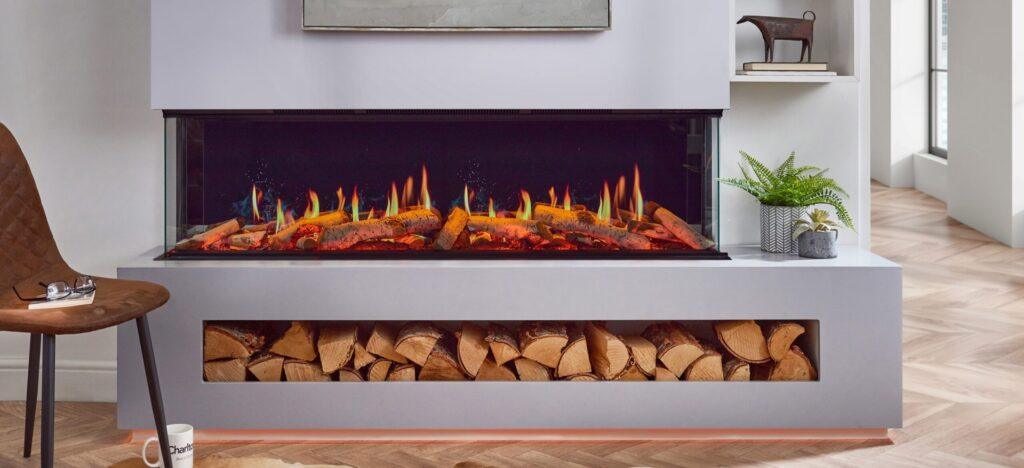
Our Luminosa electric fires, pictured below, for example, combine customisable flame effects with thermostatic heat control and a seven-day programmable timer. The Luminosa 150 offers a maximum heat output of 2kW, allowing the fireplace to provide room heat as well as a visual focal point.
High efficiency does not automatically mean low running costs
When comparing heating appliances, it is useful to separate three questions: how efficiently the appliance uses energy, the emissions associated with that energy, and how much the energy costs.
Electric resistance fires are described as 100% efficient at the point of use because the electricity they consume is converted into heat within the home. This is the efficiency basis stated for the Luminosa 150 outlined above. It does not describe the efficiency of the entire electricity generation and supply system, nor does it guarantee the lowest heating bill. Electricity generally costs more per unit than mains gas, so a highly efficient electric appliance is not necessarily cheaper to run than a gas appliance delivering the same amount of useful heat.
A simple calculation can help put running costs into perspective. An appliance drawing 2kW continuously for one hour uses 2kWh of electricity. Its energy cost is therefore two multiplied by the household’s electricity unit rate. Thermostatic operation may reduce the time the heating element needs to run.
Better controls help homeowners use heat more thoughtfully
Whatever the energy source, avoiding unnecessary heating remains worthwhile. Timers and thermostats help manage when heat is provided and prevent a room from becoming warmer than intended. Used effectively, heating controls can reduce wasted energy while maintaining comfort.
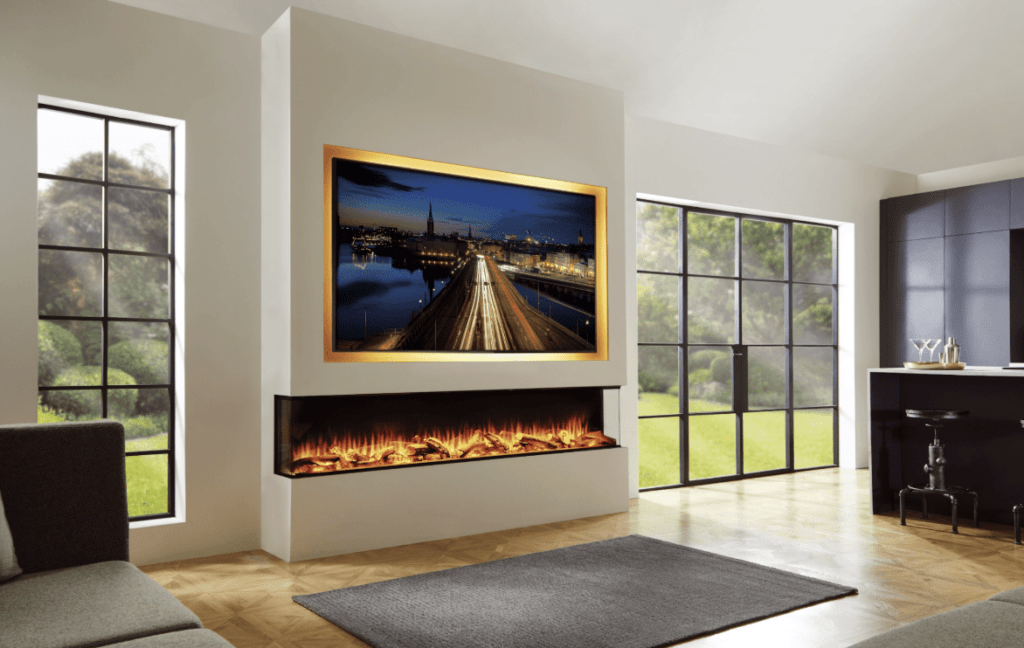
Our iRange Deep electric fires include a seven-day timer, thermostat control and open-window detection. They also allow the flame display to operate without the heater, so the fireplace can remain a feature of the room when additional warmth is not needed. The lighting still uses electricity, but the heating element does not need to be running simply to enjoy the display.
Below is our iRange Deep i2200 Deep:
The practical question is how a room heater works alongside the rest of the home’s heating. Using a fire to meet a particular room’s needs may be useful, but adding it while leaving all other heating unchanged should not automatically be treated as an energy-saving measure. The aim should be to provide the needed warmth where it is needed, rather than simply adding another heat source.
Where do high-efficiency gas fires fit?
A cleaner electricity grid does not change the nature of natural gas. It remains a fossil fuel, and burning it produces carbon dioxide. The environmental case for a high-efficiency gas fire therefore focuses on using fuel effectively, not on claiming the appliance is renewable. For homeowners who choose to keep gas room heating, appliance efficiency remains a relevant consideration.
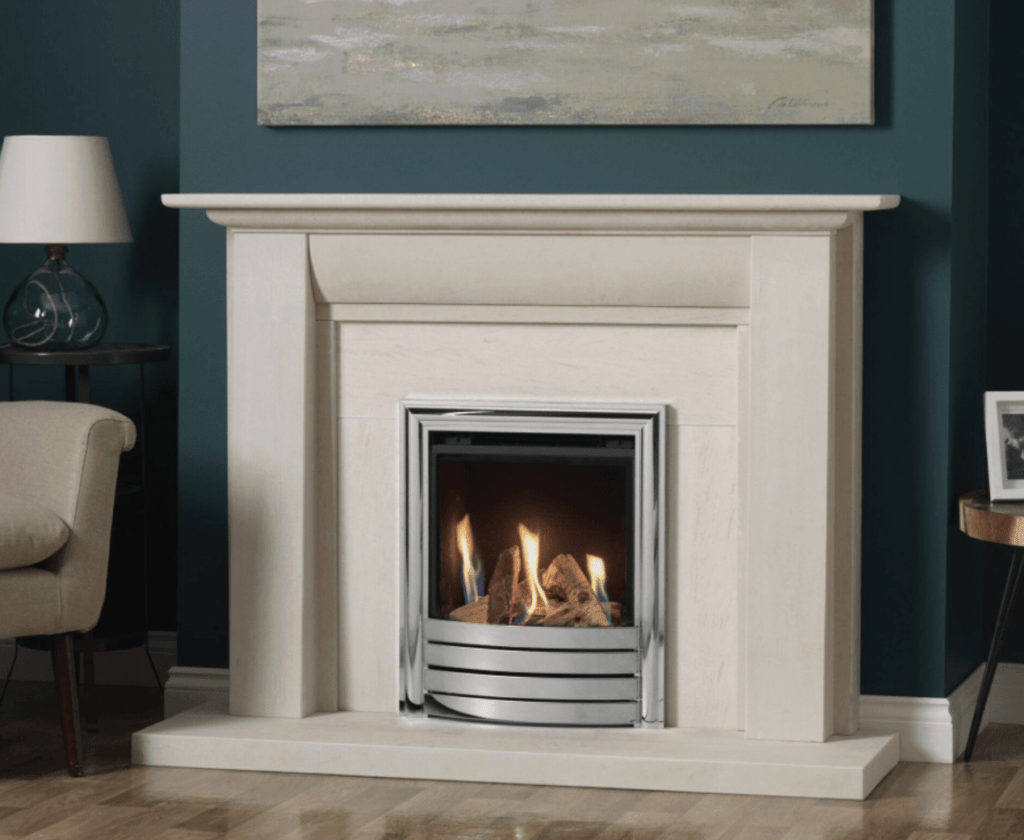
Our Paragon Core HE conventional-flue gas fire, pictured below,for example, provides a 4kW heat output and has a net efficiency of 85%. It combines its heating performance with a realistic log-effect fuel bed and a choice of control options.
Replacing a less efficient appliance with a more efficient one can reduce the fuel required to provide the same useful heat, provided the efficiency figures are compared on a consistent basis. Actual savings depend on the appliance being replaced, installation conditions and how the fire is used. The distinction is straightforward: improving the efficiency of gas heating can reduce waste, but it certainly does not turn gas heating into a zero-carbon option.
What about modern wood-burning stoves?
Wood heating has a different relationship with renewable energy. Wood can be a renewable fuel when it comes from sustainably managed sources where harvested material is replenished by new growth. However, renewable does not mean emission-free: burning wood releases carbon dioxide and other pollutants, which are dramatically reduced if you use an Ecodesign wood-burning stove and only burn seasoned wood.
For households that use wood heating, the choice of appliance and fuel is key.
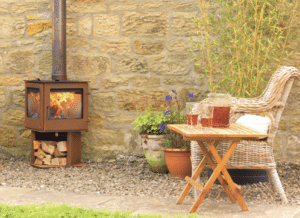
For a wood-burning stove, responsible heating is therefore a combination of suitable technology, appropriate fuel, careful operation and ongoing maintenance, not simply the fact that wood is a renewable material. Below is our Woodtec 8kW Double Sided Wood Burning Stove.

Turning renewable records into everyday benefits
A high renewable-electricity share is good news, but the next challenge is making more of that energy available when people need it. Wind and solar output vary, which is why storage is important. Batteries and other storage technologies can capture electricity when generation is plentiful and release it later. This helps bridge the gap between the timing of renewable generation and the timing of demand.
For households, it is also important to recognise that electricity bills reflect more than generation alone. Network costs, supplier costs, standing charges and other elements contribute to what customers pay. A renewable generation record therefore does not translate directly into an immediate reduction in every household’s tariff.
Alongside changes to the energy system, the fundamentals of home heating remain valuable: suitable insulation, effective controls and an appliance matched to the property and its heating needs. These measures help households make better use of whichever energy source they choose.
Choosing a fire for a changing energy future
Britain’s renewable electricity milestones give homeowners another reason to think carefully about their next heating appliance. But a national record should start that conversation, not be the only factor in the purchase decision. Consider the room’s heating needs, how often you’ll use the fire, the existing heating system, installation requirements, and ongoing running costs. Environmental performance requires the same focus as appearance and convenience.
At Charlton & Jenrick, we encourage homeowners to explore these questions alongside the design of their fireplace. Whether considering an electric fire, a high-efficiency gas fire or a wood-burning stove, the right choice should reflect the needs of the home and a clear understanding of the appliance.
Visit your nearest Charlton & Jenrick showroom to explore the ranges and discuss the options for your living space.