A chimney is one of those parts of the home that is easy to forget about until something goes wrong. For much of the year, it sits quietly above the roofline, exposed to rain, frost, wind, nesting birds, falling debris and constant temperature changes. Then, when autumn arrives and the first cold evenings draw in, it is suddenly expected to work safely and efficiently again.
For UK homeowners with an open fire, wood-burning stove, multi-fuel stove or gas fire connected to a chimney or flue, a little planning can prevent a great deal of trouble. Many chimney issues develop slowly: a cracked pot, loose flashing, damp staining, a bird’s nest, tar deposits, failed pointing or a damaged liner. Left unresolved, these can lead to poor appliance performance, smoke entering the room, damp patches, chimney fires or carbon monoxide risks.
The good news is that the warmer summer months are often the best time to investigate and repair chimney problems. The weather is usually drier, roof work is easier to schedule, chimney sweeps and installers may be less busy, and homeowners have time to make decisions before the seasonal rush begins.
Below is a number of points to look at, related to chimneys:
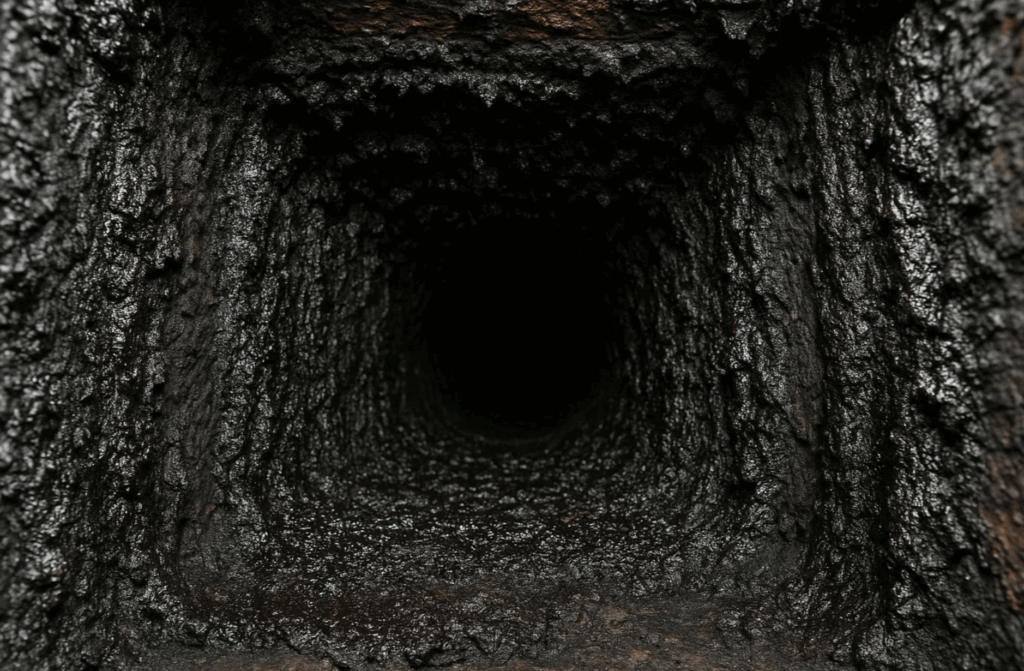
Soot, tar and creasote build-up
One of the most common chimney problems is the build-up of soot, tar and creosote inside the flue. This is especially relevant where wood is burned, particularly if the logs are wet, the appliance is left slumbered for long periods, or the chimney is not swept regularly.
Common symptoms include:
Smoke spilling back into the room, a strong smoky or tar-like smell, black deposits around the fireplace or stove door, difficulty lighting the fire, poor draw, reduced heat output and a stove glass that blackens quickly. In more serious cases, tar deposits can contribute to chimney fires.
Why it happens:
When fuel does not burn cleanly, unburned particles and vapours travel up the chimney and cool on the flue walls. Over time, these form deposits. Wet wood makes the problem worse because heat is wasted boiling off moisture before the log can burn properly. In England, wood sold in volumes under two cubic metres must be certified as “Ready to Burn”, which means it has a moisture content of 20% or less.
How to resolve it:
The chimney should be swept by a competent chimney sweep before the appliance is used again. HETAS encourages sweeping at least twice a year when burning wood and at least once a year when burning smokeless fuels, with one of the best times being just before the heating season starts. Homeowners should also check that they are using dry, suitable fuel, storing logs correctly and operating the appliance according to the manufacturer’s instructions.
Bird’s nests, leaves and blocked flues
A blocked chimney can be dangerous because smoke and combustion gases need a clear route to escape. Birds, especially jackdaws, can build large nests in chimneys, while leaves, twigs, moss and other debris can also collect inside the flue.
Common symptoms include:
Smoke blowing back into the room, a sudden change in how the fire draws, unusual smells, debris falling into the fireplace, scratching or bird noises in the chimney, and a fire that struggles to stay alight. With gas or solid fuel appliances, a blocked flue may also increase the risk of carbon monoxide entering the home.
Why it happens:
Chimneys provide sheltered, elevated spaces that can attract birds. Open pots without suitable terminals are particularly vulnerable. Weather can also loosen debris from the chimney stack, roof or nearby trees.
How to resolve it:
Do not light the fire to “burn out” a blockage. The chimney should be inspected and swept. If nesting birds are involved, timing matters because active nests may be protected under wildlife law, so a professional sweep or chimney specialist should advise on the correct approach. Once clear, a suitable bird guard, cowl or chimney terminal may help prevent repeat problems, provided it is appropriate for the appliance and flue type.
Poor chimney draw
A good chimney relies on draw: the movement of air and combustion gases up and out of the flue. When the draw is poor, the appliance may be difficult to use, and smoke may enter the room.
Common symptoms include:
Smoke spillage when lighting the fire, smoke entering the room when the stove door is opened, slow lighting, lazy flames, excessive condensation on the glass, lingering smells and poor heat output.
Why it happens:
Poor draw can have several causes. The flue may be cold, blocked, too short, oversized, undersized, leaking or poorly matched to the appliance. The house itself can also be a factor. Modern homes, extractor fans, sealed windows and reduced ventilation can all affect air movement. Nearby trees, rooflines or taller neighbouring buildings may create downdraught.
How to resolve it:
Start with a professional sweep and inspection. If the chimney is clear but the problem remains, a qualified installer may need to assess flue sizing, ventilation, appliance output and the terminal position. In some cases, a different cowl, flue liner or ventilation solution may be needed. This is not guesswork: the chimney, appliance and room must work together as a system.
Downdraft and wind related smoke problems
Downdraught occurs when air is pushed down the chimney instead of being drawn up it. This can be frustrating because the fire may work well in some weather conditions and badly in others.
Common symptoms include:
Smoke or smells entering the room on windy days, smoke blowing back when the appliance door is opened, cold draughts coming down the chimney, or a fire that burns erratically depending on wind direction.
Why it happens:
Wind passing over roofs, trees or neighbouring buildings can create pressure changes around the chimney terminal. If the chimney pot is poorly positioned, damaged or unsuitable, the flue may be more vulnerable to wind effects.
How to resolve it:
A chimney professional can assess the stack height, pot condition and local roof environment. A correctly specified anti-downdraught cowl may help, but it must be suitable for the appliance and fuel. Fitting the wrong terminal can create new problems, so it is best treated as a professional job rather than a quick DIY fix.
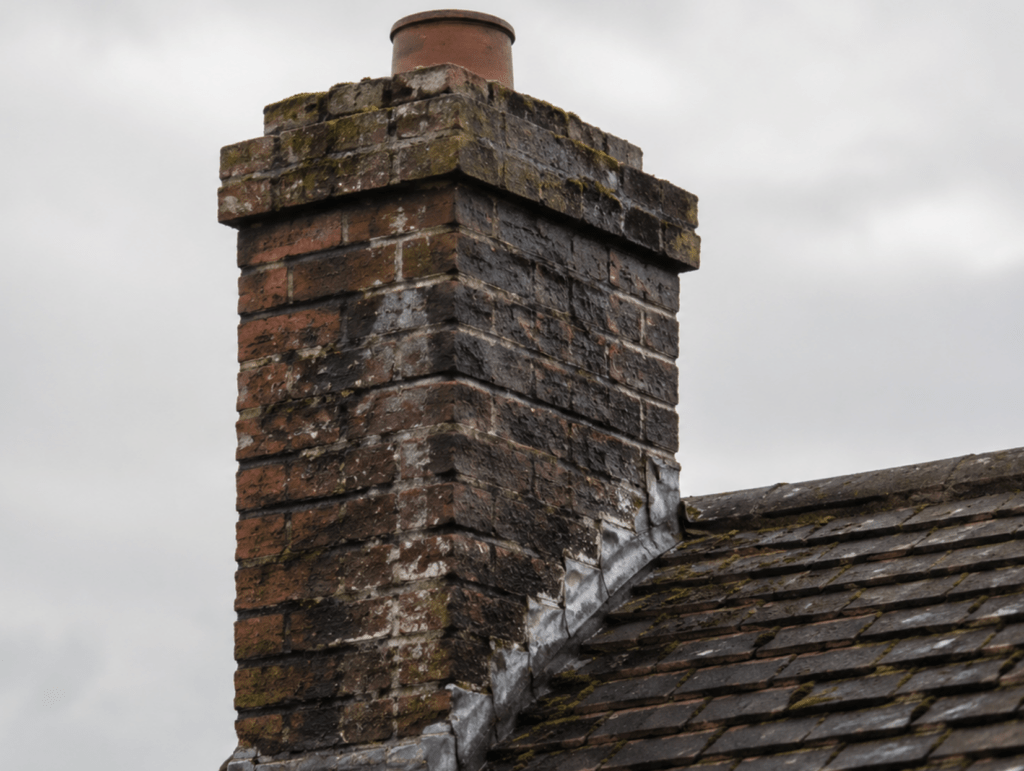
Damp patches and chimney breast staining
Damp is one of the most common chimney-related complaints in older UK homes. Because chimney stacks are exposed to the weather on all sides, even small defects can allow water in.
Common symptoms include:
Brown or yellow staining on the chimney breast, peeling paint or wallpaper, damp smells, salts appearing on plaster, staining around the fireplace opening, visible damp in the loft, or water marks after heavy rain.
Why it happens:
Water can enter through cracked flaunching, damaged chimney pots, failed flashing, porous brickwork, missing cowls, open unused flues, defective pointing or cracked render. In unused chimneys, condensation can also become a problem, especially when ventilation is poor.
How to resolve it:
The source of the water needs to be identified before internal redecoration begins. This may involve checking the chimney stack, lead flashing, flaunching, brickwork, pots and ventilation. External defects should be repaired first. Internally, old contaminated plaster may sometimes need to be removed and replaced with suitable materials once the chimney is dry. Simply painting over the stain rarely solves the problem.
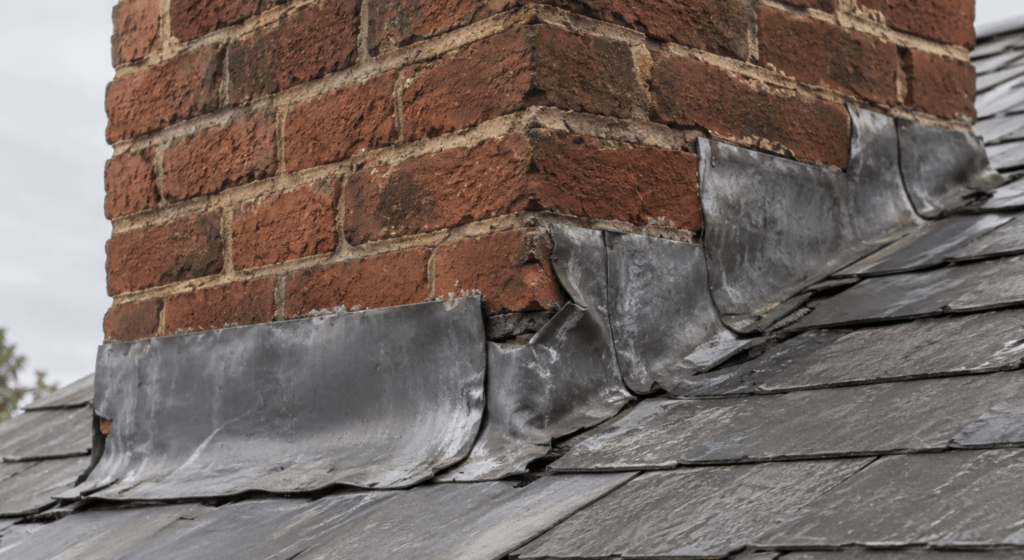
Failed flashing around the chimney
Lead flashing seals the joint between the chimney stack and the roof. When it fails, rainwater can enter the roof space and travel down into ceilings or chimney breasts.
Common symptoms include:
Damp patches near the chimney breast, water marks on ceilings close to the stack, leaks during heavy rain, damp timbers in the loft, or staining that appears worse after wind-driven rain.
Why it happens:
Flashing can lift, crack, corrode, split or pull away from the brickwork over time. Poor previous repairs, unsuitable sealants or storm damage can also cause problems.
How to resolve it:
A roofer or chimney specialist should inspect the flashing and surrounding roof covering. Repairs might involve re-dressing lead, replacing sections of flashing, repointing the chase where flashing enters the brickwork, or correcting poor previous work. Summer is a particularly sensible time for this because roof repairs are easier and safer to complete in dry, bright conditions.
Cracked flaunching and damaged chimney pots
Flaunching is the mortar bed at the top of the chimney stack that holds the chimney pots in place and sheds rainwater. When it cracks, water can enter the stack and pots may become unstable.
Common symptoms include:
Damp inside the chimney breast, visible cracks at the top of the stack, loose or leaning pots, pieces of mortar falling onto the roof or ground, and water entering the flue.
Why it happens:
Flaunching is exposed to constant weathering. Frost, rain, heat and age can cause it to crack or break away. Once cracks appear, water enters, freezes in cold weather and expands, making the damage worse.
How to resolve it:
Damaged flaunching should be repaired or replaced by a competent tradesperson. Loose pots should be made safe and reset if appropriate. Where a flue is no longer used, it may still need to be ventilated and protected from rain, rather than simply sealed completely.
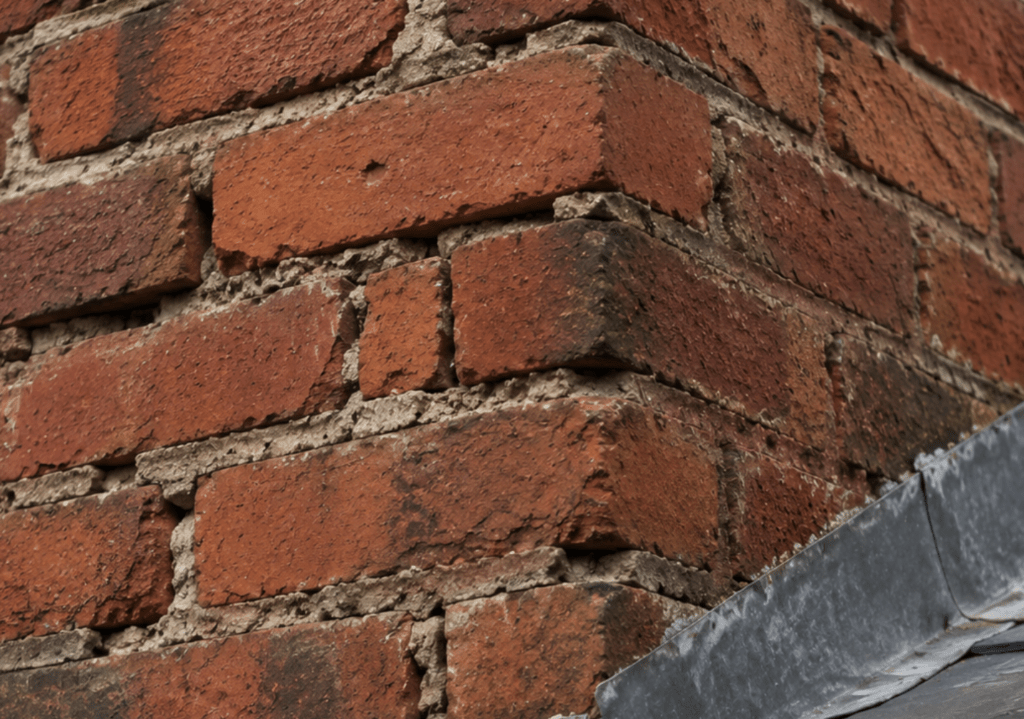
Spalling brickwork and failed pointing
Spalling occurs when the face of a brick flakes, crumbles or breaks away. Chimney stacks are especially vulnerable because they are highly exposed and often older than other parts of the roof structure.
Common symptoms include:
Crumbling bricks, loose mortar, pieces of brick or mortar on the roof, visible gaps in joints, leaning sections of stack, damp penetration and a generally weathered appearance.
Why it happens:
Rain enters cracks or porous masonry, then expands when it freezes. Over time, this damages the brick face and mortar joints. Inappropriate cement repairs can sometimes make older brickwork worse by trapping moisture.
How to resolve it:
Minor repointing may be enough if caught early. More serious damage may require brick replacement, partial rebuilding or stack reduction. The correct mortar matters, particularly on older properties. Summer is ideal for this work because masonry repairs need suitable weather and time to cure before winter frost returns.
Damaged or unsuitable flue liners
A flue liner protects the chimney structure and helps combustion gases travel safely out of the building. Liners can crack, corrode, degrade or be incorrectly sized for the appliance.
Common symptoms include:
Poor draw, smoke leakage, staining on chimney breasts, debris appearing in the fireplace, tar seepage, strong smells, failed smoke tests or concerns raised during sweeping.
Why it happens:
Older chimneys may have no liner, a damaged clay liner, or a liner unsuitable for a modern appliance. Stainless steel liners can also degrade if exposed to the wrong fuel, excessive condensation or corrosive deposits.
How to resolve it:
A professional inspection is needed. This may include a smoke test or CCTV survey. If the liner has failed or is unsuitable, relining may be required. This should be specified around the appliance, fuel type, chimney condition and building regulations. For gas appliances, work must be carried out by a suitably qualified Gas Safe registered engineer; the Gas Safe Register is the official list of businesses legally permitted to carry out gas work.
Chimney leaks and hidden roof space problems
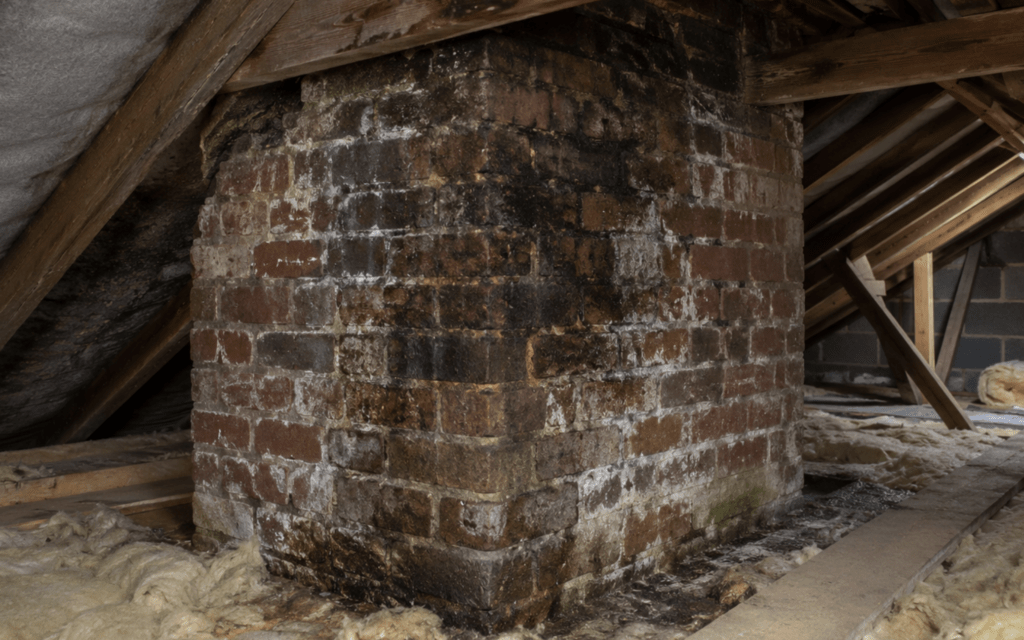
Not every chimney problem shows itself in the living room first. Sometimes the earliest signs are in the loft.
Common symptoms include:
Damp rafters near the chimney, white salts on brickwork in the loft, staining on the stack, musty smells, daylight visible around the chimney area, or insulation that feels damp.
Why it happens:
Leaks may come from flashing, cracked masonry, condensation, missing ventilation or rain entering an open pot. Because lofts are not always checked regularly, the damage can build up unnoticed.
How to resolve it:
Inspect the loft safely from inside where possible, especially after heavy rain. Any signs of moisture around the stack should be investigated before the heating season. External roof work should be carried out by a competent professional, not from ladders without proper access equipment.
Smoke and fumes entering the room:
Smoke entering the home is never something to ignore. It may be caused by a simple issue, such as a cold flue at lighting, but it can also indicate a blockage, poor ventilation, appliance fault or flue failure.
Common symptoms include:
Visible smoke in the room, eye irritation, smoky smells, headaches, nausea, dizziness, soot marks around the appliance or a carbon monoxide alarm sounding.
Why it happens:
Possible causes include blocked flues, poor draw, inadequate air supply, downdraught, incorrect appliance use, damaged seals, faulty installation or a flue/appliance mismatch.
How to resolve it:
Stop using the appliance until the cause has been identified. If a carbon monoxide alarm sounds or anyone feels unwell, ventilate the property, leave the room and seek urgent professional advice. HETAS advises fitting an audible carbon monoxide alarm that conforms to BS EN 50291 and notes that alarms should not be treated as a substitute for regular appliance and chimney maintenance. In rented homes in England, carbon monoxide alarms are required in rooms used as living accommodation that contain a fixed combustion appliance, excluding gas cookers.
Problems caused by burning the wrong fuel
The appliance, chimney and fuel need to be compatible. Burning unsuitable fuel can cause smoke, deposits, poor performance and unnecessary emissions.
Common symptoms include:
Excessive smoke, blackened stove glass, tar build-up, unpleasant smells, poor heat output, rapid soot accumulation and complaints from neighbours.
Why it happens:
Wet logs, treated timber, painted wood, household waste and unsuitable solid fuels can all create problems. In smoke control areas, homeowners must follow specific rules on what they can burn and which appliances can be used.
How to resolve it:
Use the correct fuel for the appliance. For wood-burning stoves, that usually means dry, seasoned or kiln-dried logs with a moisture content of 20% or less. Avoid burning waste wood, treated timber or anything not recommended by the appliance manufacturer. If you live in a smoke control area, check the rules before choosing fuel or replacing an appliance.
Why the summer is the best time of year to sort these issues
Chimney problems often become obvious in autumn and winter, but summer is usually the best time to fix them.
Firstly, the weather is more suitable. Roof work, repointing, flashing repairs, flaunching and masonry repairs are easier to complete in dry, settled conditions. Mortar and exterior materials also benefit from suitable temperatures and fewer interruptions from rain or frost.
Secondly, access is often easier. Longer daylight hours give roofers, sweeps and installers more time to inspect, repair and test. Homeowners can also look for symptoms without waiting until the fire is needed every evening.
Thirdly, there is less pressure. Once temperatures fall, demand rises quickly. Chimney sweeps, stove installers, gas engineers and fireplace showrooms become busier as homeowners rush to prepare for winter. Booking work in summer gives you more time to compare advice, choose the right solution and avoid making decisions in a cold house.
Finally, summer preparation improves safety and comfort. A swept chimney, dry fuel, sound flashing, secure chimney pot, working carbon monoxide alarm and correctly serviced appliance all make the first fire of the season more reassuring. You are not simply preparing for warmth; you are preparing for safe, efficient and reliable use.
A summer chimney checklist:
Before the colder weather arrives, homeowners can use the warmer months to run through a sensible checklist:
1. Have the chimney swept before the heating season, especially if burning wood or solid fuel.
2. Check for damp patches on chimney breasts, ceilings and loft brickwork.
3. Look from ground level for leaning pots, crumbling mortar, damaged brickwork or plant growth.
4. Book roof or chimney repairs while weather conditions are favourable.
5. Make sure any cowl, bird guard or terminal is suitable for the appliance and fuel.
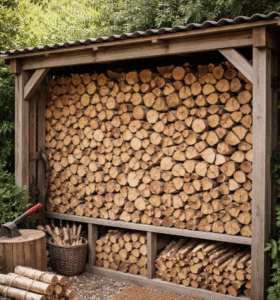
6. Check that logs are dry, stored off the ground and protected from rain.
7. Test carbon monoxide alarms and replace expired units.
8. Arrange a gas fire service with a Gas Safe registered engineer where applicable.
9 Ask a qualified installer to inspect any appliance or flue that has not been used for a long time.
A chimney is more than a decorative feature. It is part of a working heating system, and when something is wrong, the symptoms should never be ignored. Smoke entering the room, damp staining, poor draw, loose brickwork, tar smells or falling debris are all signs that the chimney needs attention.
By using the summer months wisely, UK homeowners can deal with these issues before they become urgent. Sweeping, servicing, repairing and inspecting in warm weather means the home is ready when autumn arrives. Then, when the first cold evening comes, the fire or stove can be enjoyed for what it should be: a safe, efficient and comforting centrepiece of the home.