With energy prices rising amid ongoing instability in the Middle East, many households are looking for ways to become more self-sufficient and less exposed to volatile energy markets.
One increasingly popular option is installing a wood-burning stove.
Although we’re heading into spring, unless you already own a stove, this is an ideal time to start researching and planning a stove installation.
Demand, installers, and firewood supplies tend to tighten as autumn approaches, so getting ahead now can save both time and money later.
In this article, we explore ten different places you can source firewood from if you want to maximise the independence and practical benefits that come with heating your home using wood.
1. Local Firewood Suppliers
Look for businesses that specialise in supplying firewood. These suppliers typically sell seasoned or split logs that are ready to burn or store for later use, making them a convenient option if you want consistent, stove-ready fuel. Many also offer local delivery, which can save significant time and effort compared with sourcing and transporting wood yourself.
Garden centres and plant nurseries are another reliable place to check. They often stock firewood during the colder months, including kiln-dried logs, which are particularly well-suited for wood-burning stoves and fireplaces because of their low moisture content. If you buy outside peak winter demand, such as in spring or early summer, you may also find better prices and wider availability.
2. Online Marketplaces
Online marketplaces can also be a useful place to find local firewood suppliers. Platforms such as Gumtree, eBay, and Facebook Marketplace often feature listings from individuals and small businesses selling logs in your area, sometimes at competitive prices.
There are also specialist wood-fuel websites that sell sustainably sourced firewood. While these suppliers may charge more, the wood is usually properly seasoned or kiln-dried, meaning better quality, cleaner burning, and greater efficiency in your stove.
For convenience, retailers like Amazon also sell bundled or kiln-dried firewood that can be ordered online and delivered directly to your door.
3. Local Farms and Woodland Owners
Some farms sell firewood as a by-product of forestry work, hedgerow management, or general land maintenance. Buying directly from a local farm can often be a cost-effective way to source logs while supporting nearby businesses.
It can also be worth approaching local landowners or small estates, as they may occasionally sell surplus firewood from their properties. If you are hoping to collect wood yourself, always make sure you seek permission first and agree on what can be taken.
4. Forestry Commissions and Woodland Management Organisations
Some forestry organisations allow individuals to collect firewood from managed woodland areas. In most cases, you’ll need to obtain a permit or pay a small fee before collecting wood.
For example, organisations such as Forestry England and some local councils occasionally offer permits or sell logs from fallen or cleared trees. This can be an affordable way to source firewood while also helping woodland managers clear storm-damaged or surplus timber.
5. Tree Surgeons and Arborists
Tree surgeons and arborists often have surplus wood left over from pruning jobs or tree removals. Many are willing to sell logs at a reasonable price, and some may even give them away simply to avoid the cost and hassle of disposal.
However, freshly cut wood is usually green and has a high moisture content, so it needs to be properly seasoned before burning. Storing the logs in a dry, well-ventilated area for 6-12 months will help ensure they burn efficiently and safely in your stove.
6. Recycling Centres and Landfills
Some recycling centres allow residents to take away unwanted wood, including tree trimmings or untreated offcuts from construction projects. This can be a convenient and low-cost way to source firewood locally.
However, it’s important to be selective about what you take. Avoid painted, treated, or chemically treated wood, as burning these materials can release harmful fumes and damage your stove or chimney. Always choose clean, natural wood that is suitable for burning.
7. Self-sourced Wood
Your Own Property: If you have trees on your land, you may be able to cut and split your own firewood. This can be one of the most cost-effective ways to build up a supply of logs. However, as mentioned, freshly cut wood contains a lot of moisture, so it should be properly seasoned for at least 6–12 months before burning.
Storm-Fallen Trees: After strong winds or storms, fallen branches and damaged trees are sometimes available for collection. This can be a useful source of firewood, but always make sure you have the landowner’s permission before taking any wood if it isn’t on your own property.

8. Bulk Suppliers
Wholesale Firewood Suppliers: If you burn large amounts of firewood, buying logs in bulk from a wholesale supplier can be a cost-effective option. Bulk deliveries often work out cheaper per cubic metre than smaller loads.
When purchasing in quantity, make sure the wood is properly seasoned or kiln-dried. Dry logs burn more efficiently, produce less smoke, and help reduce the risk of creosote build-up in your chimney or flue.
9. Local Initiatives:
Some communities offer firewood from sustainably managed woodlands.
10. Camping and Recreational Stores
Ideal for small amounts, camping stores like Go Outdoors offer bundles of dry firewood. Often more expensive but convenient for occasional use.
It’s essential to get the right firewood. Don’t rush into buying if you’re unsure of its quality, and always burn seasoned wood. Here are four key tips:
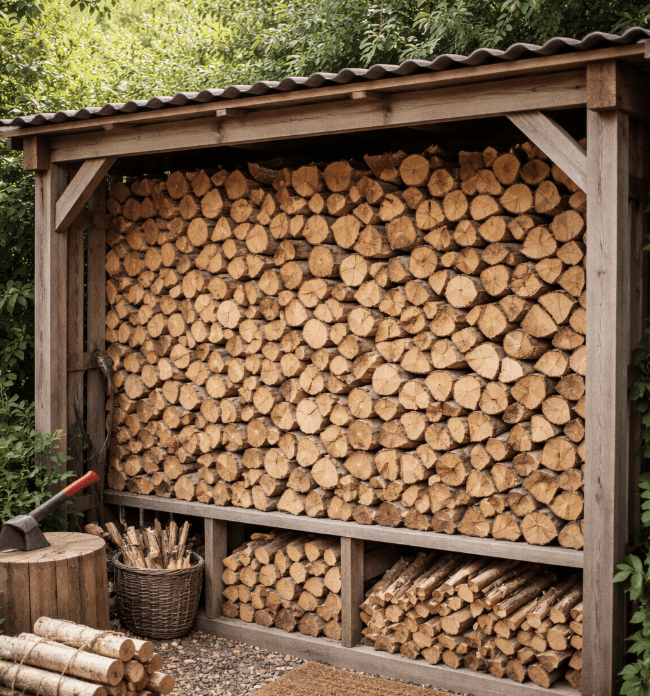
Seasoned Wood: Look for wood that has been dried for at least 6-12 months. It should have cracks on the ends and feel lighter than green wood.
Hardwoods vs. Softwoods: Hardwoods (e.g., oak, ash) burn longer and hotter, while softwoods (e.g., pine) ignite quickly but burn faster.
Check Moisture Content: Aim for wood with less than 20% moisture. Use a moisture meter if in doubt.
Local Regulations: In some areas, there are restrictions on collecting wood or burning unseasoned logs.
Finding a reliable source of firewood doesn’t have to be difficult once you know where to look. From local suppliers and farms to forestry organisations and even your own property, there are many ways to secure a steady supply of logs. The key is to ensure the wood is properly seasoned, legally sourced, and suitable for burning, as this will help your stove perform efficiently and safely. By planning ahead and exploring a few of these options, you can enjoy the warmth, comfort, and independence that comes with burning wood.